
Artifacts
Artifact Index
Filter by era, artifact type, brand, and source publication.
Four jars in seven weeks: a Crystalvac condition series
One-pound H and H Blend jars at every stage of survival — total label loss, no label at all, a reassembled composite, and near-pristine. Their bases date them to 1936–1938, which rewrites what we thought we knew about when these jars were made.
Master Chef Is Still on the Shelf — and Continental's Fingerprints Are on the Can
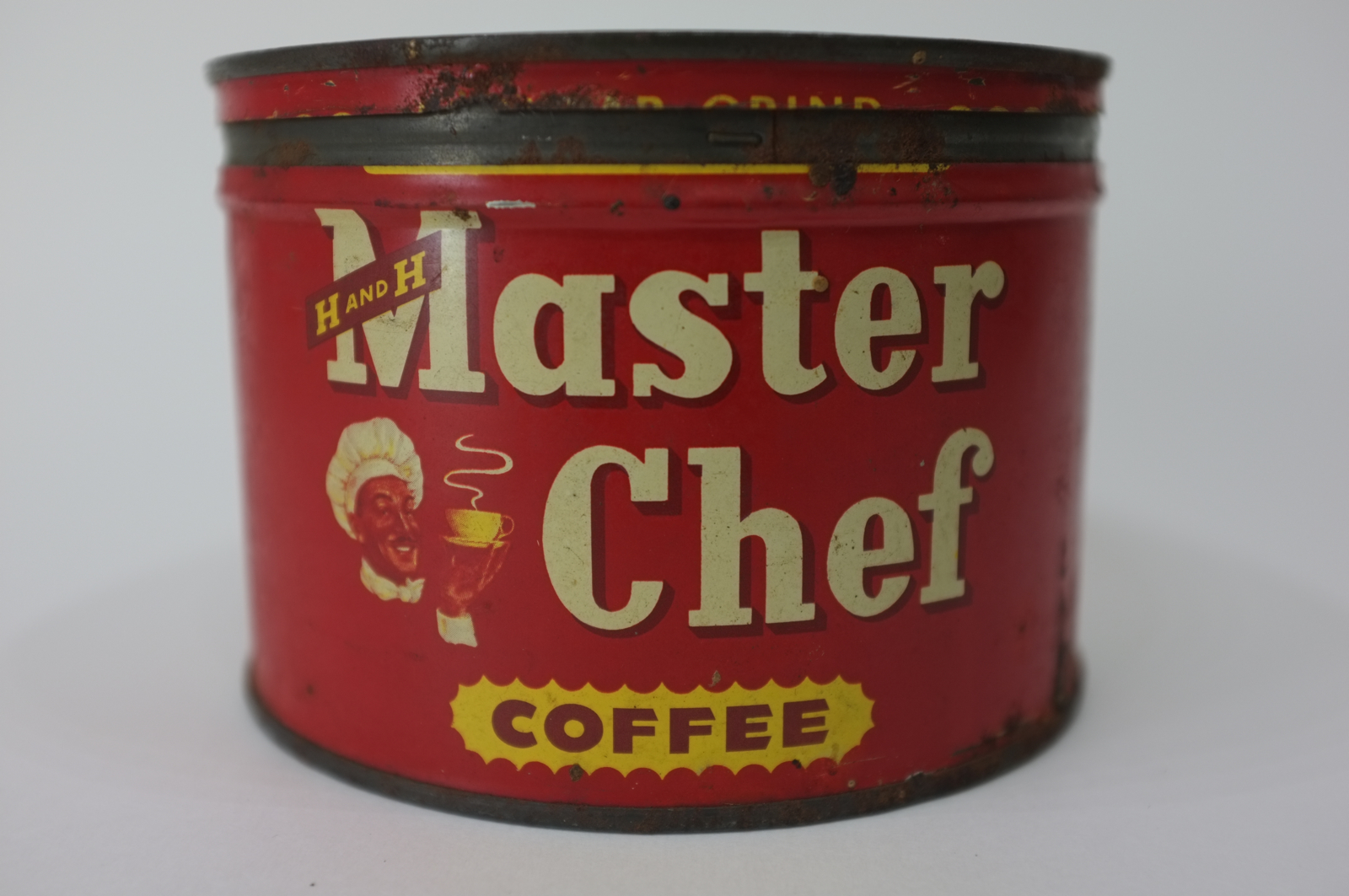
A $9.89 supermarket coffee can turns out to carry the far end of the H&H Master Chef line: a wordmark registered by the company that bought Hoffmann-Hayman in 1962.
Skyline of San Antonio — a Summerville Photo Linen Postcard
A linen-era 'Skyline of San Antonio' postcard credited to Summerville Photo — the same San Antonio studio behind H&H's 1929 employee billboard panorama.
The Venice of Texas — a San Antonio River Linen Postcard
A Curteich linen postcard of the San Antonio River, published by Weiner News Co. — period River Walk context for the city H&H called home.
Antique Arms Annual, 1st Edition — S.P. Stevens, Publisher; R.L. Wilson, Editor (TGCA, 1971)
The first edition of the TGCA's Antique Arms Annual, published by S.P. Stevens of San Antonio — the same Stevens documented as the probable H&H Coffee billboard painter — confirming his role as a production figure in Texas firearms publishing, not just a section photographer.
The Menger Family Genealogy Page
A photocopy of the Menger family tree — the document that names Minnie Menger, who married the company founder, and her brothers Gus and R.W. who ran Hoffmann Hayman Coffee for half a century.
Hoffman Bros & Co., Columbus, Ohio — the namesake that imported
A cream lithographed coffee canister from a Columbus importing house one letter away from our name — and the second Hoffman Bros. object in the collection.
The Tin Can Book — Hyla M. Clark: The Can as Collectible Art, Advertising Art & High Art
A collector's reference on lithographed tin containers — the design and advertising context for the H&H coffee tin collection.
The Canning Clan — Earl Chapin May, 1937: A History of the American Canning Industry Published the Year H&H Went Vacuum-Can
Earl Chapin May's 1937 Macmillan history of the American canning industry, published the same year H&H installed its vacuum-can closing machine and the Three Rivers Glass Company dissolved — a reference for the industrial transition H&H was living through.
The World Atlas of Coffee, 3rd Edition — James Hoffmann
The standard reference on coffee origins and trade — foundational context for the supply chains and sourcing geography that fed H&H's San Antonio roastery through the mid-20th century.
How To Make The Best Coffee At Home — James Hoffmann
The contemporary specialty preparation reference that provides the technical baseline for reading H&H's freshness-first messaging against the longer arc of American coffee culture.
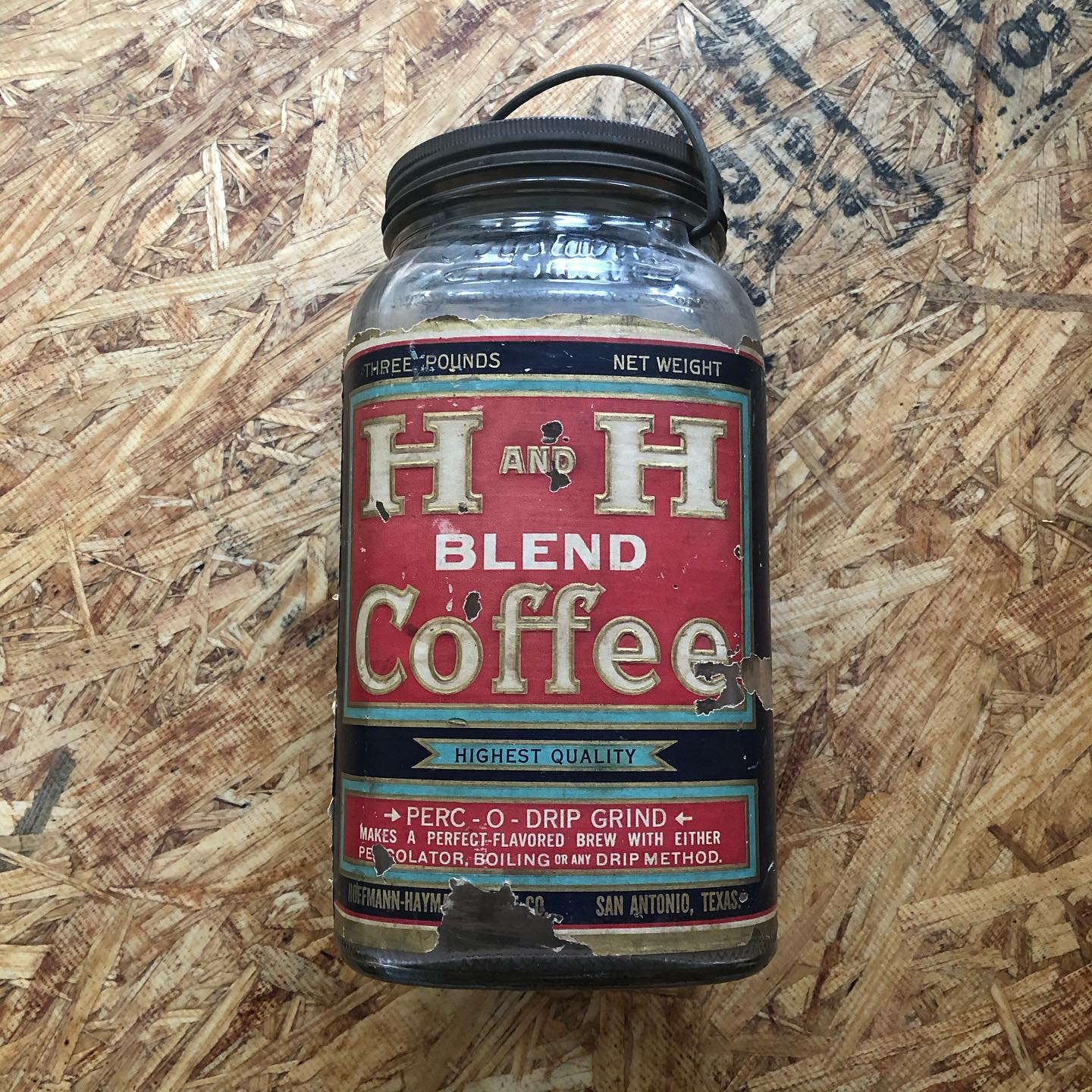
H and H Coffee Three-Pound Square Glass Jar — Regular Grind, Red Lid, Paper Label
A three-pound Crystalvac square jar with the original red painted metal lid and a paper label retaining the full H and H typography — the first labeled three-pound example in the collection.
American Can Company 1934 Trade Ad — Closing Machine, Factory Floor, 'Getting Things Off on the Right Foot'
A 1934 American Can Company trade print ad showing a Canco closing machine on the factory floor — the machinery class H and H would install for vacuum-can packaging three years later.
Huntley Mfg. Co. Monitor Spare Part Catalog — Peanut Cleaning, Shelling and Grading (Silver Creek Era)
A Monitor spare parts catalog from the Huntley Silver Creek factory, cross-referenced to Catalog No. 55 — one of two machinery catalogs from a single eBay lot.
Huntley Manufacturing Co. Monitor Peanut Cleaning, Shelling, Grading and Roasting Machinery — Catalog No. 69
Monitor Catalog No. 69, covering peanut-cleaning and roasting machinery from Huntley Manufacturing — the same equipment family as H and H's coffee roasters, from the same Silver Creek factory.
Huntley Mfg. Co. Monitor Coffee Roasting, Cooling and Stoning Machinery — Supplementary to Catalogue No. 64
A Monitor coffee-roasting machinery supplement from Huntley's Silver Creek era, covering the Four-Bag Model, B Style Self-Contained roaster, Steel Cut Granulator, and Sample Roaster — the equipment types H and H operated.
Huntley Manufacturing Co. Monitor Coffee Machinery Catalog No. 66 — Brocton Era Roasters and Coolers
The Brocton-period edition of the Monitor Coffee Machinery catalog from Huntley Manufacturing — the machinery maker whose roasters are documented at H and H's 1923 Burnett Street plant.
Huntley Mfg. Co. Monitor Coffee Grinding and Blending Machinery — Brocton Era Catalog
The Monitor grinding and blending catalog from Huntley's Brocton period — the downstream equipment class that produced H and H's Steel Cut, Regular Grind, and Drip Grind product distinctions.
Old Plantation Steel Cut Coffee — A Second Simpson & Doeller Tin Enters the Reference Set
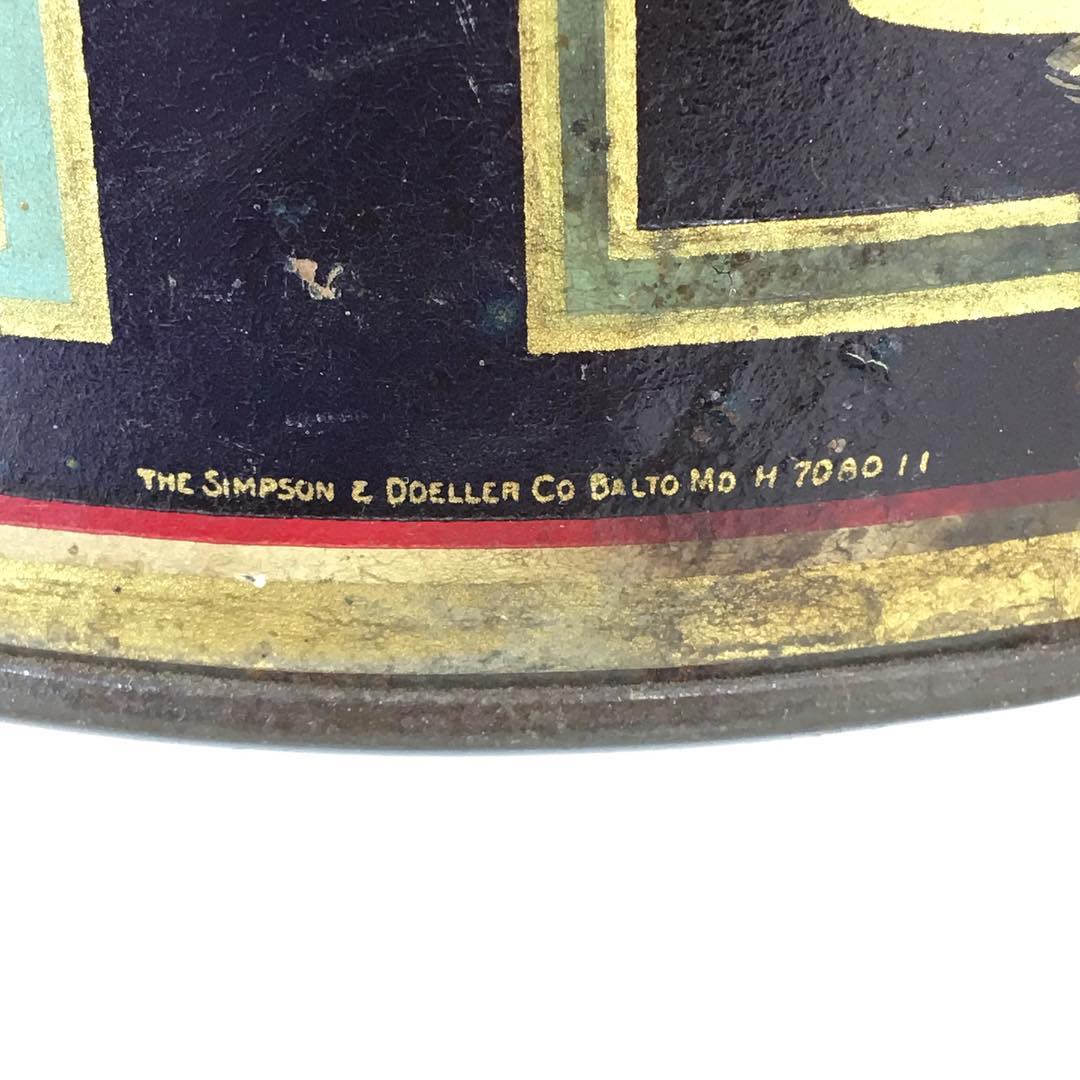
Baltimore Merchants Coffee Co. one-pound 'Old Plantation' tin with the THE SIMPSON & DOELLER CO BALTO MD maker's mark — comparandum widening the evidence base for the lithography house that also produced H and H Blend tins.
A Two-Pound Master Chef Pair Bracketing Two Label Generations
Two-tin lot of 2 LBS NET Master Chef keywind cans — and a small surprise once tin #2 was photographed: the lot brackets two consecutive Master Chef label generations (c.1962+ block-serif mid-century redesign and the earlier white-script classic keywind) rather than duplicating a single variant.
Joy-Cup Brand Coffee slip-lid tin
Baltimore-area Joy-Cup one-pound slip-lid tin—Simpson & Doeller’s city—with a Sam Houston–like portrait roundel layout; in-hand photo, eBay WebP set, and order PDF.
Bolner's Fiesta Brand — a grinder from closing Hoffmann-Hayman (reported 1971)
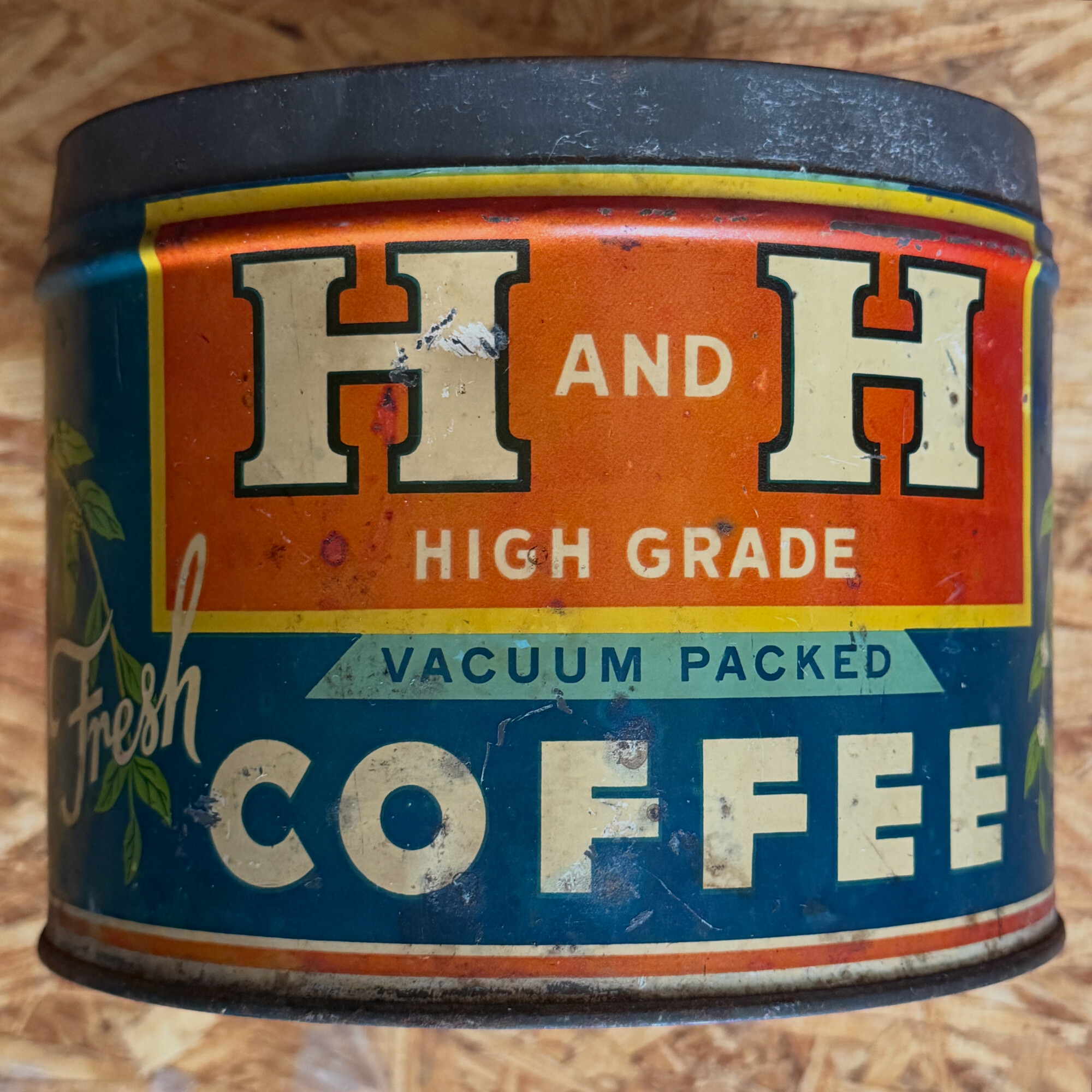
A Clean Second Example of the H and H High Grade Three-Pound Tin
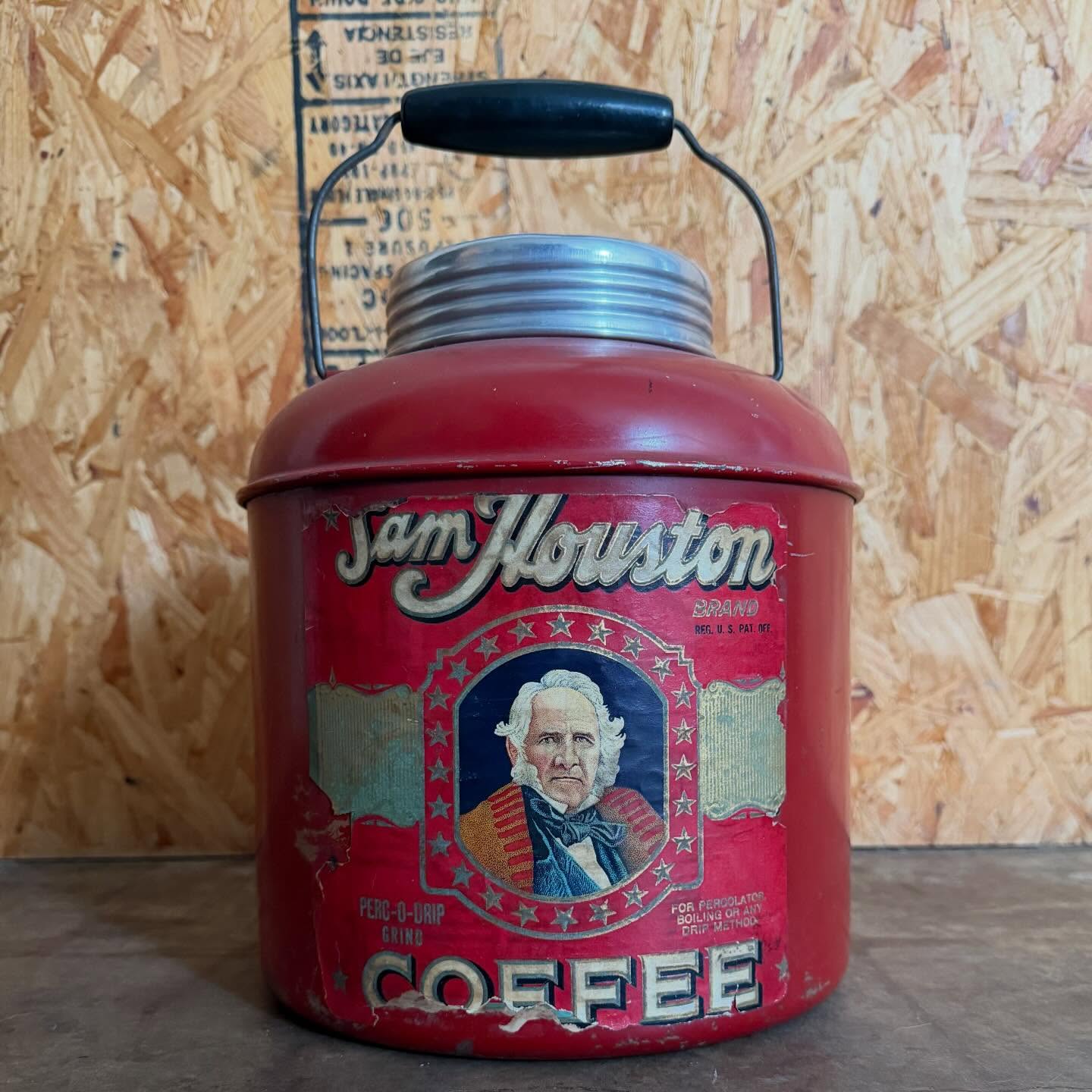
Sam Houston Coffee Branded Insulated Jug
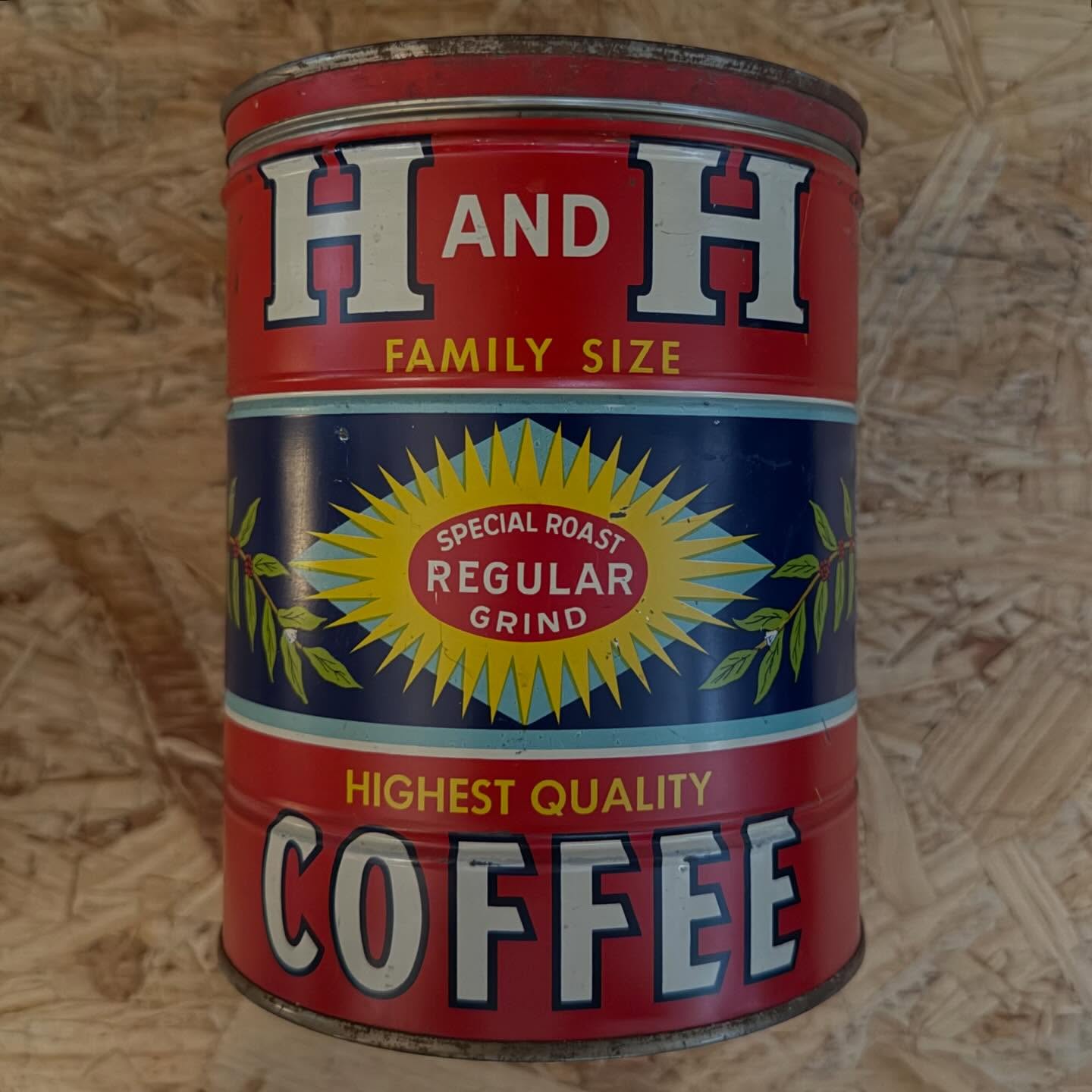
H and H Family Size Keywind Tin with Matching Top
A Second, Clean Example of the Founding H and H Coffee Keywind Tin
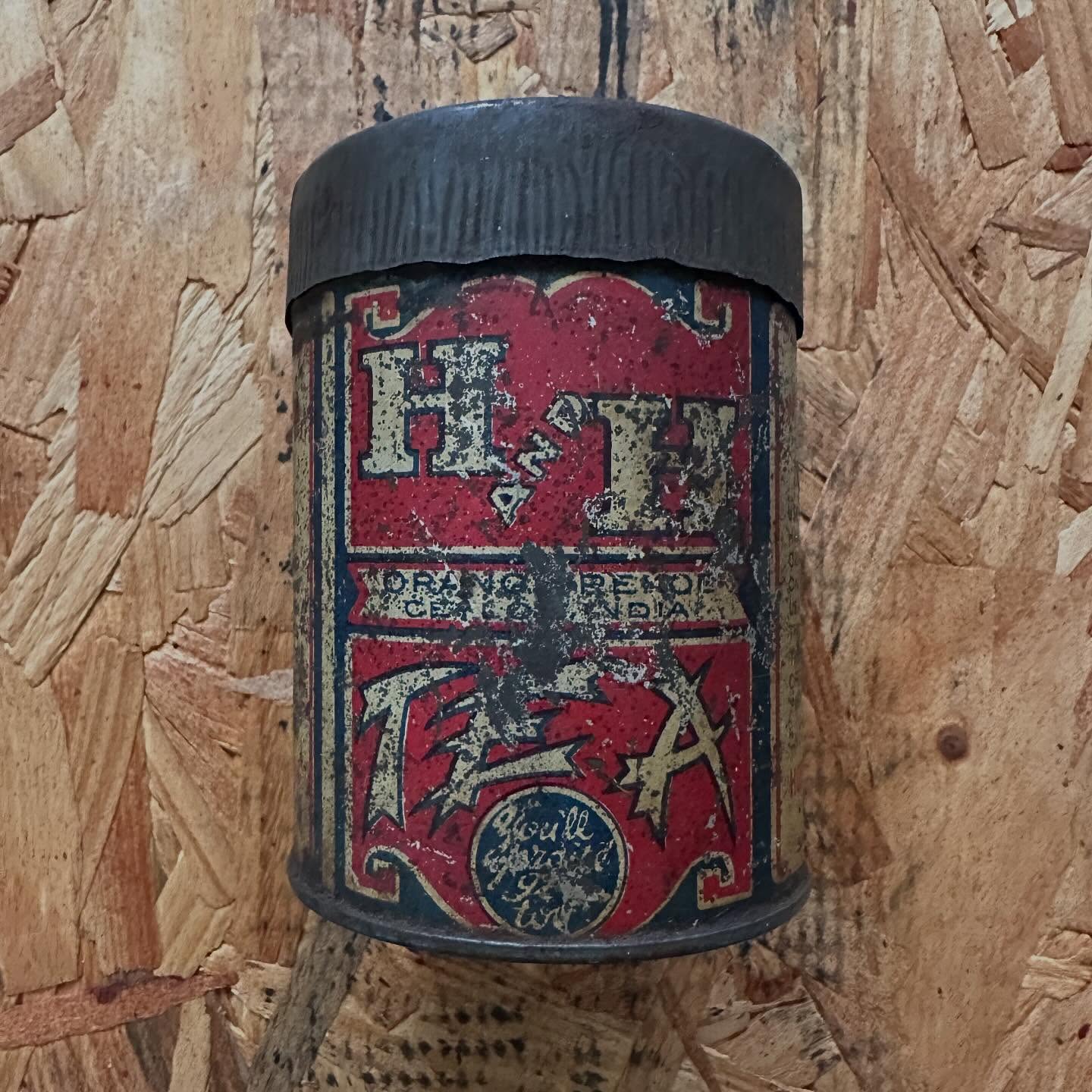
Early H and H Tea Tin
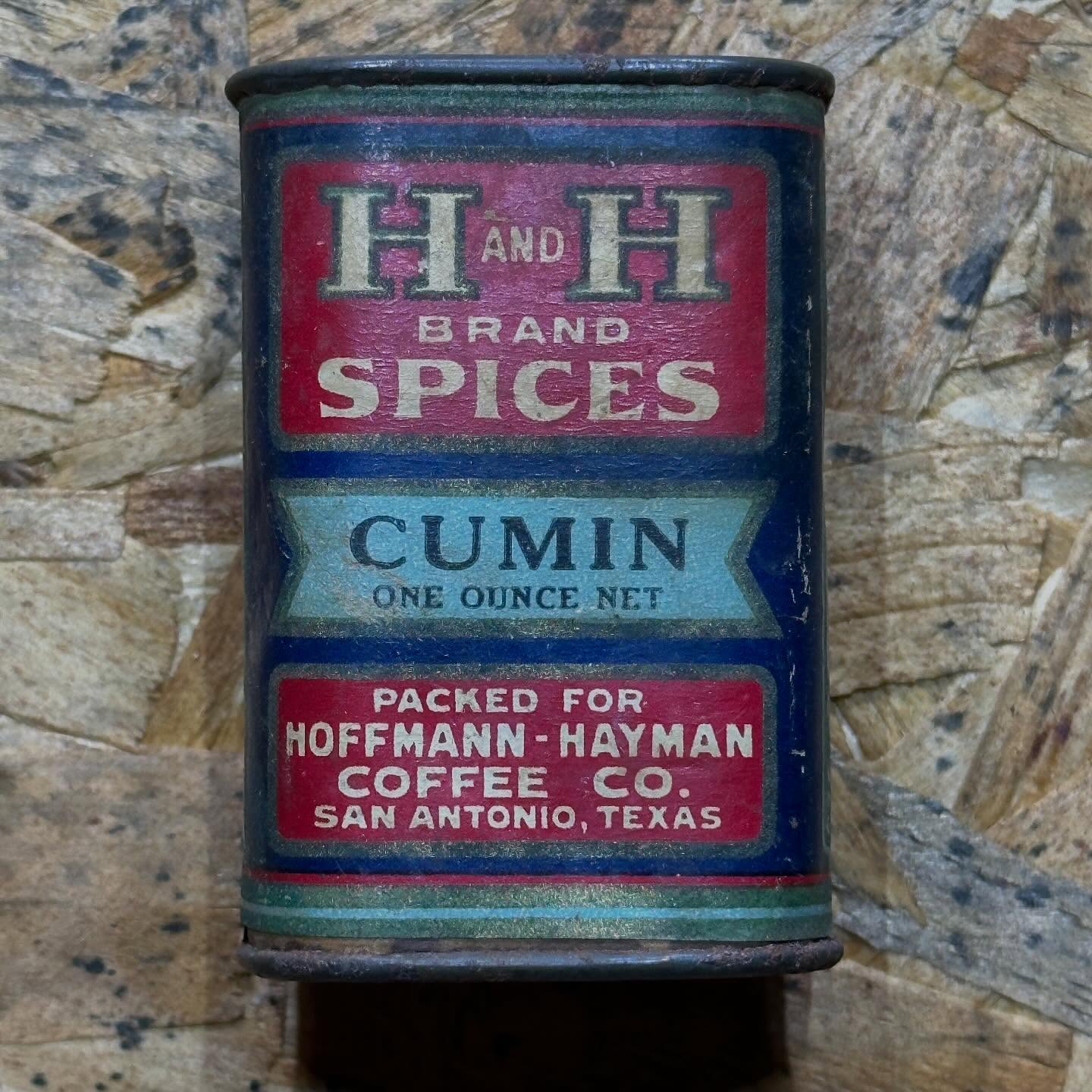
H and H Spices Cumin, 1 Ounce
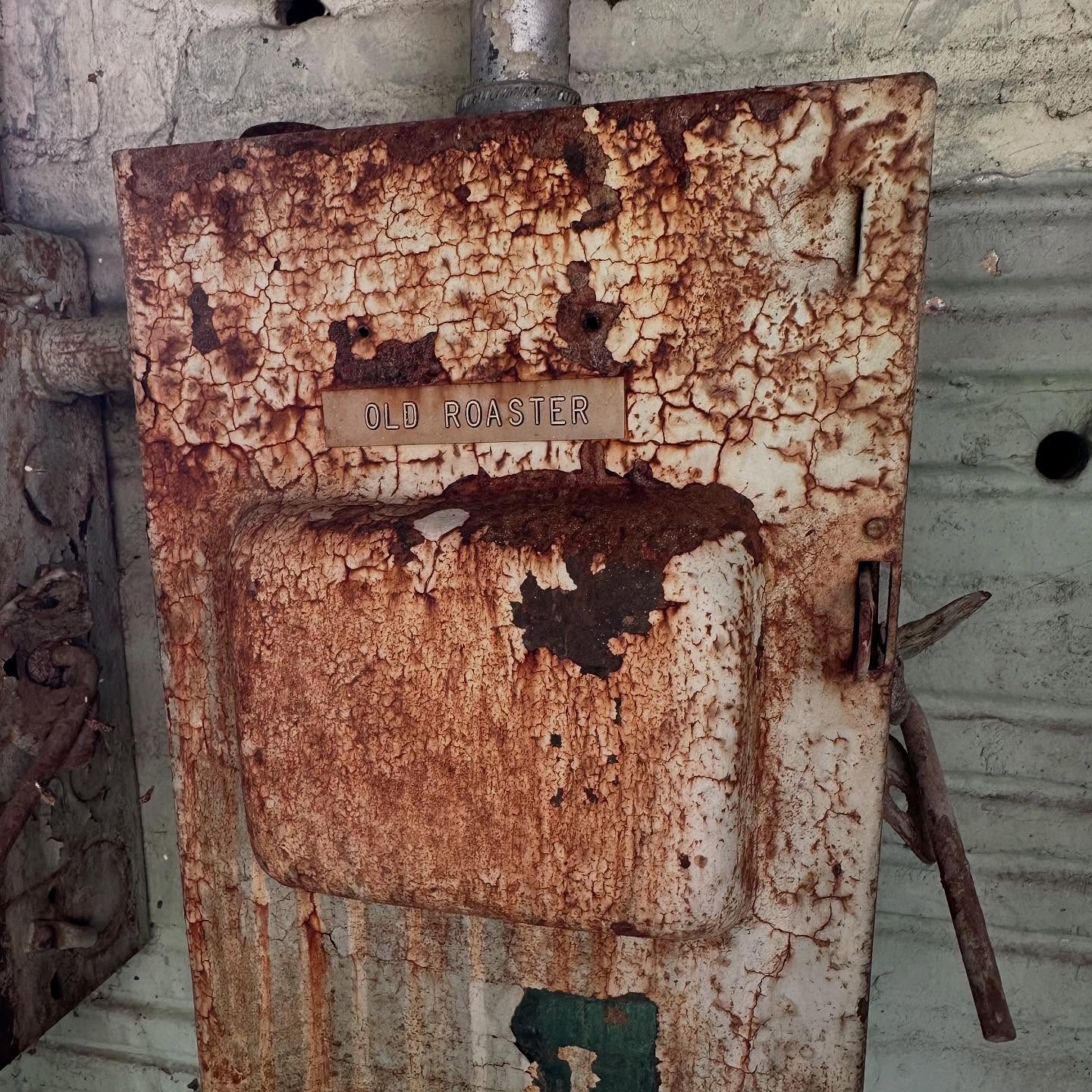
Old Roaster Switch at the H and H Coffee Factory
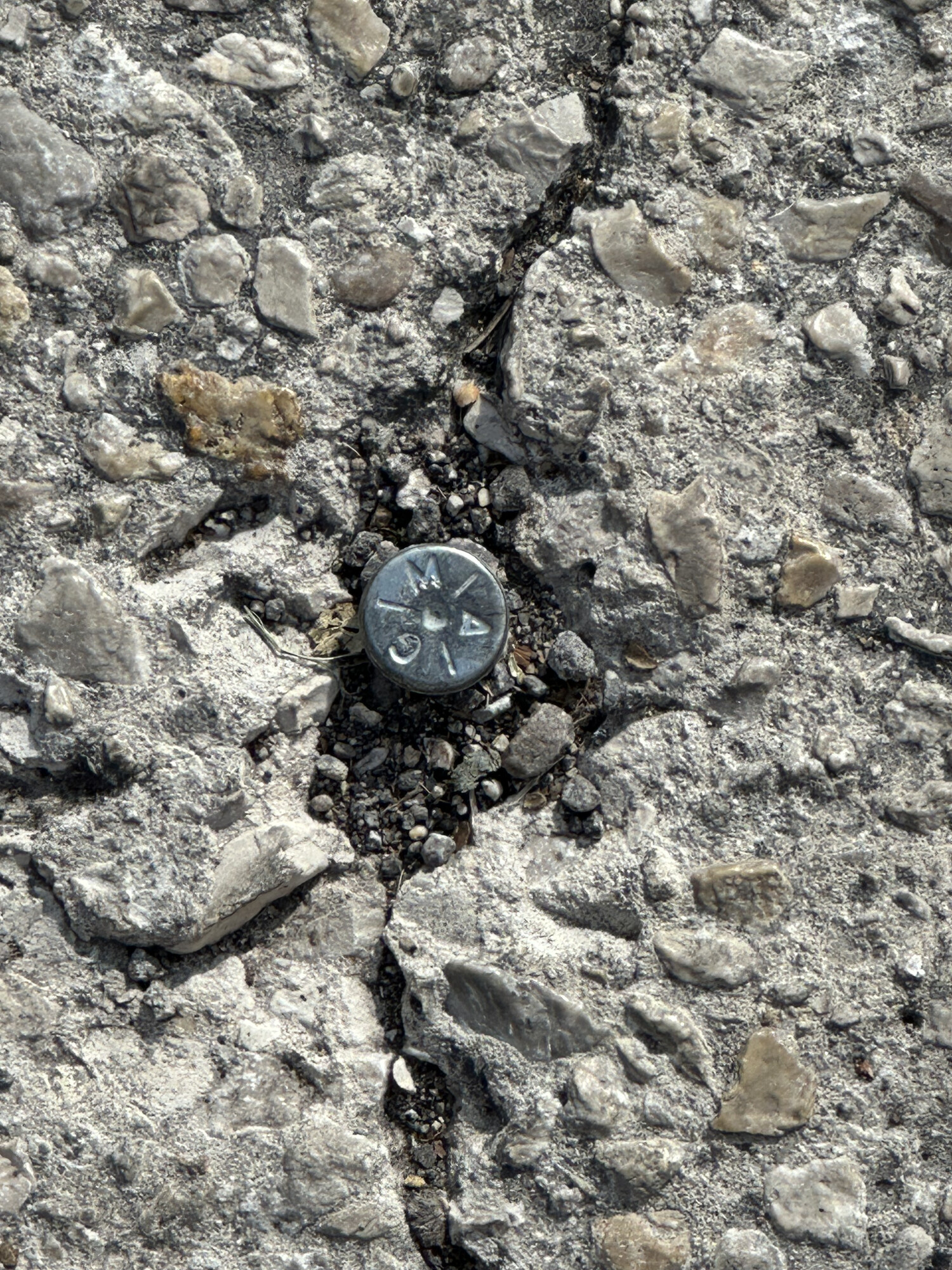
A 'G — M — A' Surveyor's Marker in Delaware Street, in Front of the Factory's Entry Gate
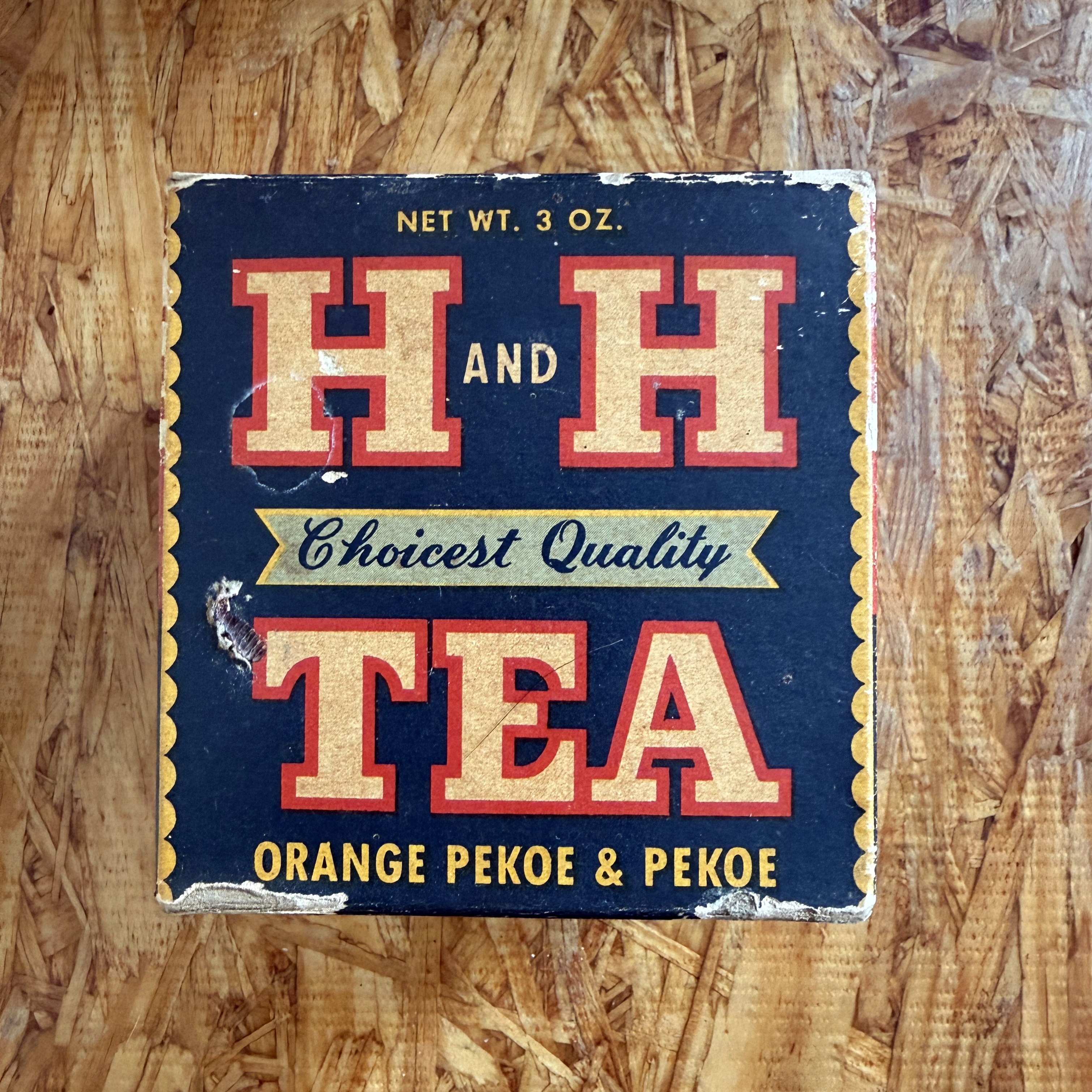
H and H Tea Box (Sealed, 3 oz)
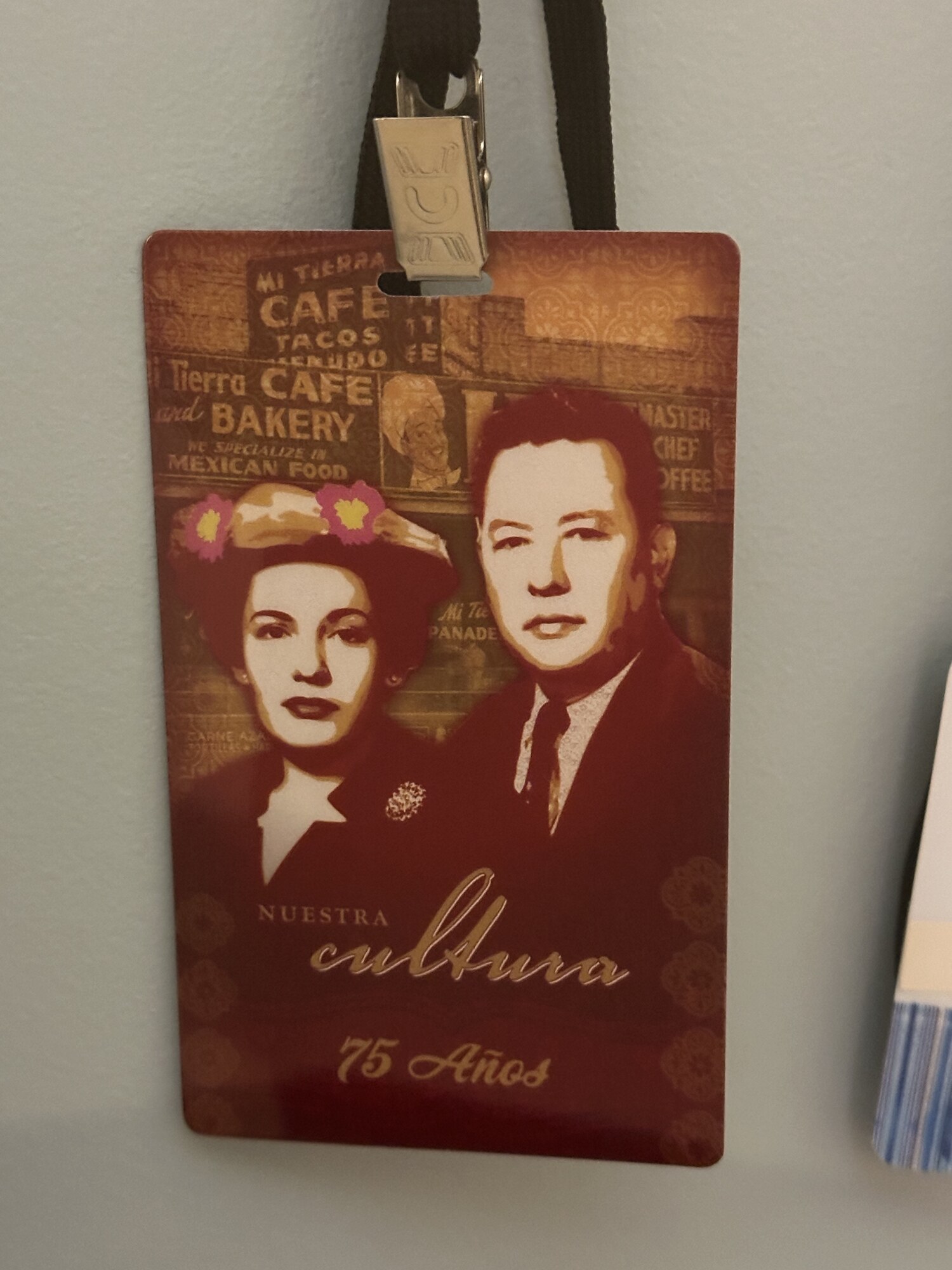
Al Rendón's 'Nuestra Cultura · 75 Años' Press Pass at the Witte — A Master Chef Coffee Sign in the Backdrop
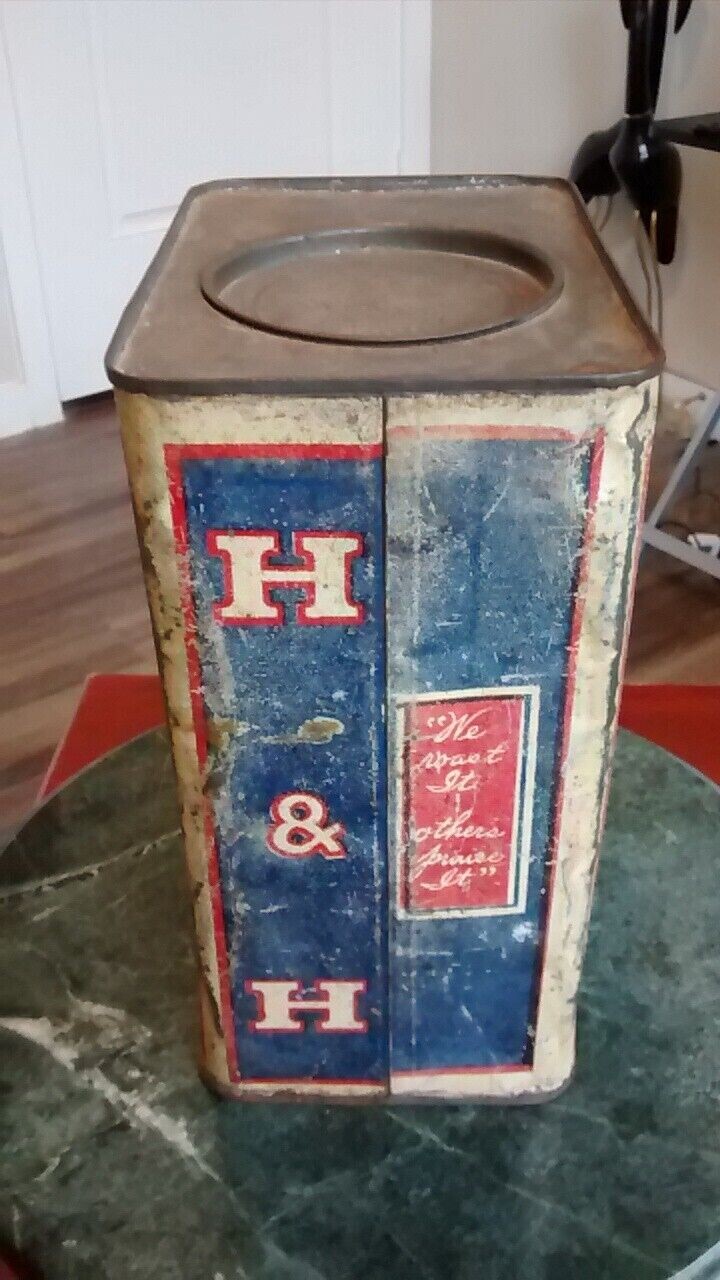
A Large Bulk-Size H and H Blend Coffee Tin — Same Early-1920s Slogan, Bigger Format
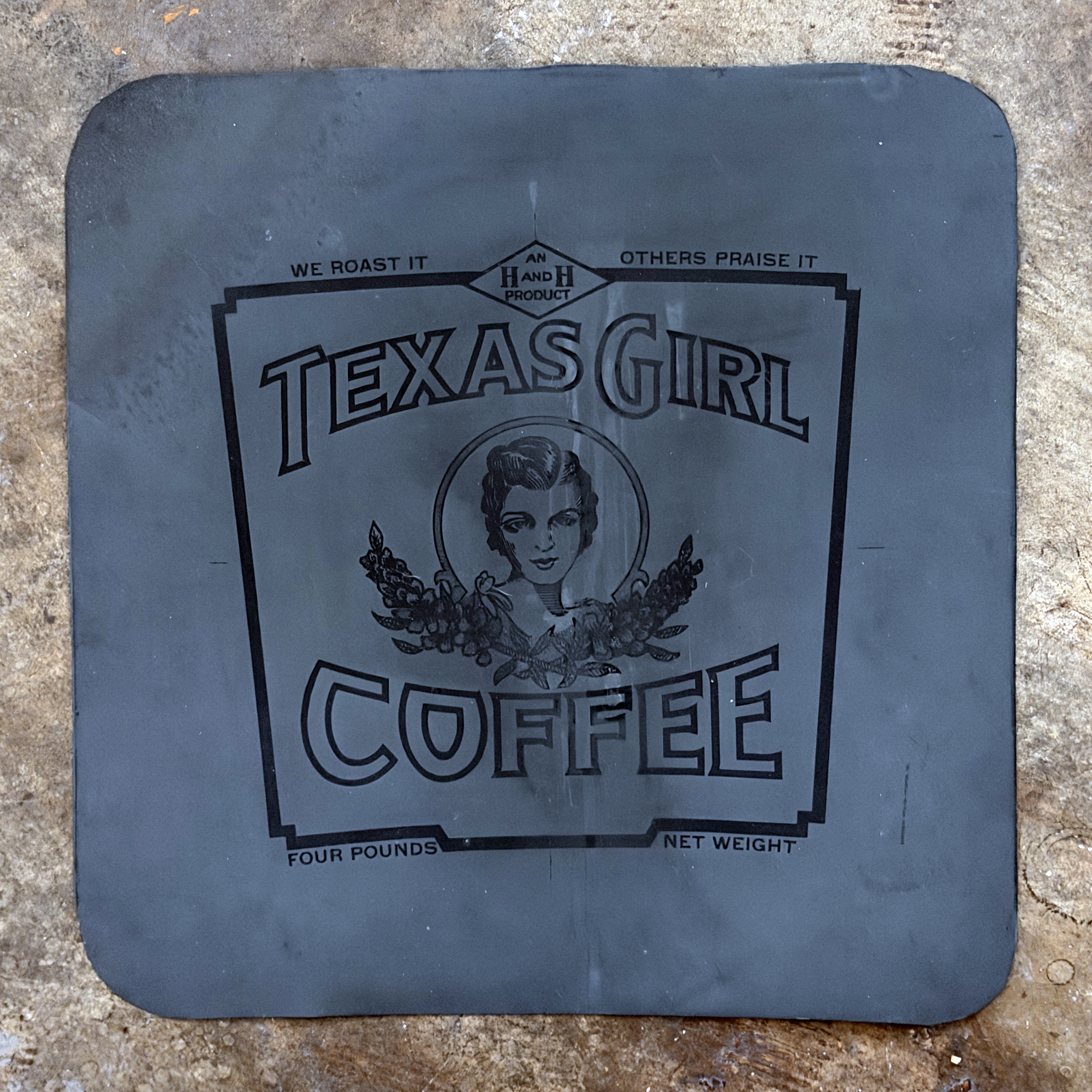
Texas Girl Coffee metal advertising sign
Wilhelmina "Minnie" Menger Hoffmann — International Women's Day
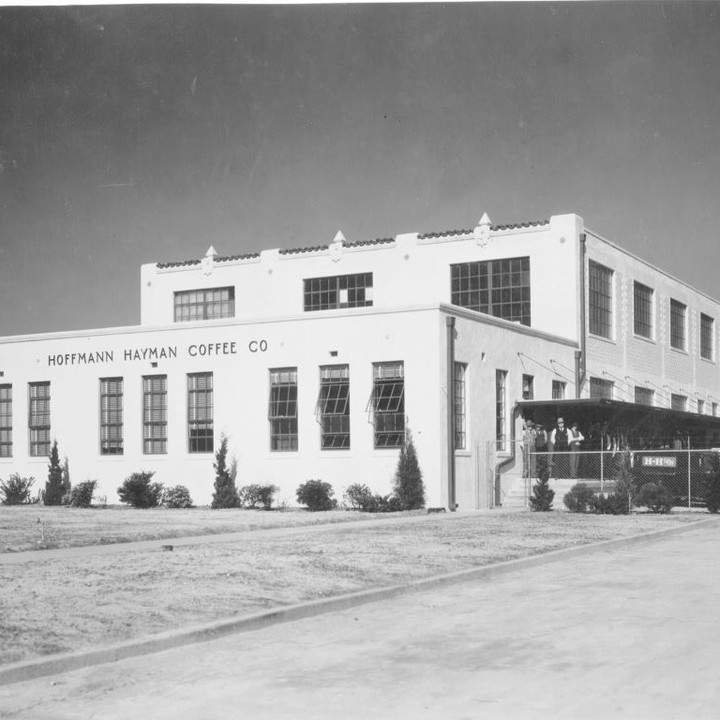
H and H Coffee Porcelain Sign on a South Texas Tejano General-Store Porch (ca. 1942)
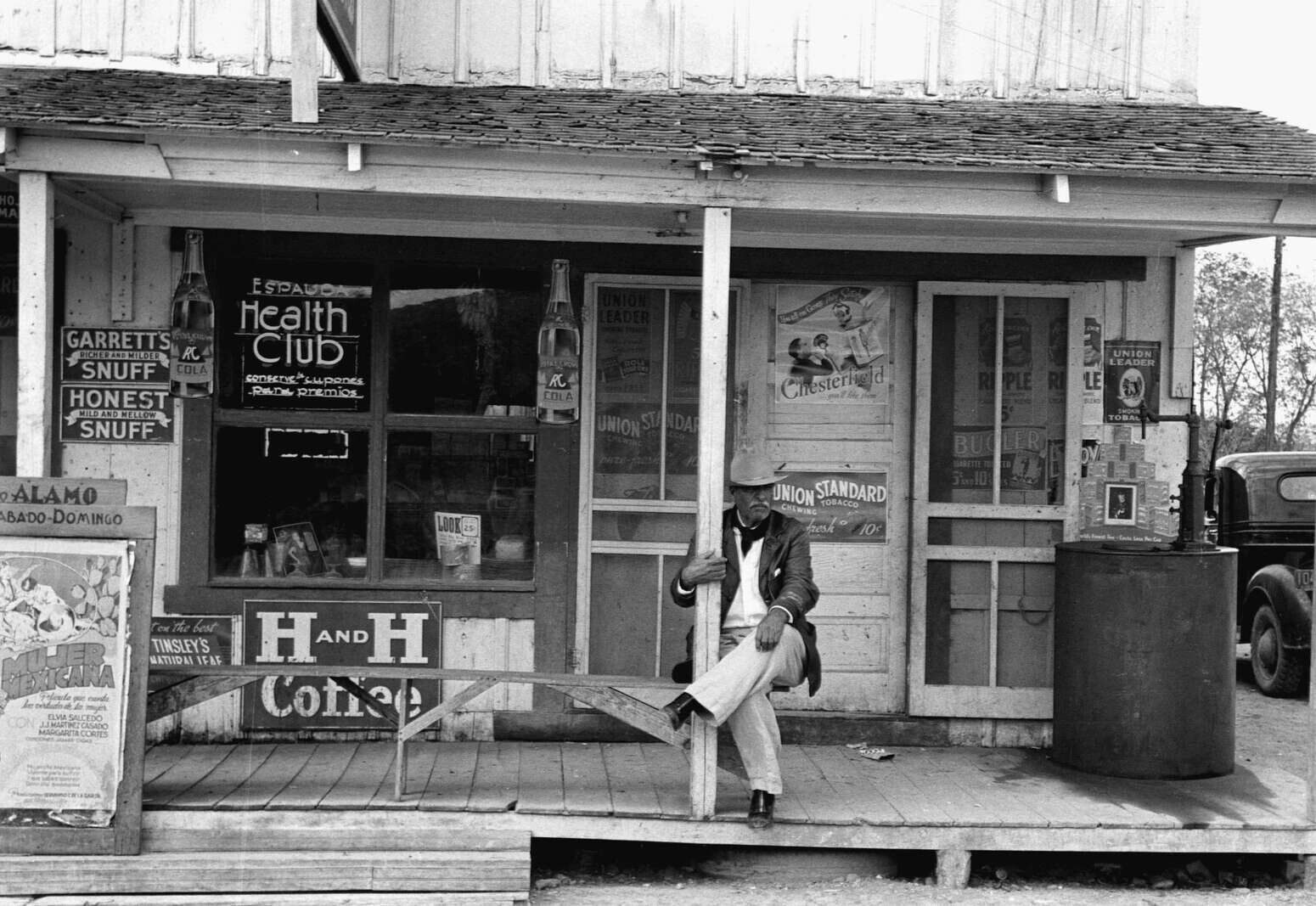
Alamy Stock Photo — H and H Blend Tins and a Border Brand "Cup & Saucer Premium" Pail on a Shelf Display
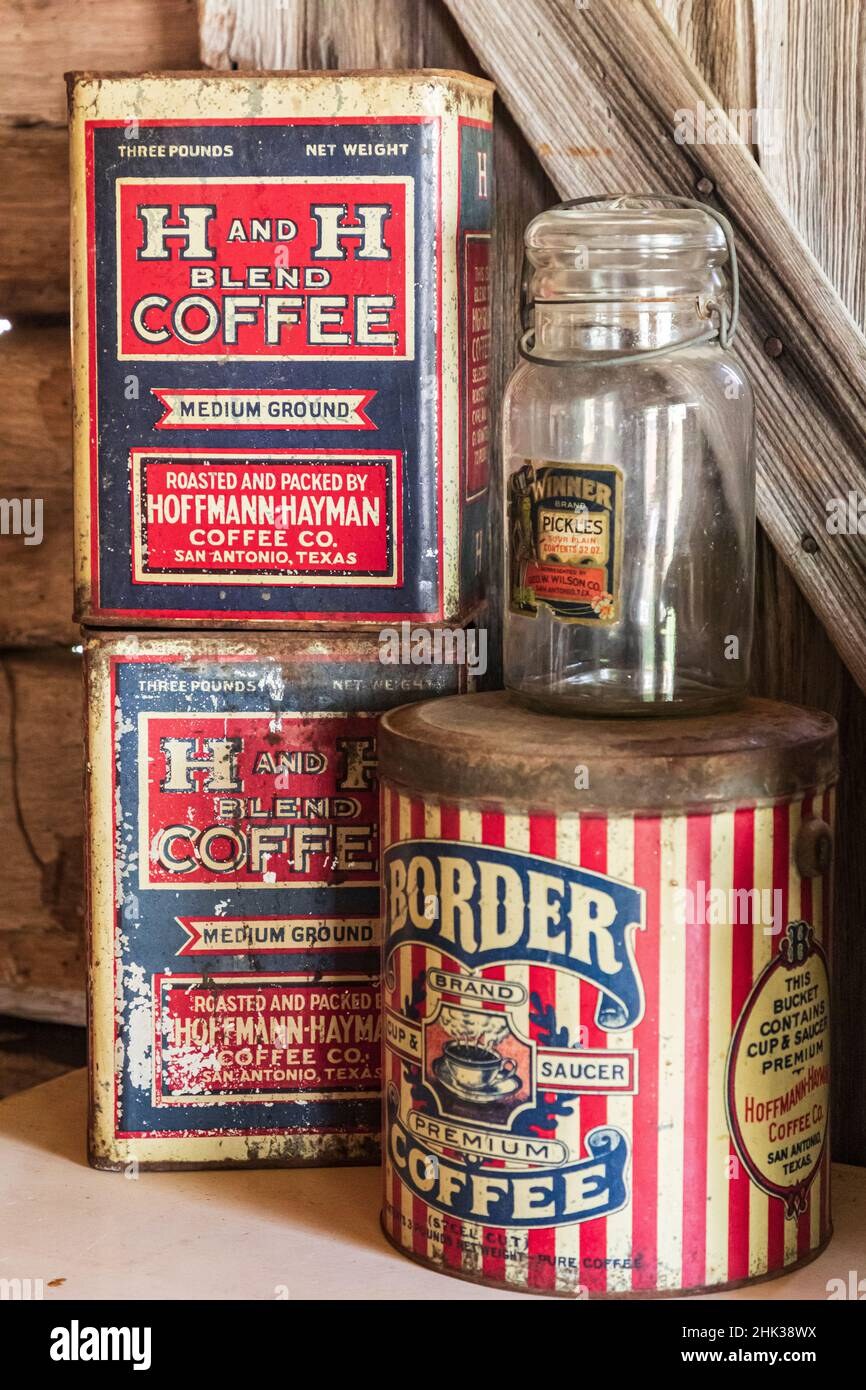
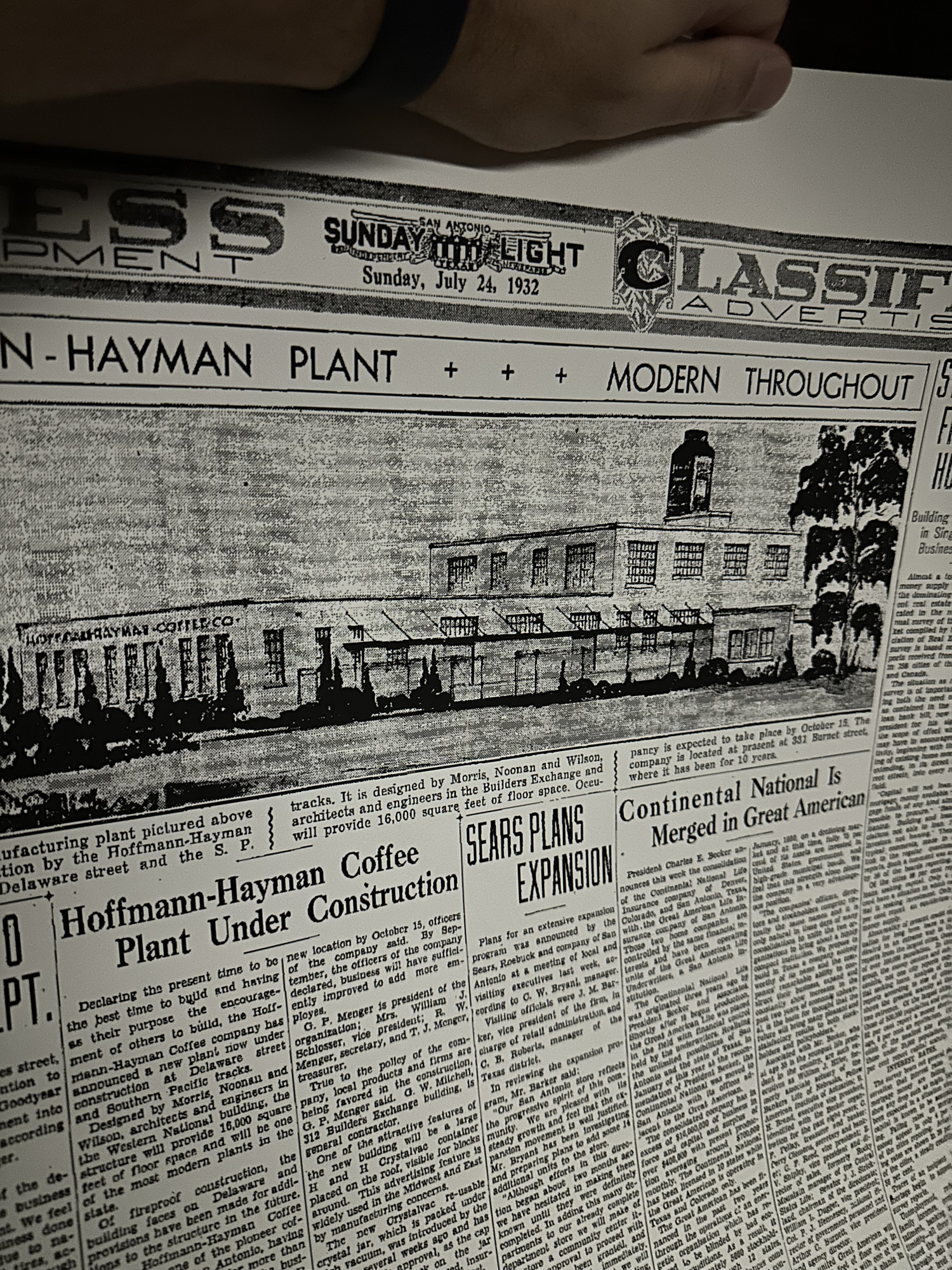
Large-Format Reprint of the 24 July 1932 San Antonio Sunday Light — "Hoffmann-Hayman Plant Modern Throughout"
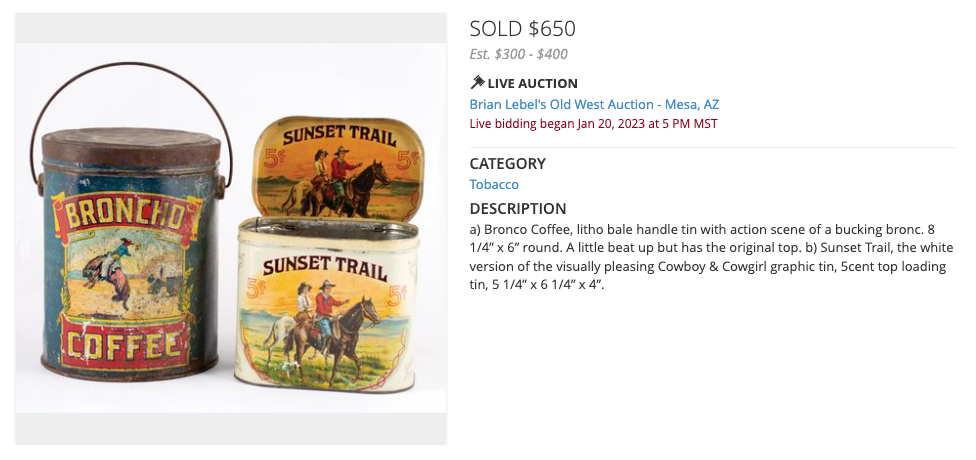
Broncho Coffee Tin
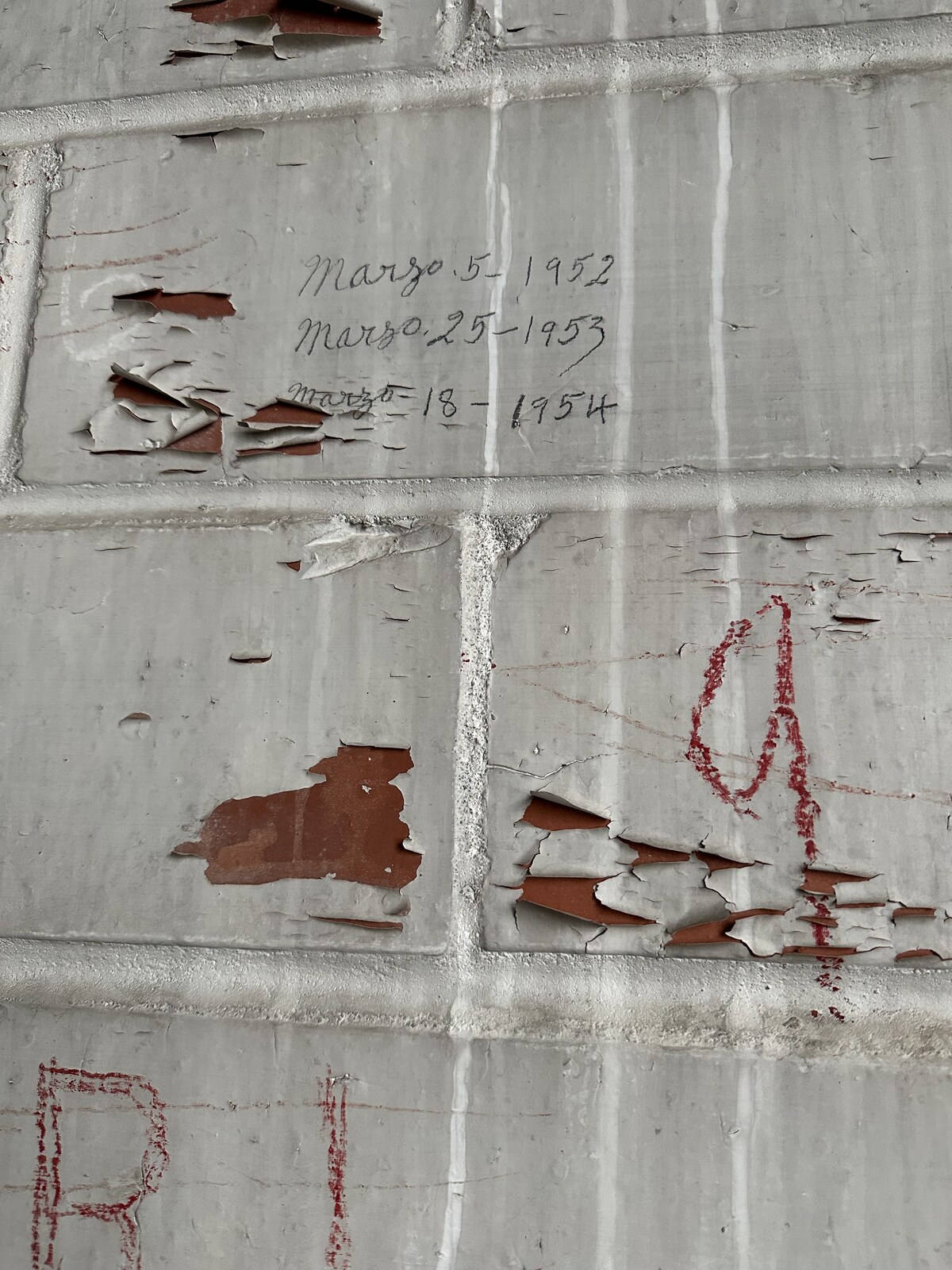
"Marzo 5 – 1952 / Marzo 25 – 1953 / Marzo 18 – 1954" — Three Pencil Dates on the Upstairs East Wall
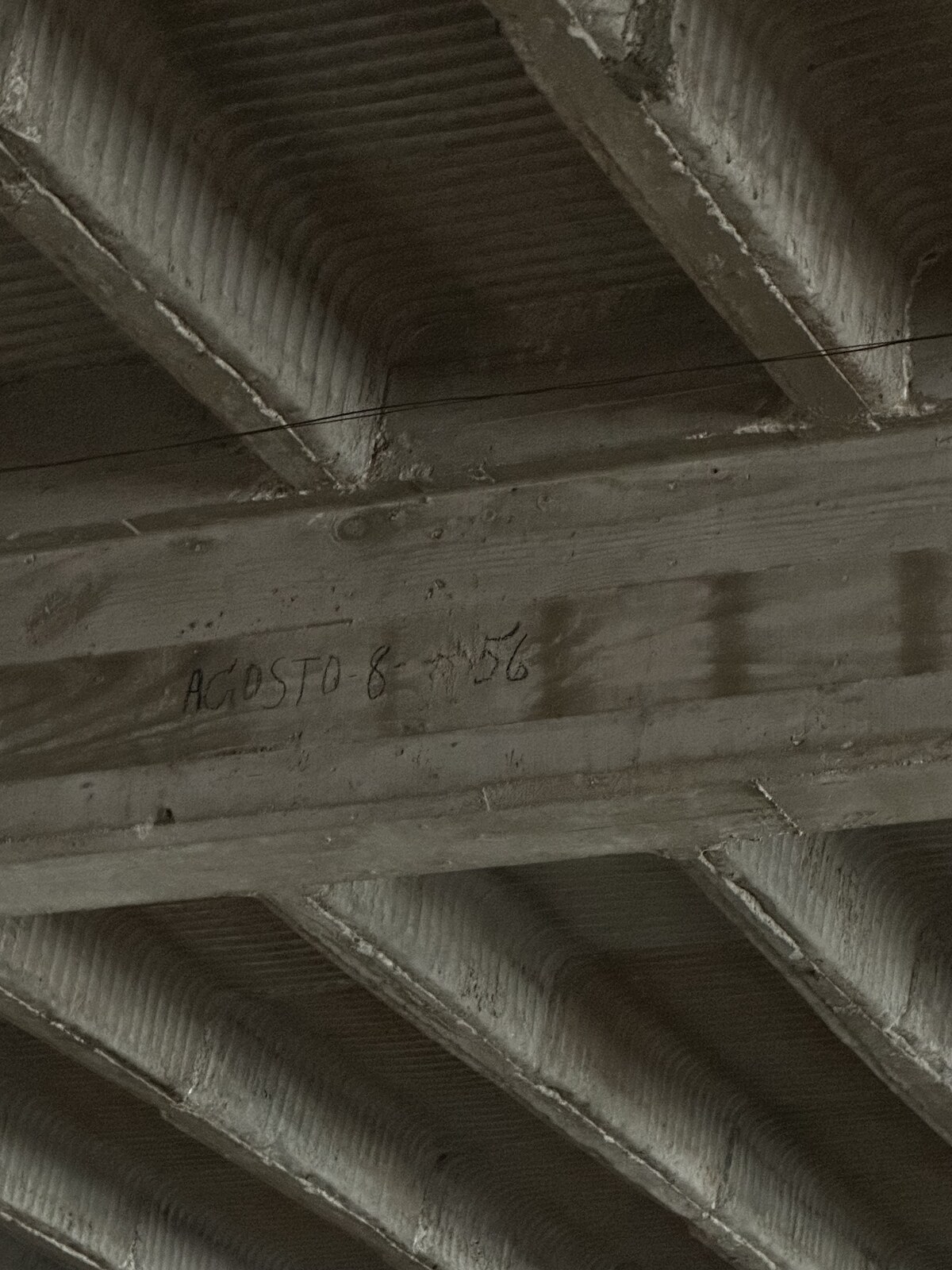
"Agosto 8 – 56" — A Fourth Pencil Date, on a Pan-Formed Concrete Ceiling Joist
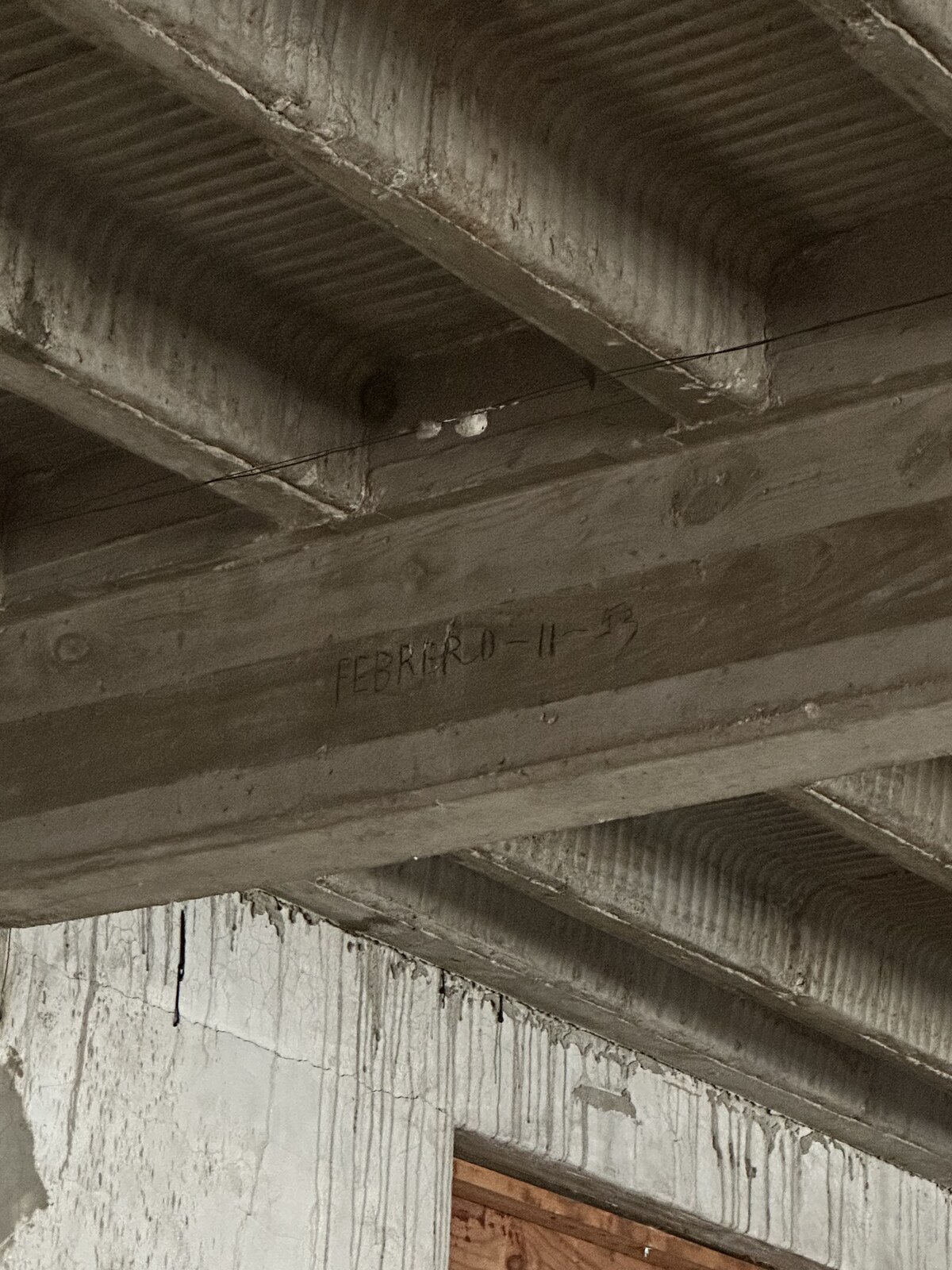
"Febrero 11 – 53" — A Pencil Date on the Seam Between the Expansion and the Original Plant
H and H Master Chef Two Pound Tin
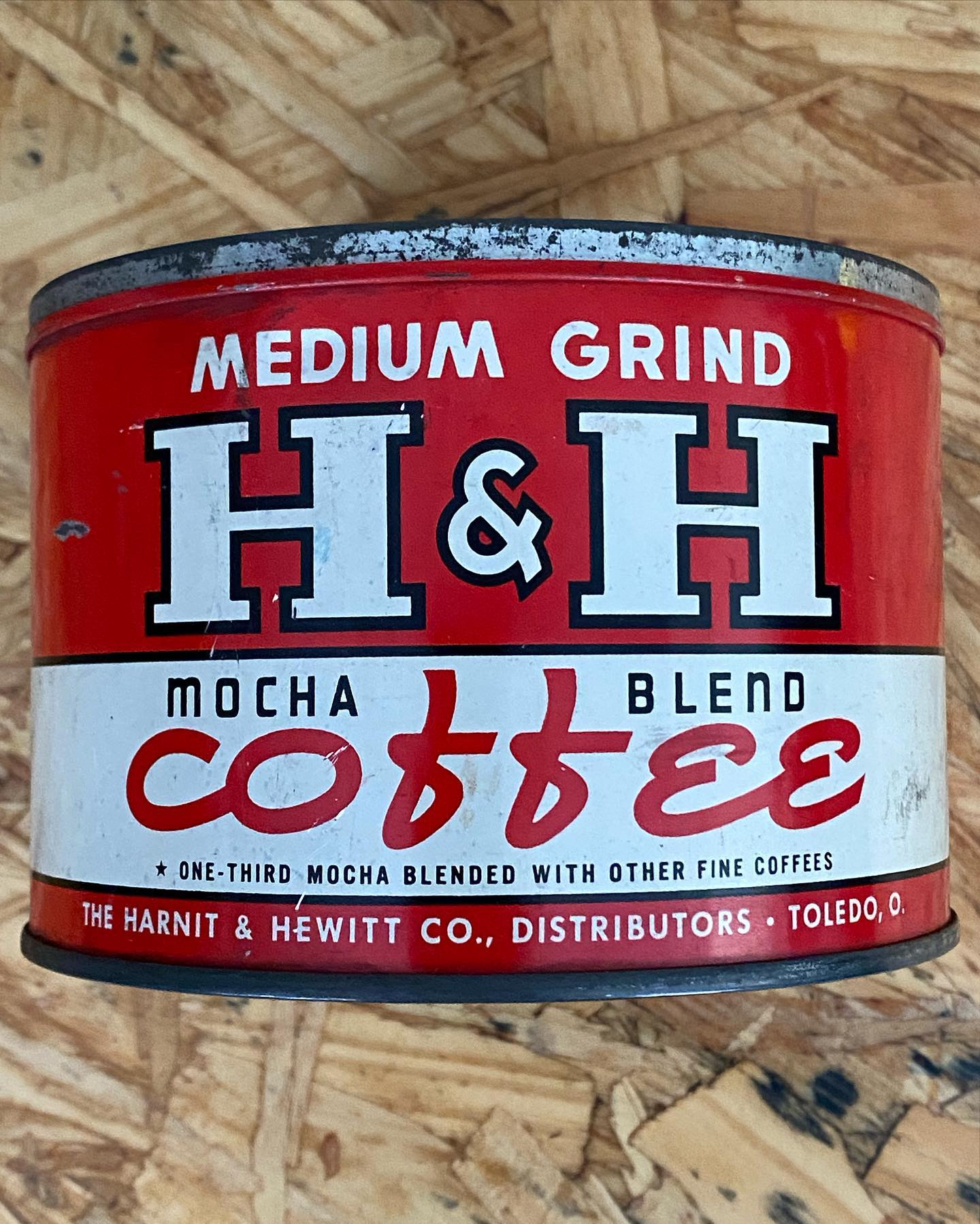
Harnit & Hewitt Mocha Coffee Tin, Toledo (Not Hoffmann-Hayman)
H and H Coffee Factory South Face at Sunset, 14 March 2021

Thunderbirds "America Strong" Flyover from the H and H Factory Roof, 13 May 2020

Vintage H&H Coffee Cardboard Sign
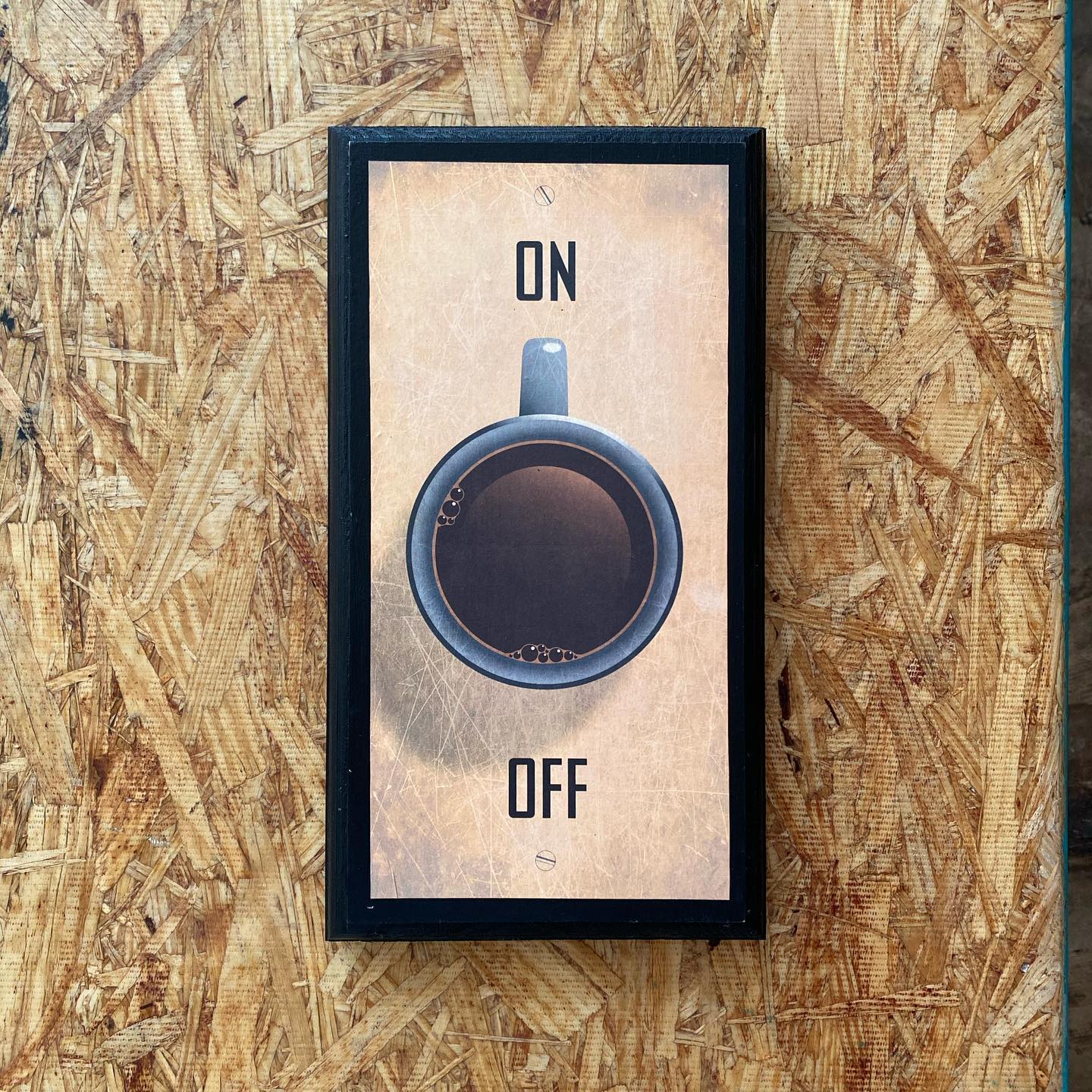
Coffee On Switch Art
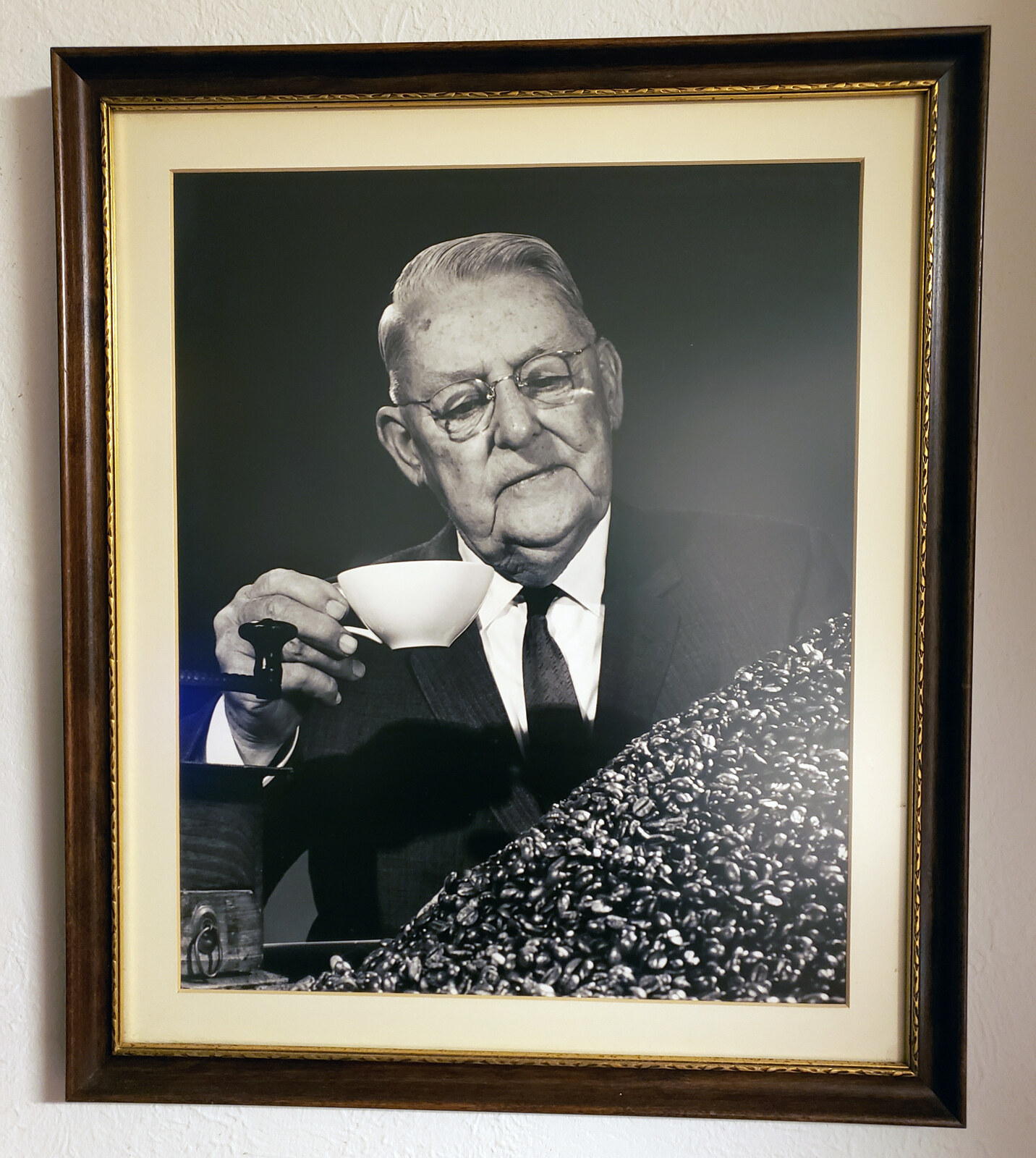
Gus P. Menger Cupping Portrait — Hoffmann-Hayman Coffee Co., Photo by Studer, 1938
H and H Coffee Cardboard Sign (October 2019)
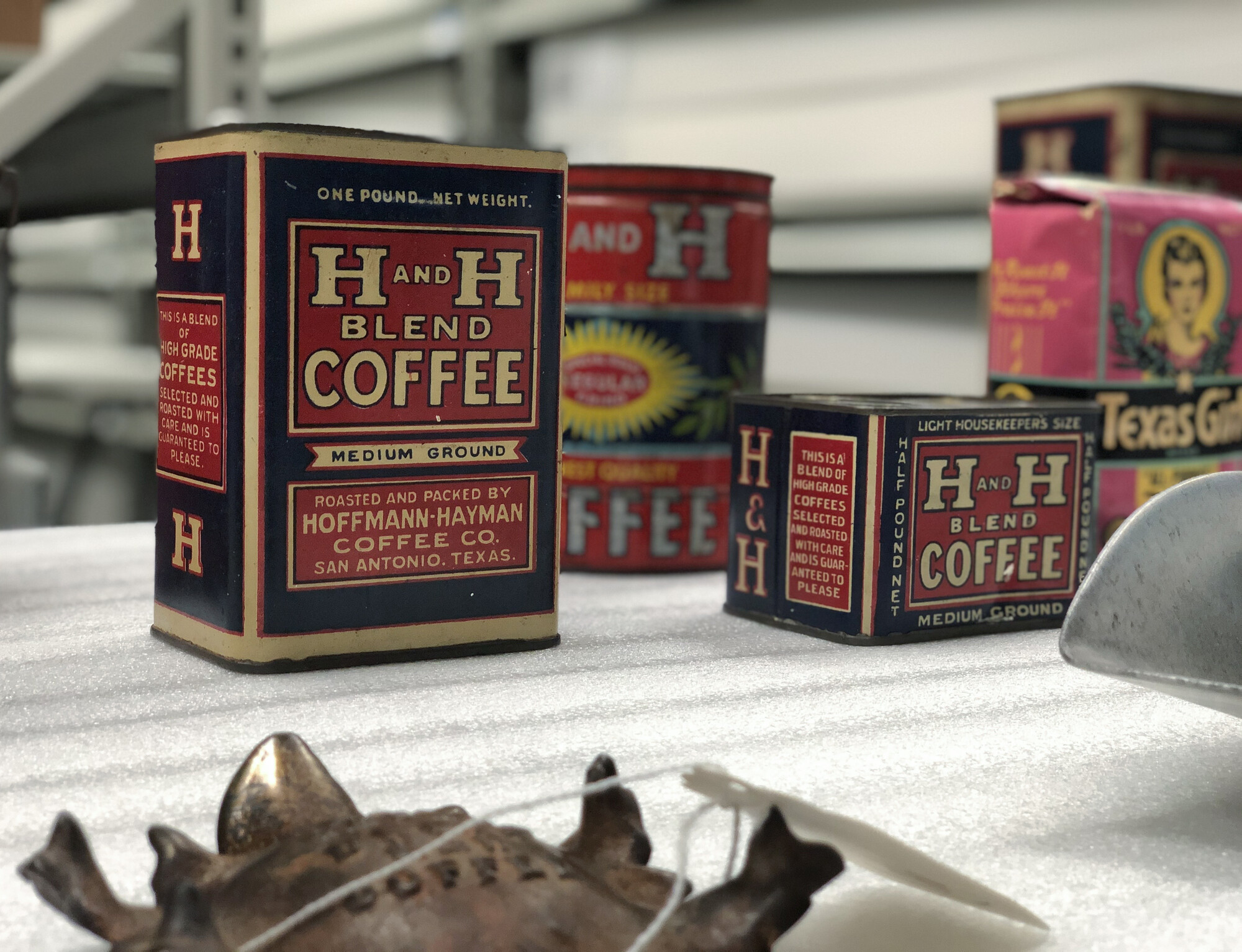
Witte Museum — A 2019 Visit to the Hoffmann-Hayman Coffee Collection
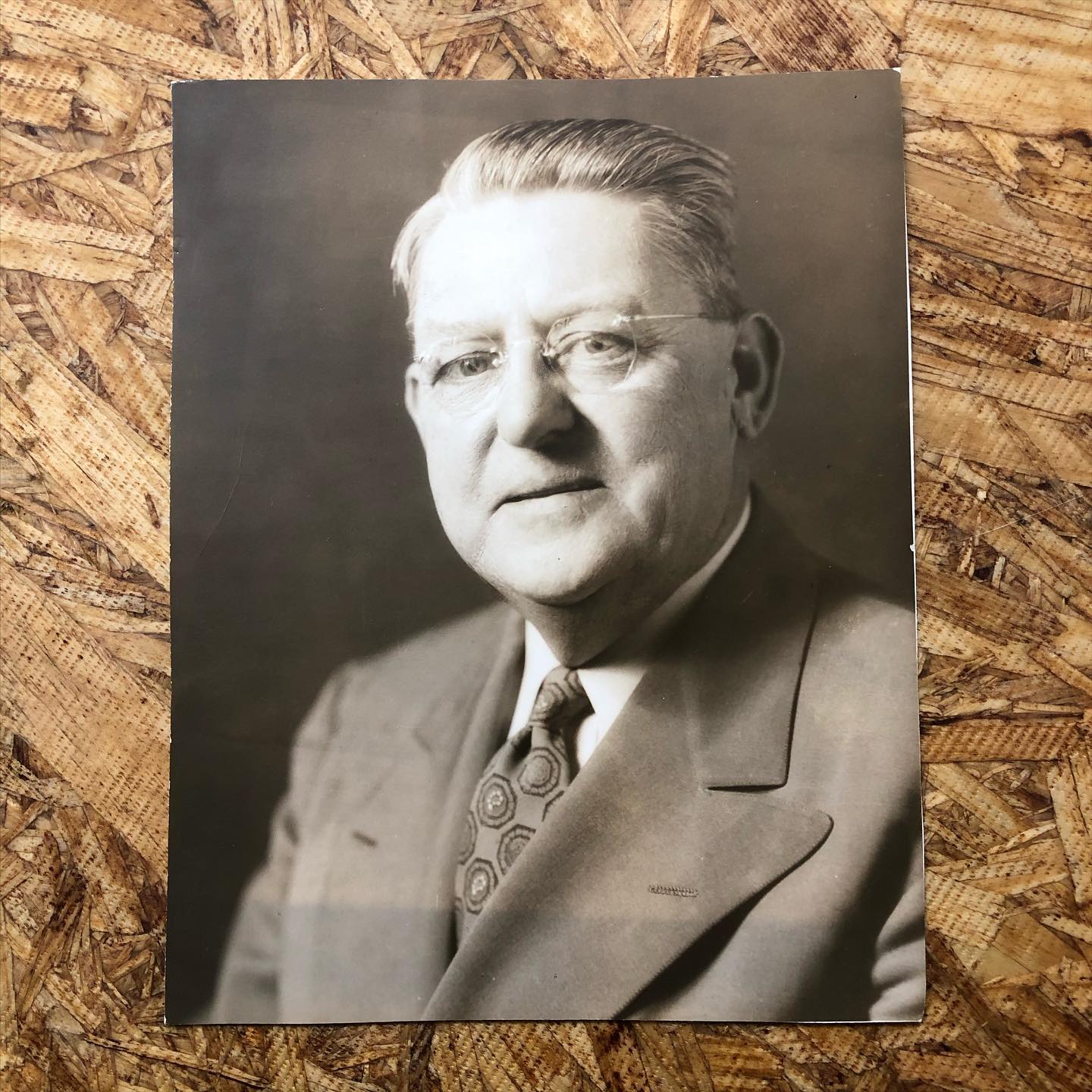
Gus P. Menger Press Portrait, Hoffmann-Hayman Coffee Co.
H and H Master Chef One-Pound Keywind Tin
H and H Blend Three-Pound Crystalvac Jar
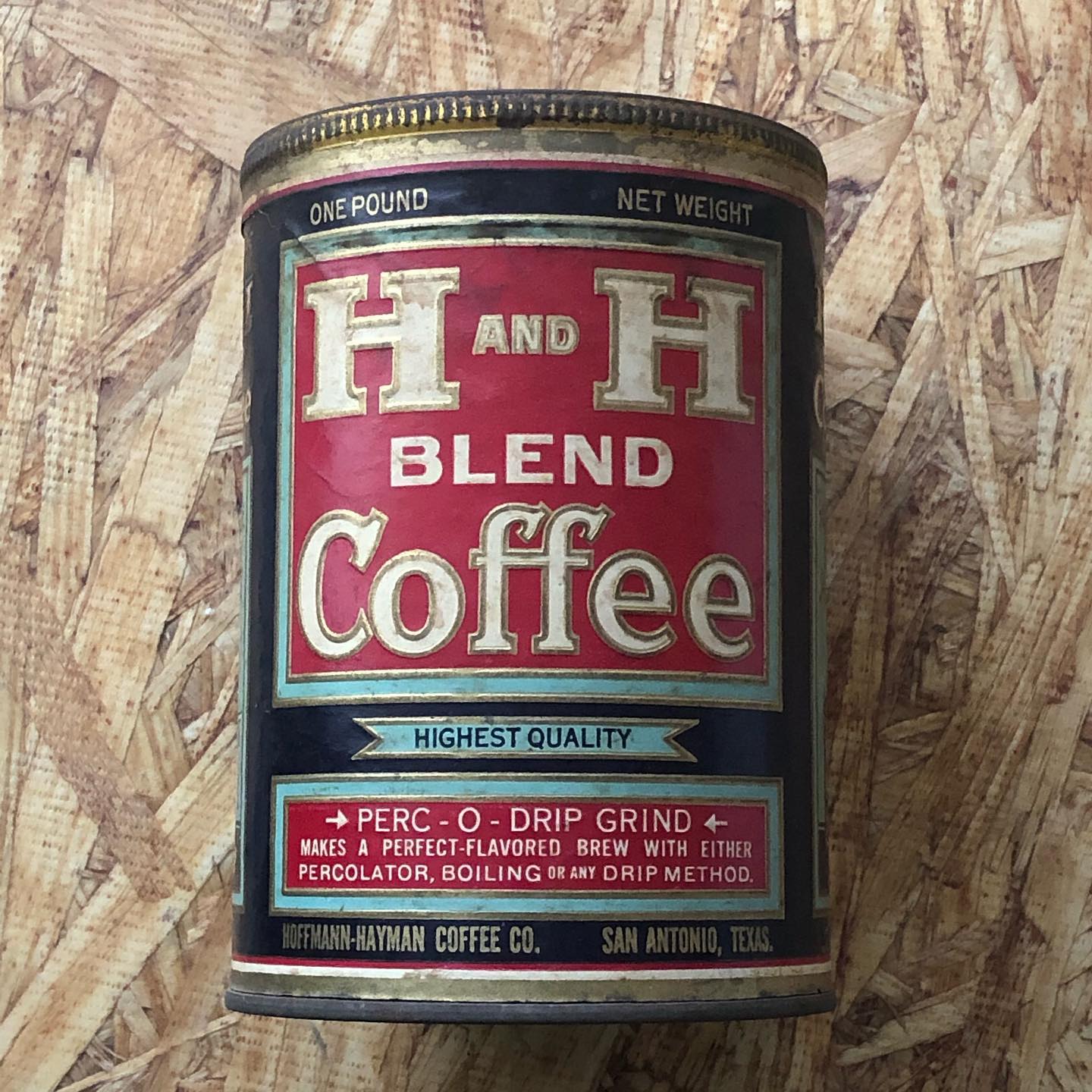
H and H Blend Unopened One-Pound Paper-Label Tin
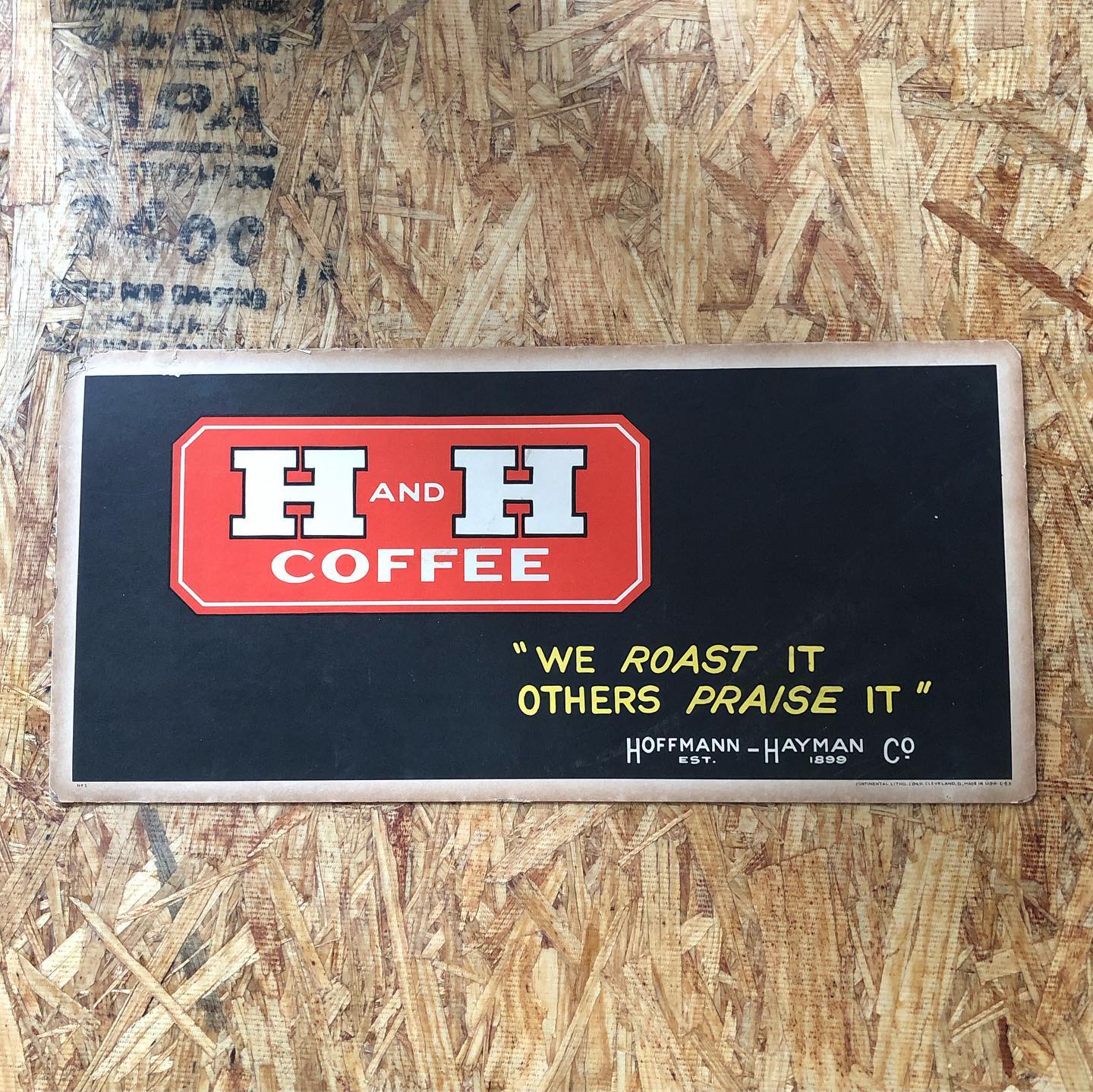
H and H Coffee "We Roast It, Others Praise It" Cardboard Sign
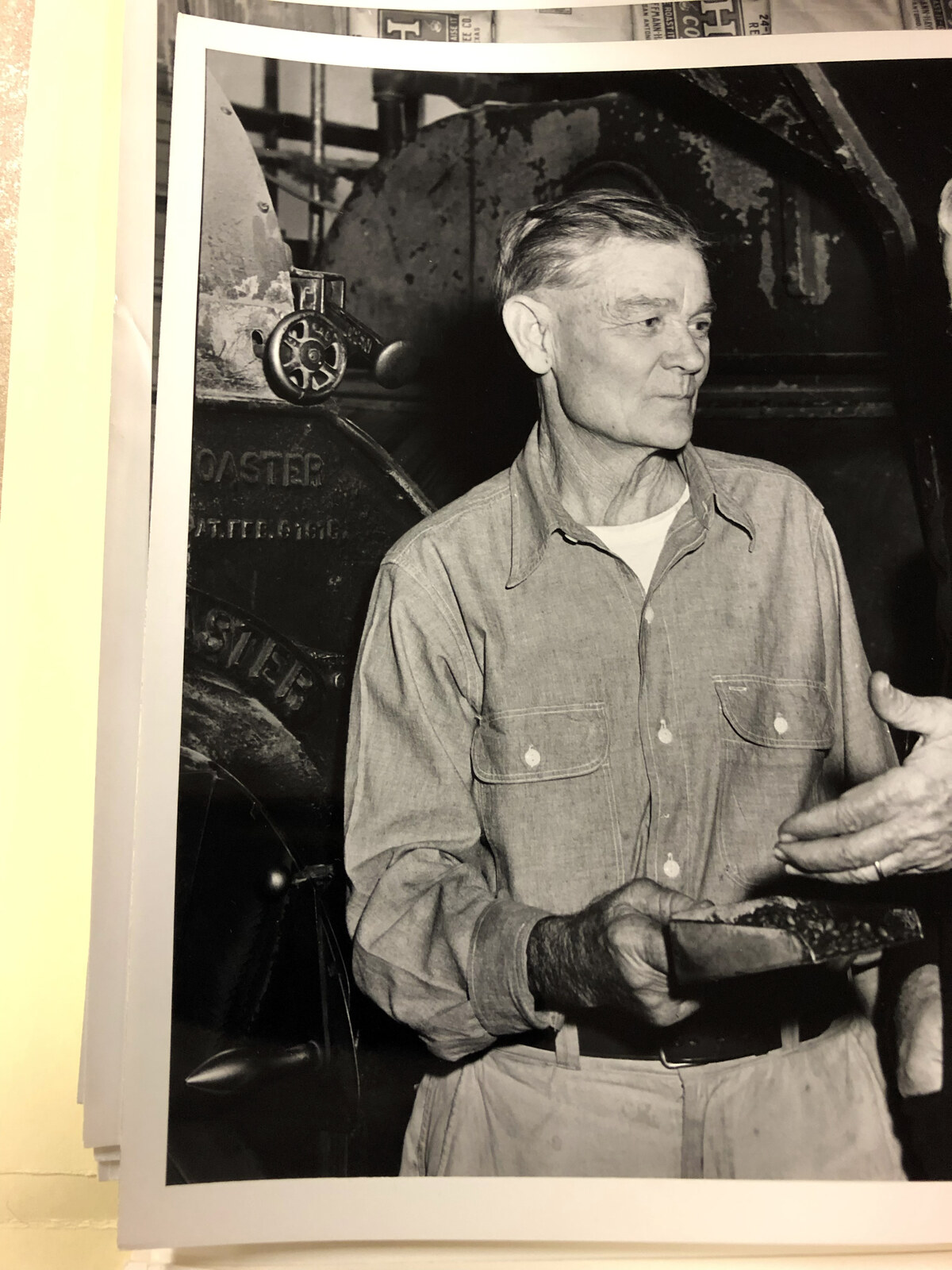
Man Sampling Coffee at a Drum Roaster — Photographic Print from an H and H–Adjacent Stack
H and H Aqua Crystalvac Jar
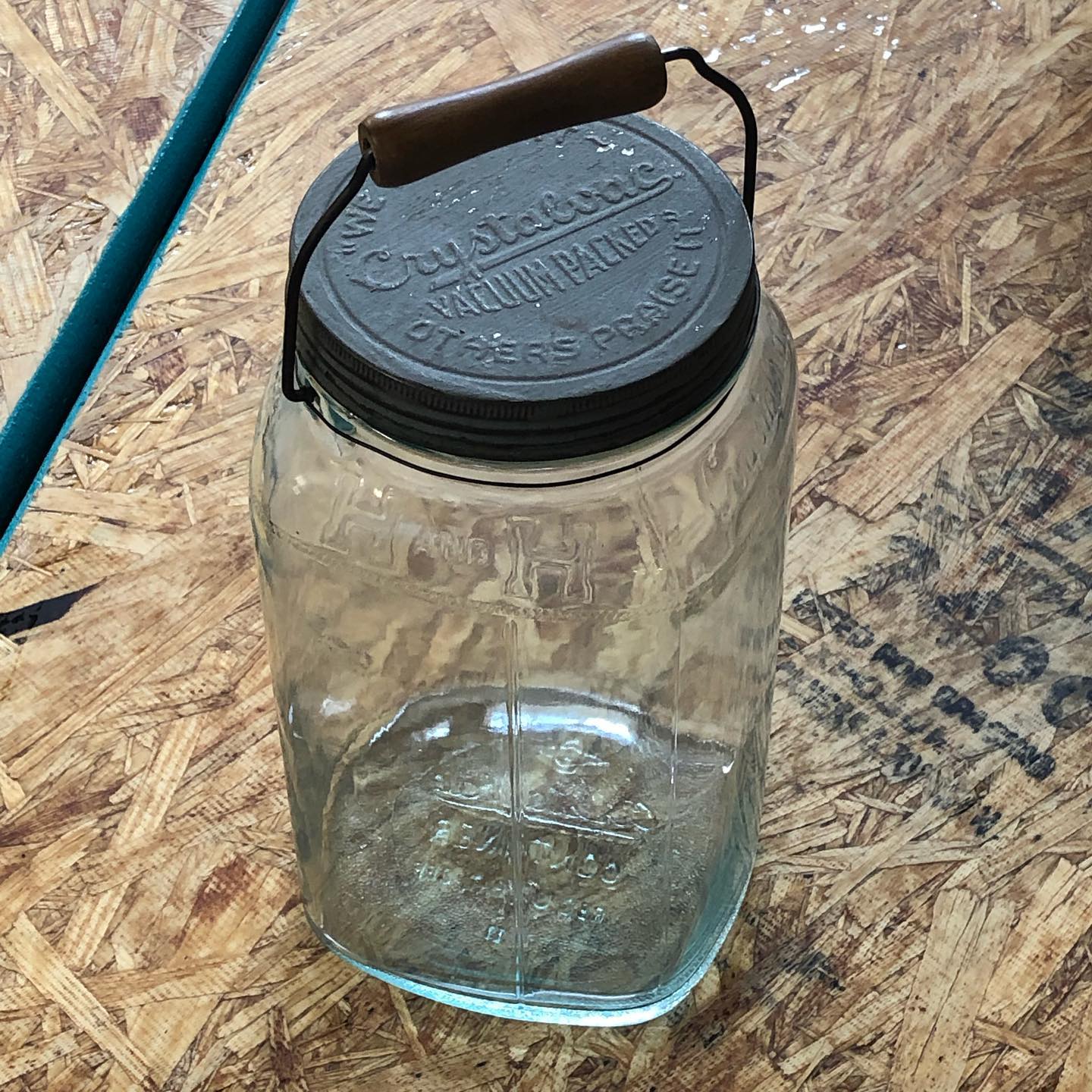
Red Bird Coffee One-Pound Keywind Tin
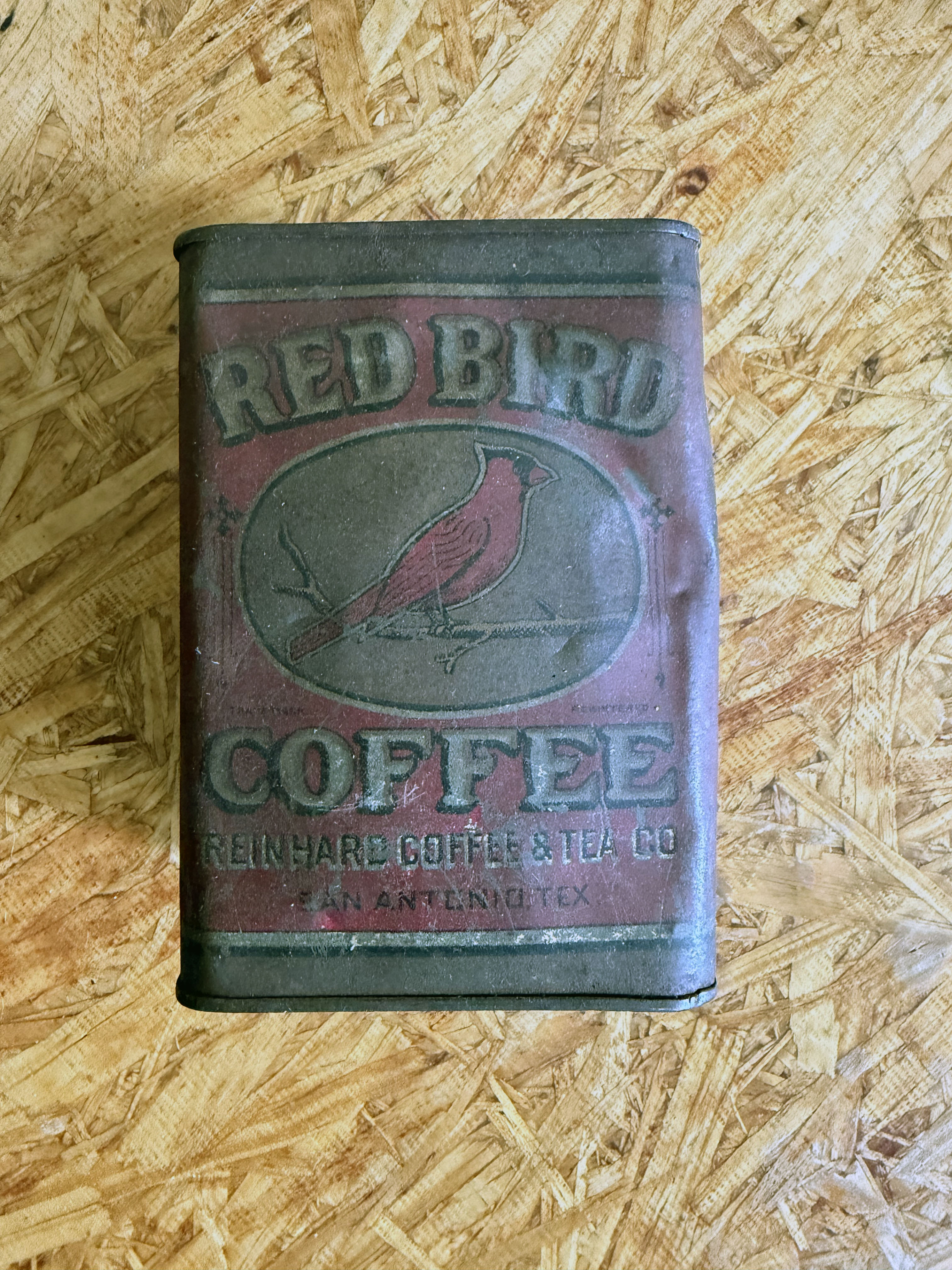
H and H Sam Houston Tin
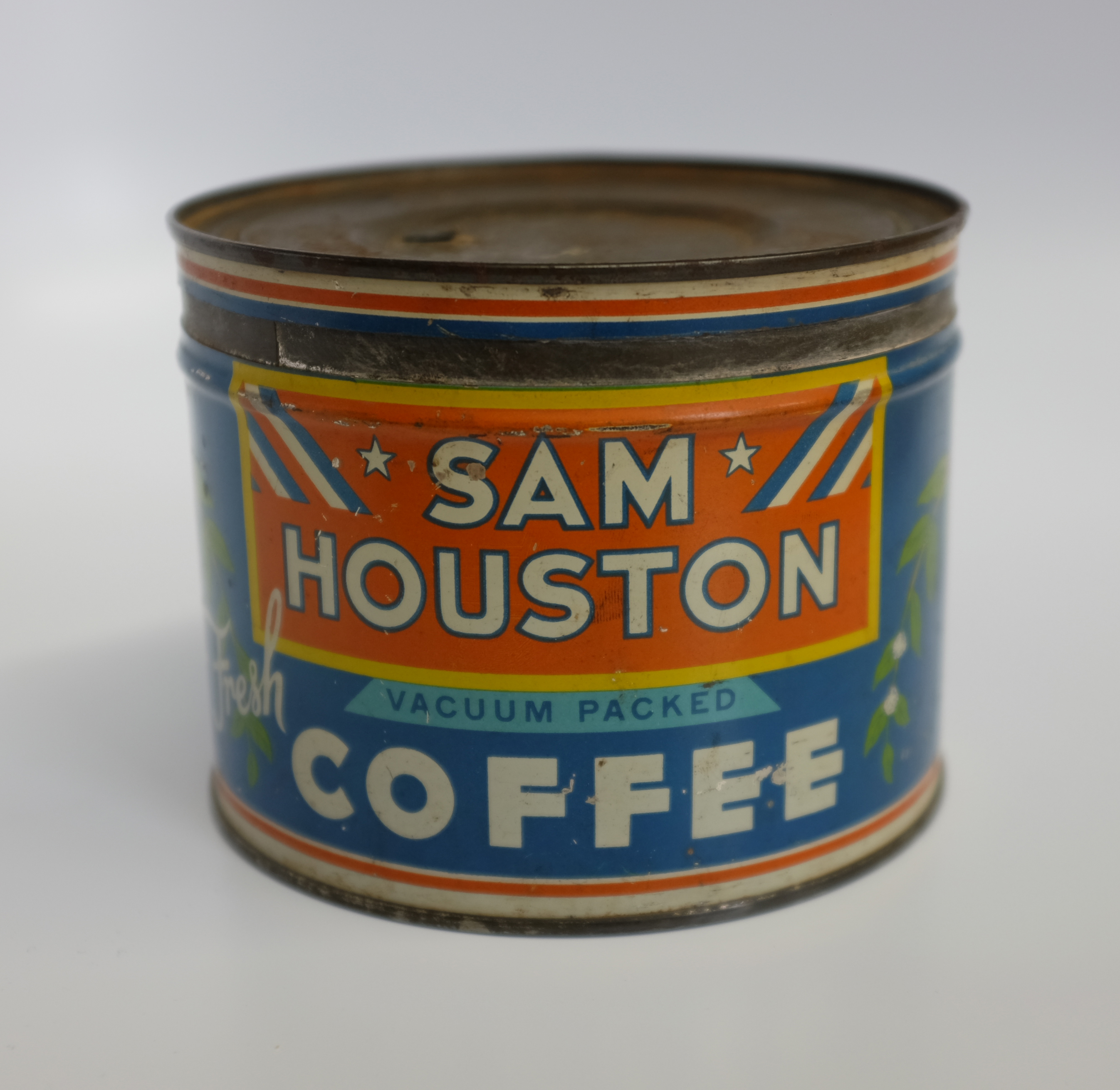
H and H Blend Coffee Three-Pound Paper-Label Tin
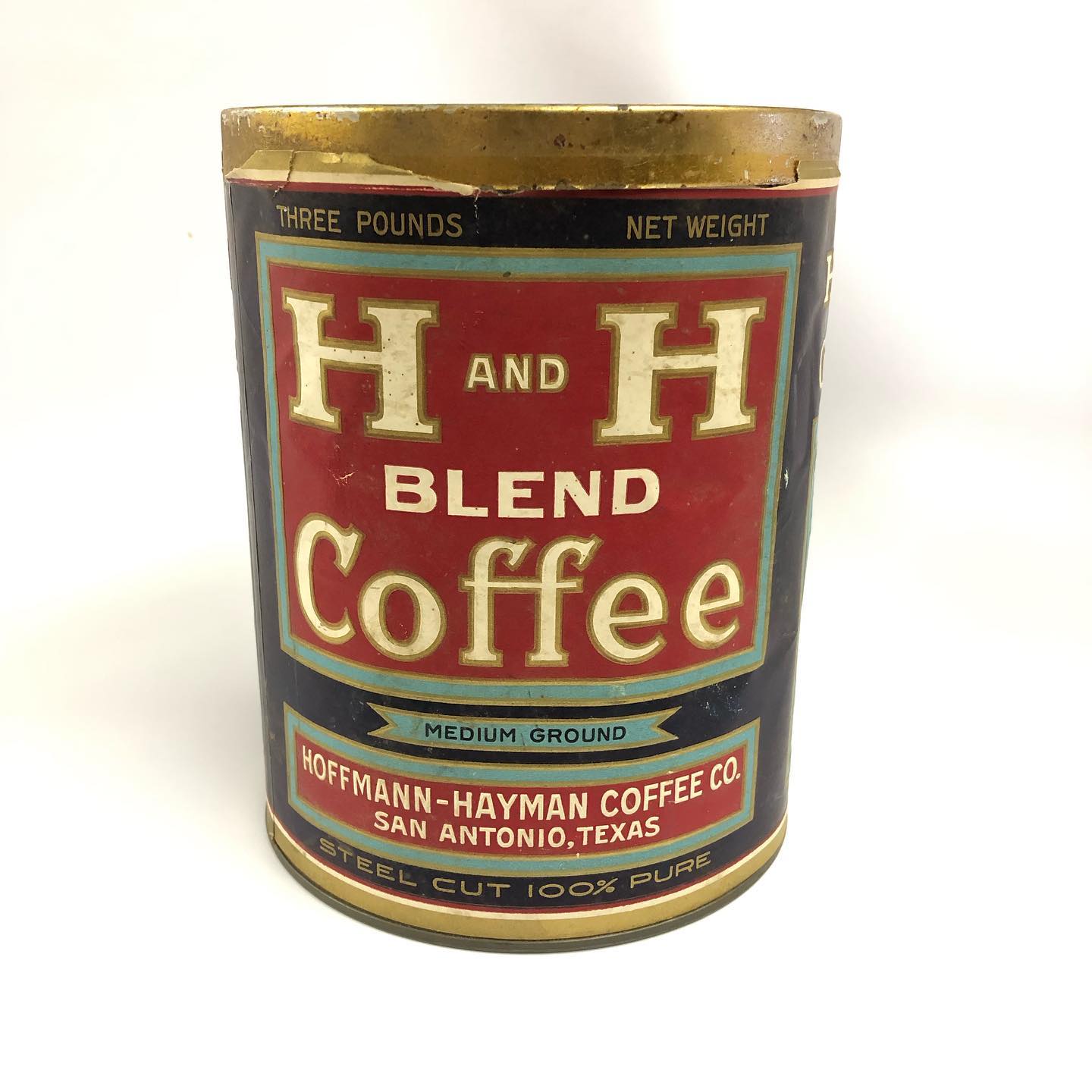
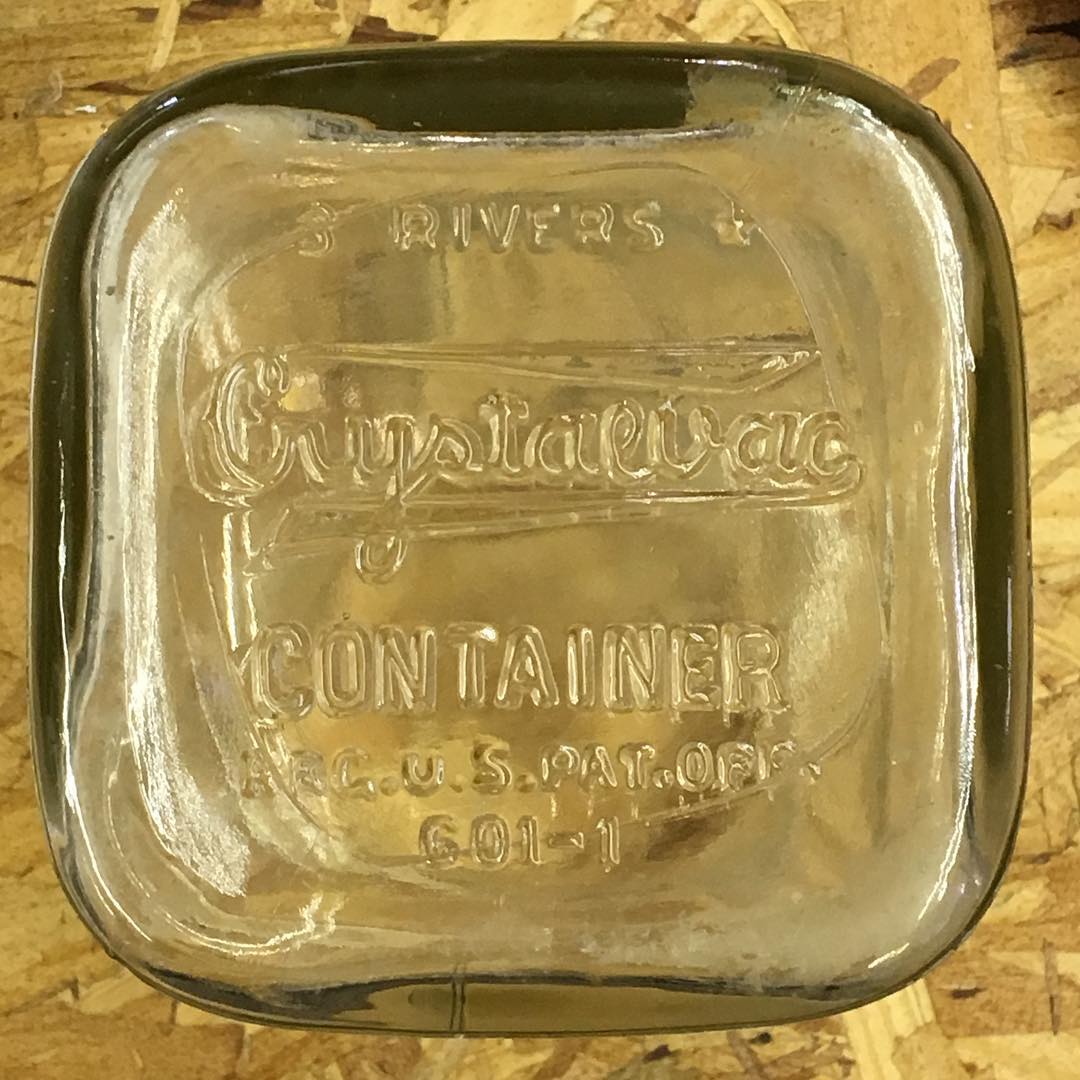
Second Three Rivers 601-1 Crystalvac Jar (No Lid)
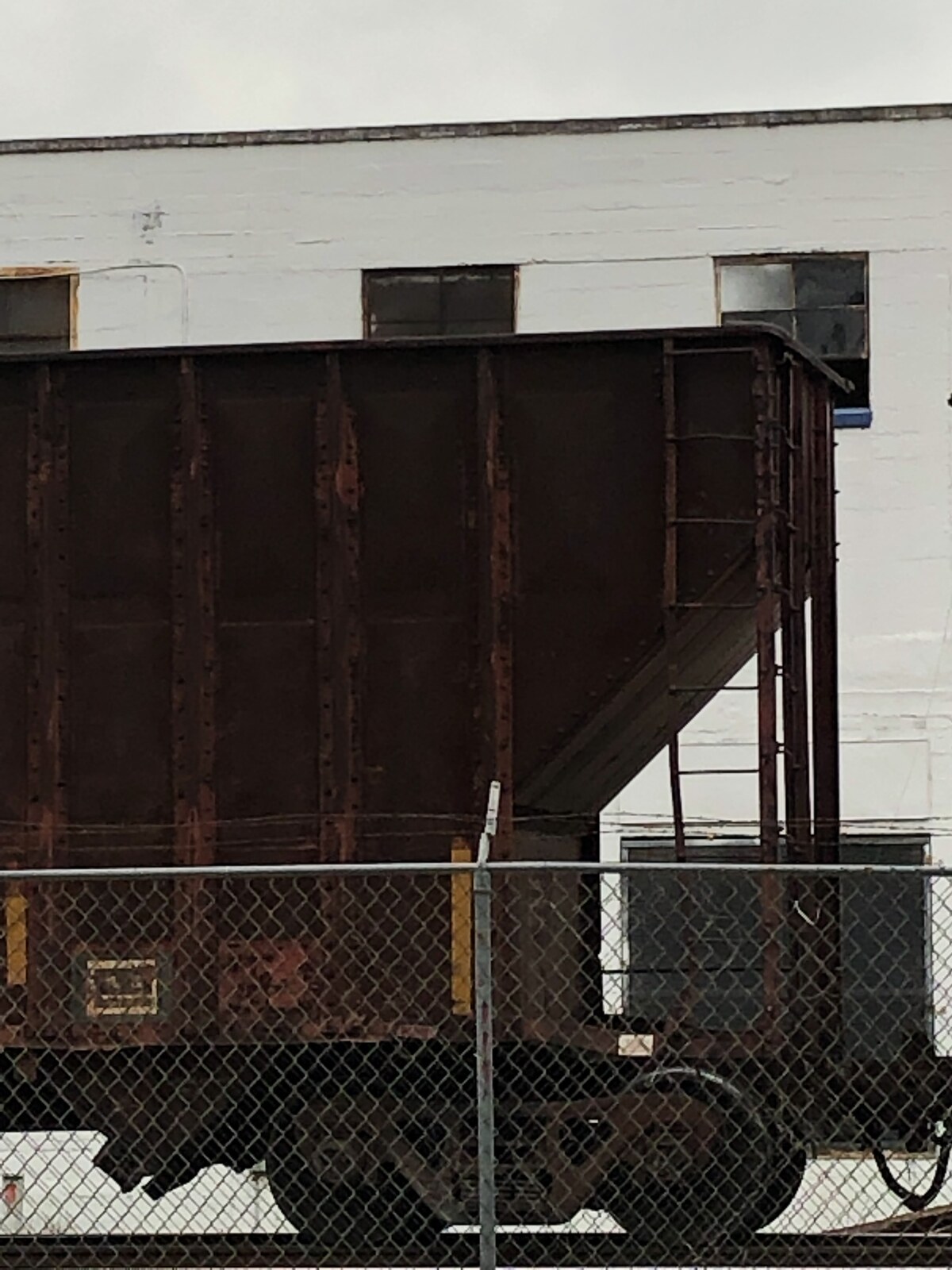
Hopper Car at the H and H Coffee Factory Siding
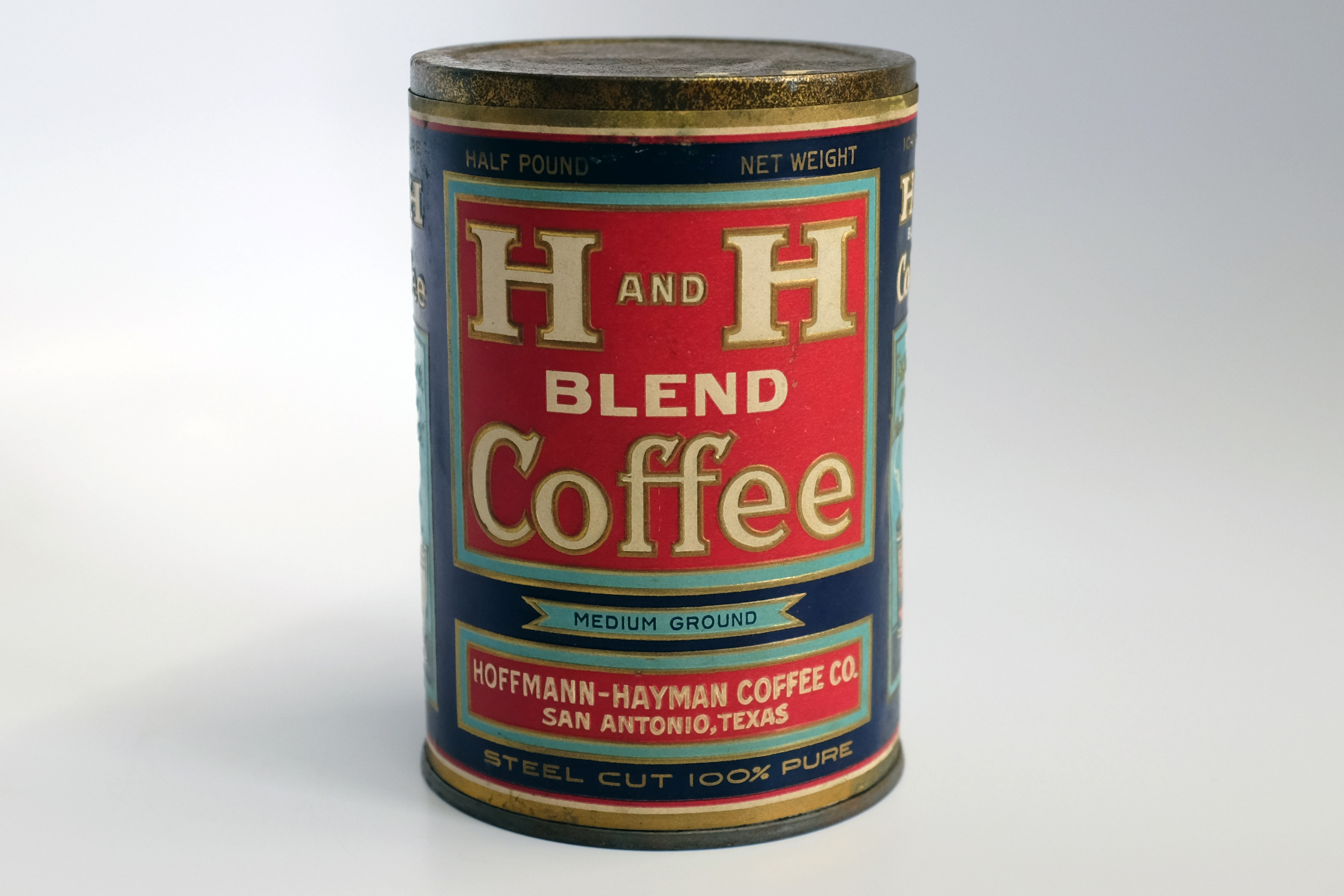
H and H Half Pound Tin
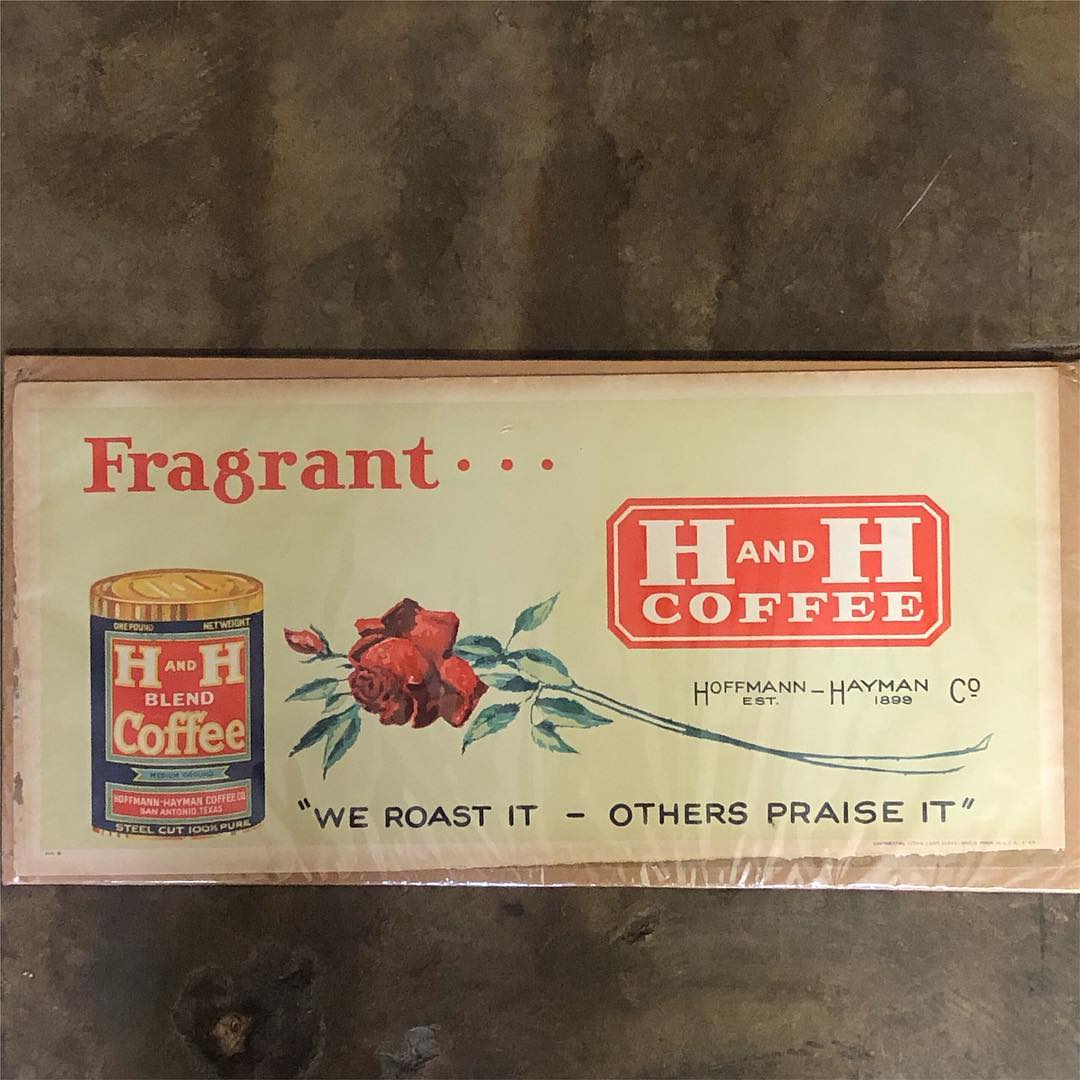
H and H Coffee "Fragrant" Cardboard Litho Sign
H and H Coffee Factory — South End and West Flank from the Rail Siding at Dusk, February 2019

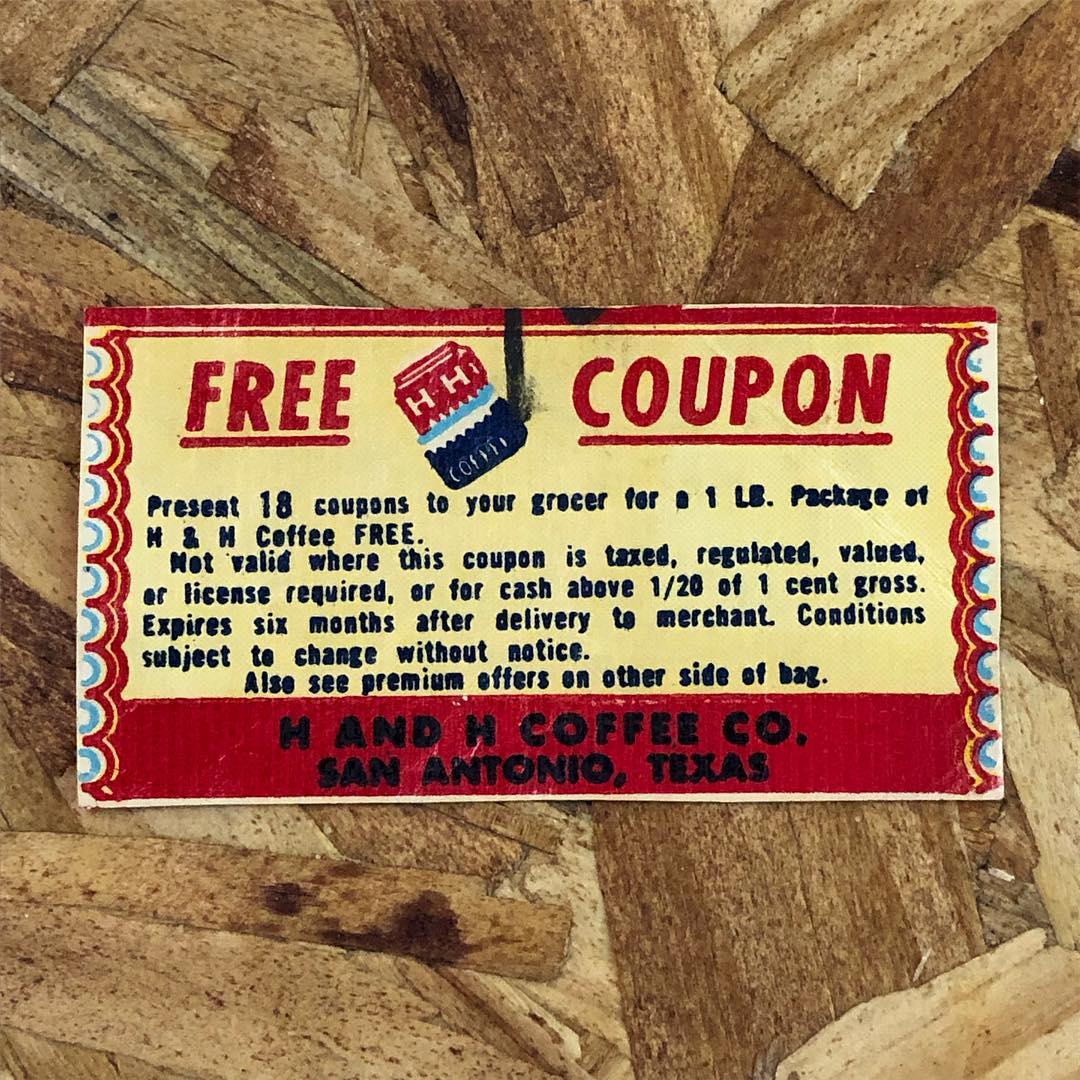
H and H Coffee "Free Coupon" from a Coffee Bag
Second Three-Pound Owens-Illinois Crystalvac (Clear)
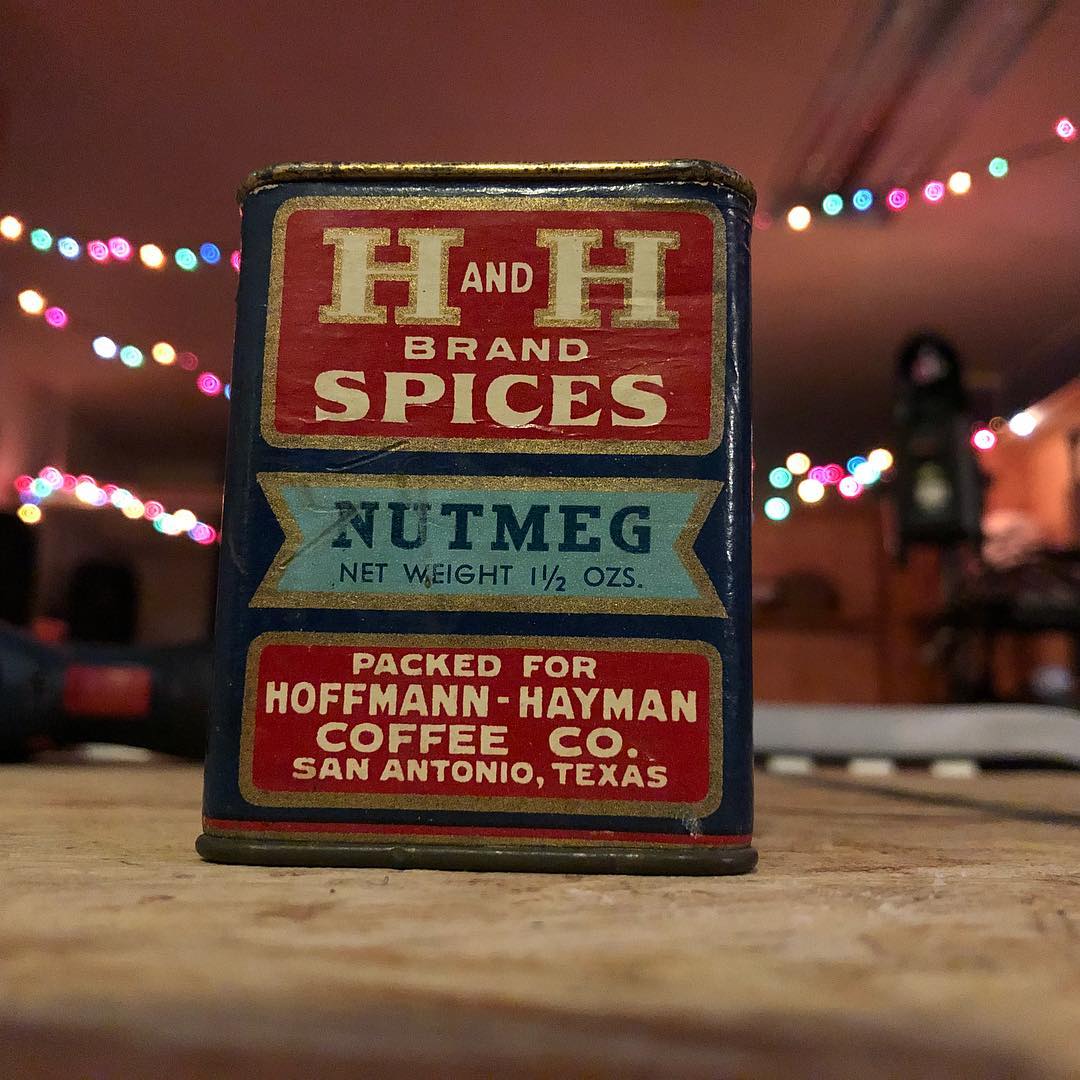
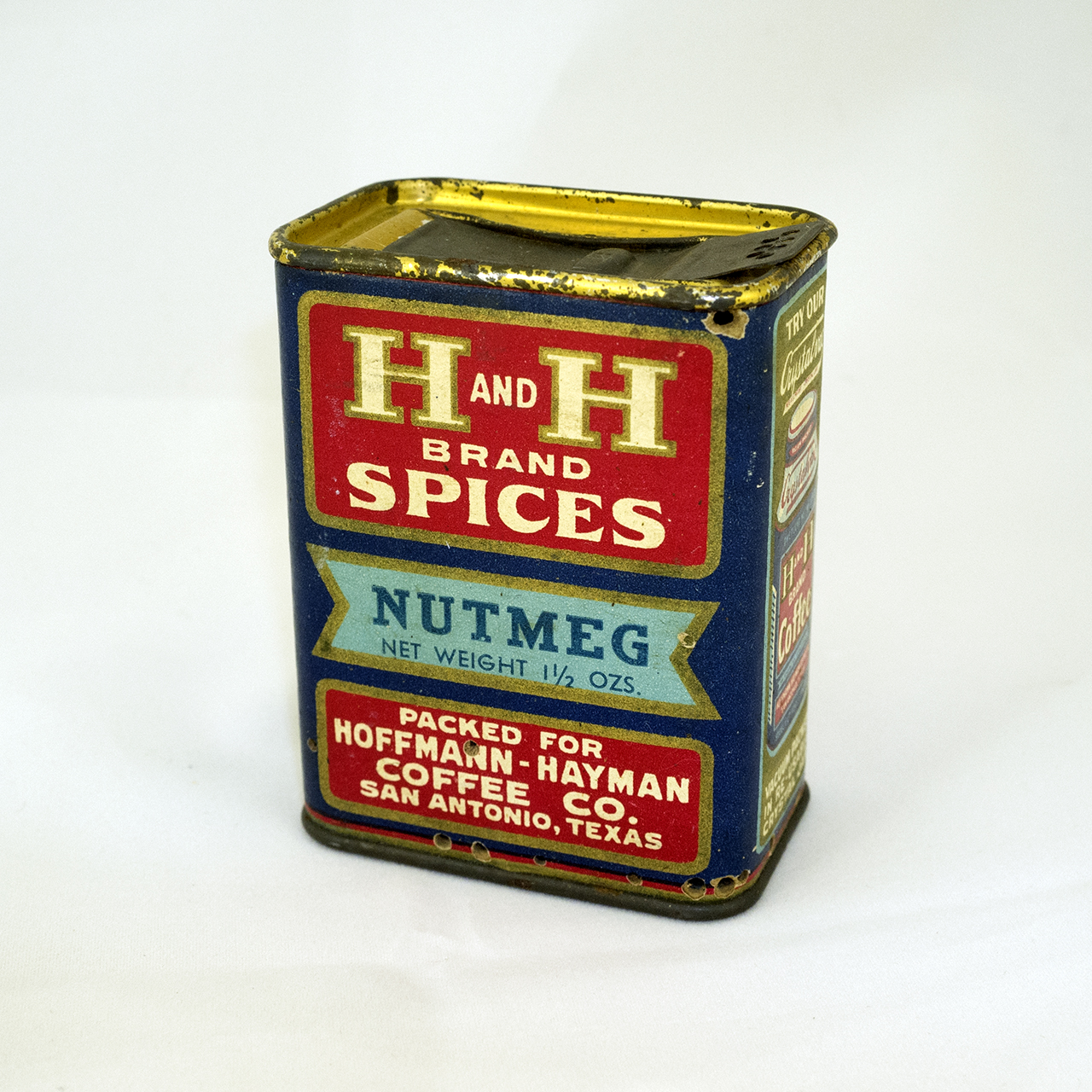
H and H Brand Spices — Nutmeg Tin, 1½ oz
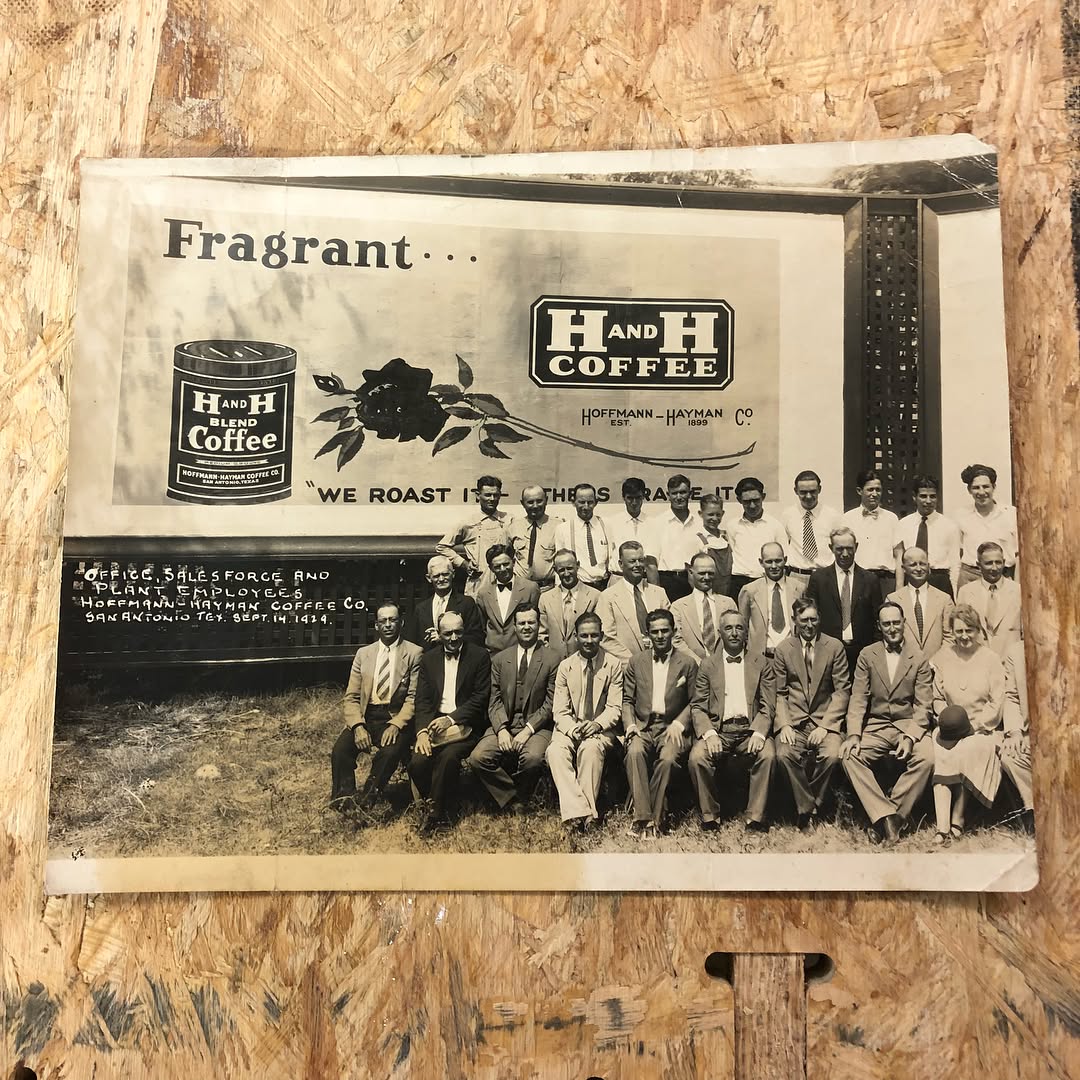
1929 Hoffmann-Hayman Employees at the "Fragrant…" Billboard
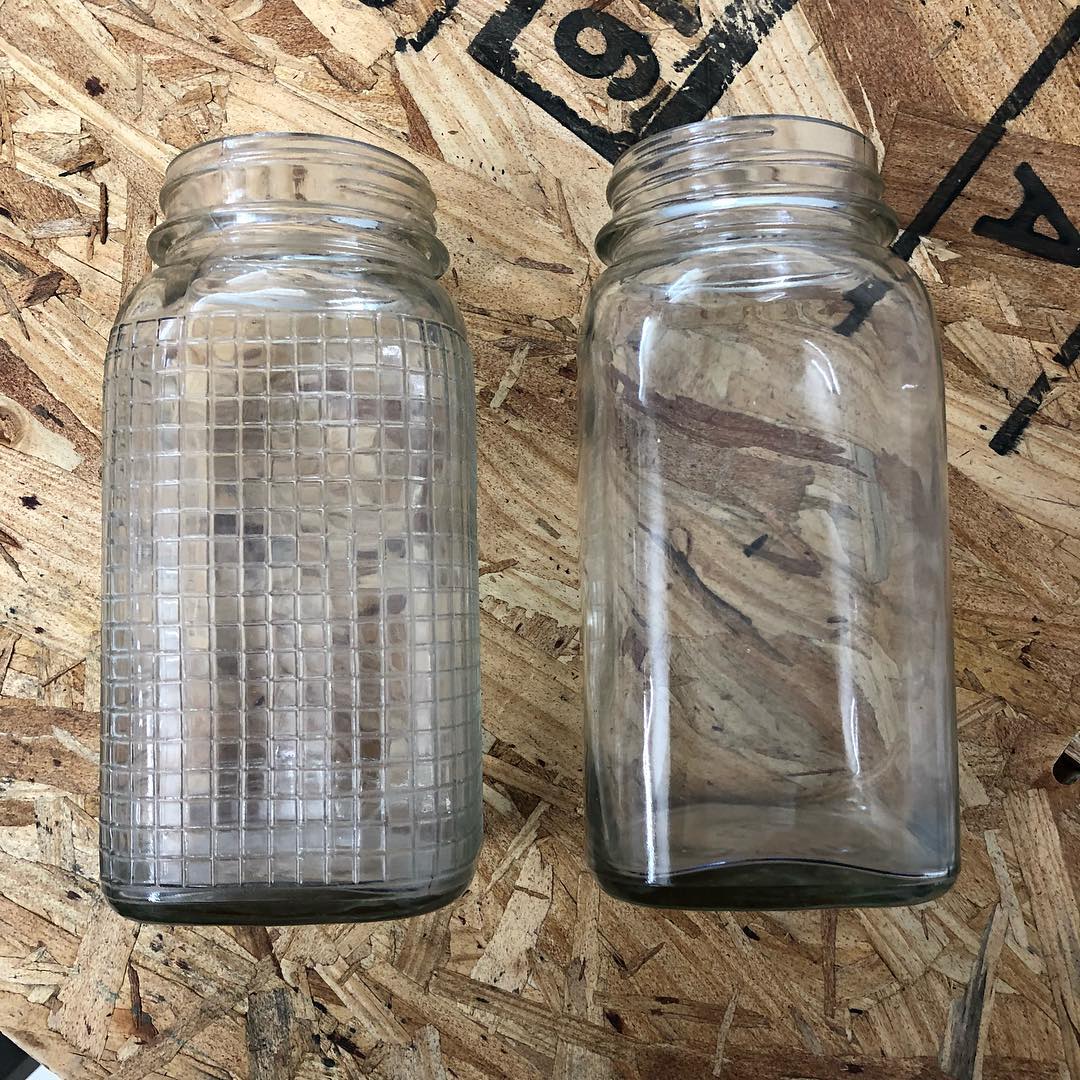
Crystalvac Jars — Waffle Glass vs. Smooth (Looking for the “Older Brother”)
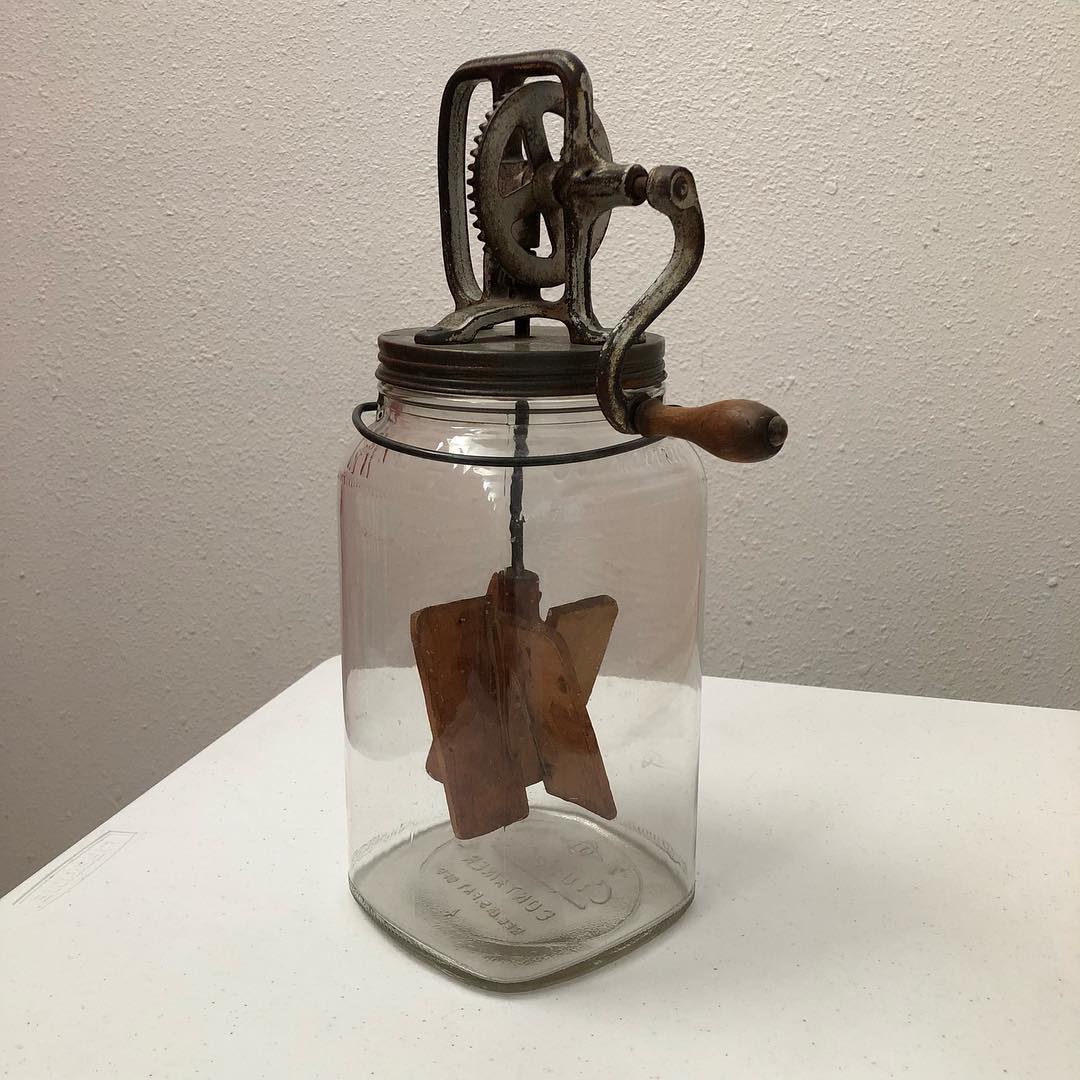
Crystalvac Jar with Butter-Churn Attachment
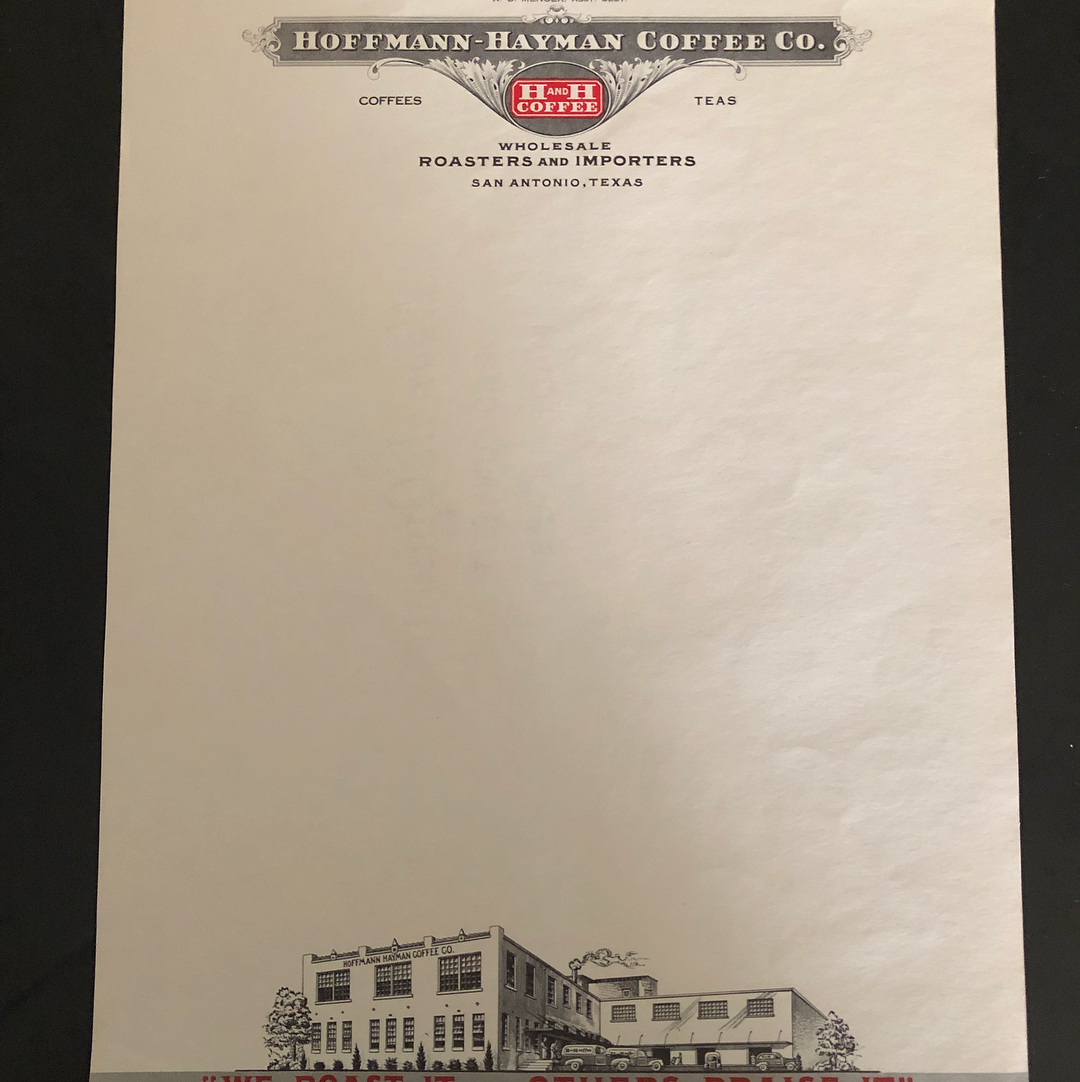
Hoffmann-Hayman Coffee Co. Illustrated Letterheads
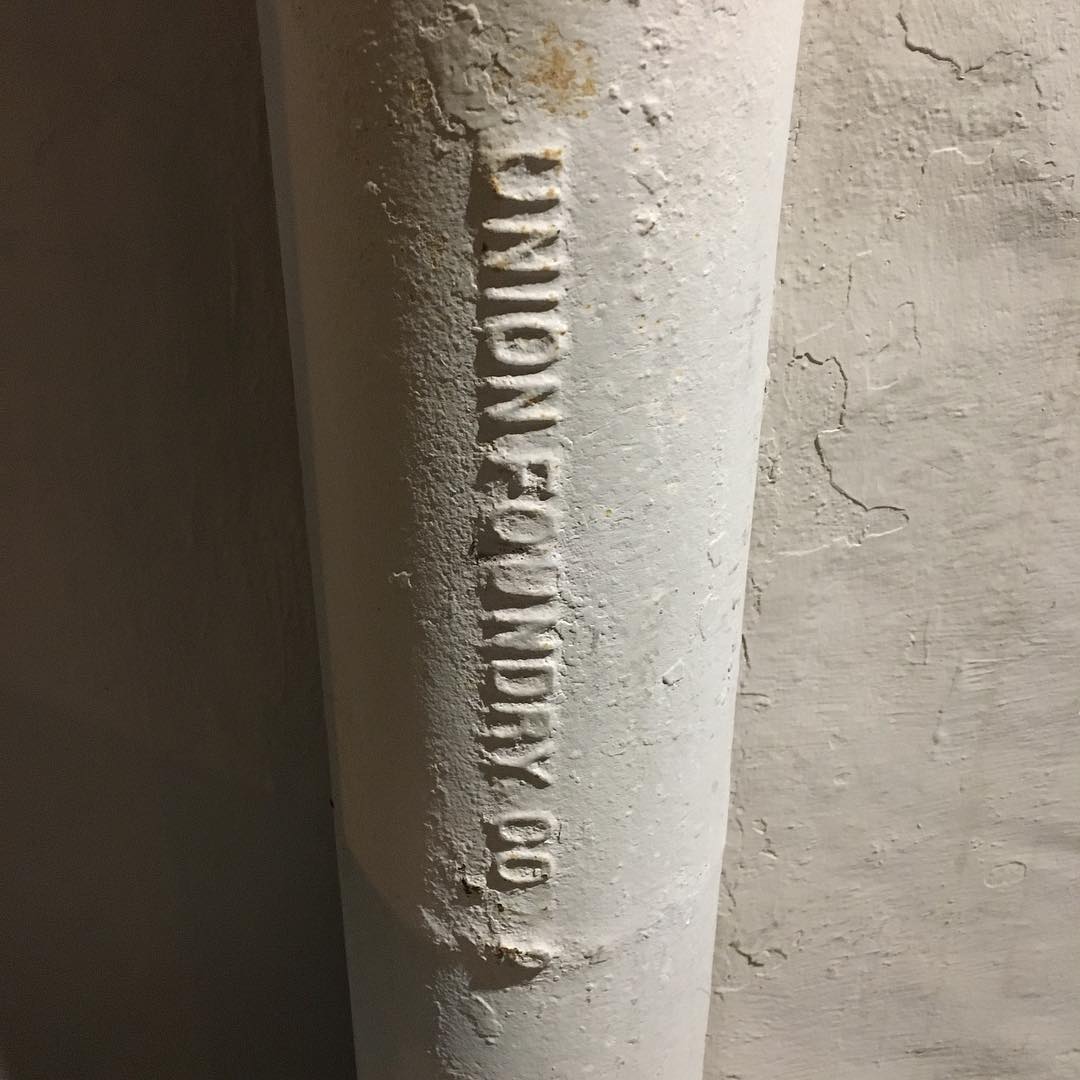
Union Foundry Co. — Embossed Cast-Iron Pipe
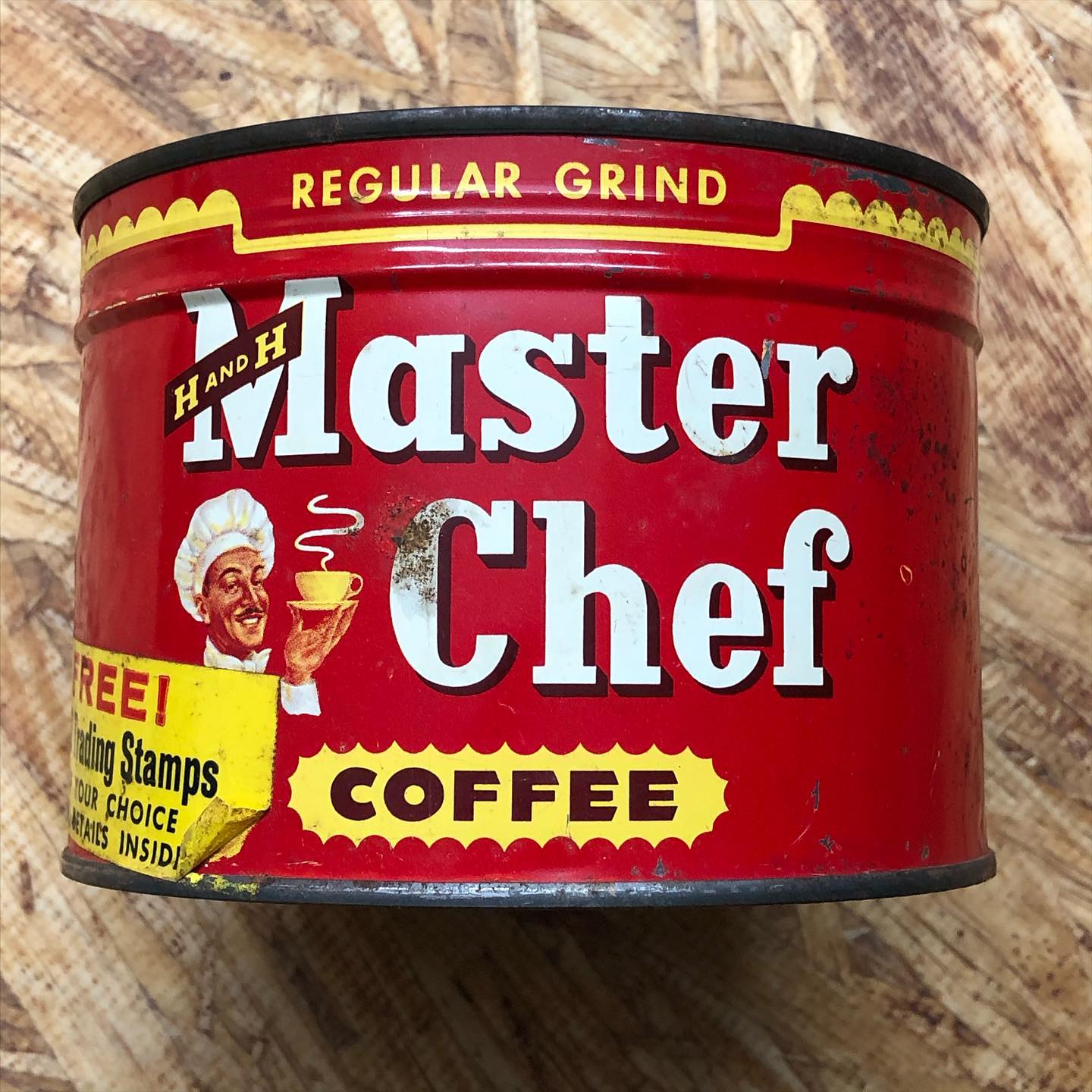
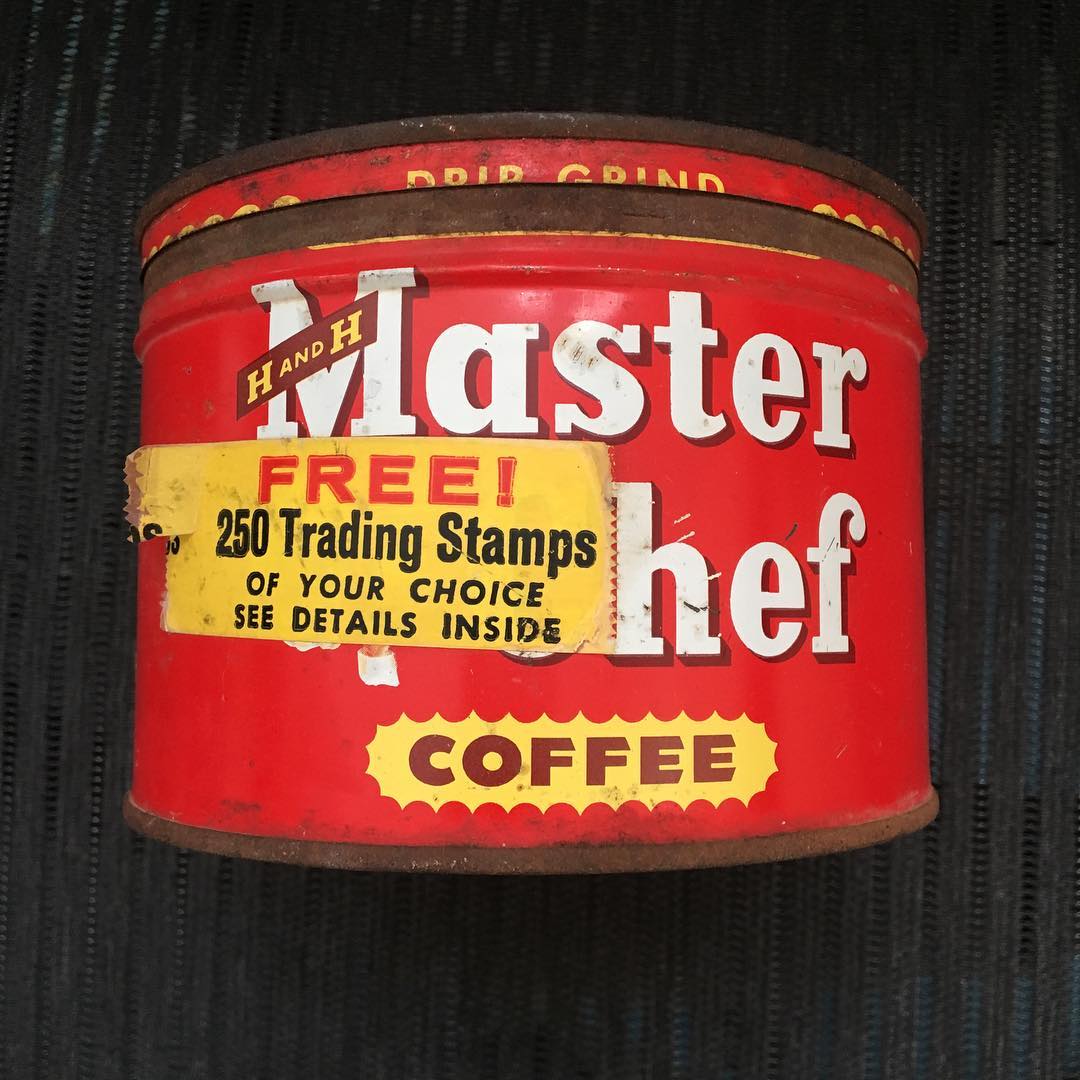
Master Chef One-Pound Tin with 250 Trading Stamps Sticker
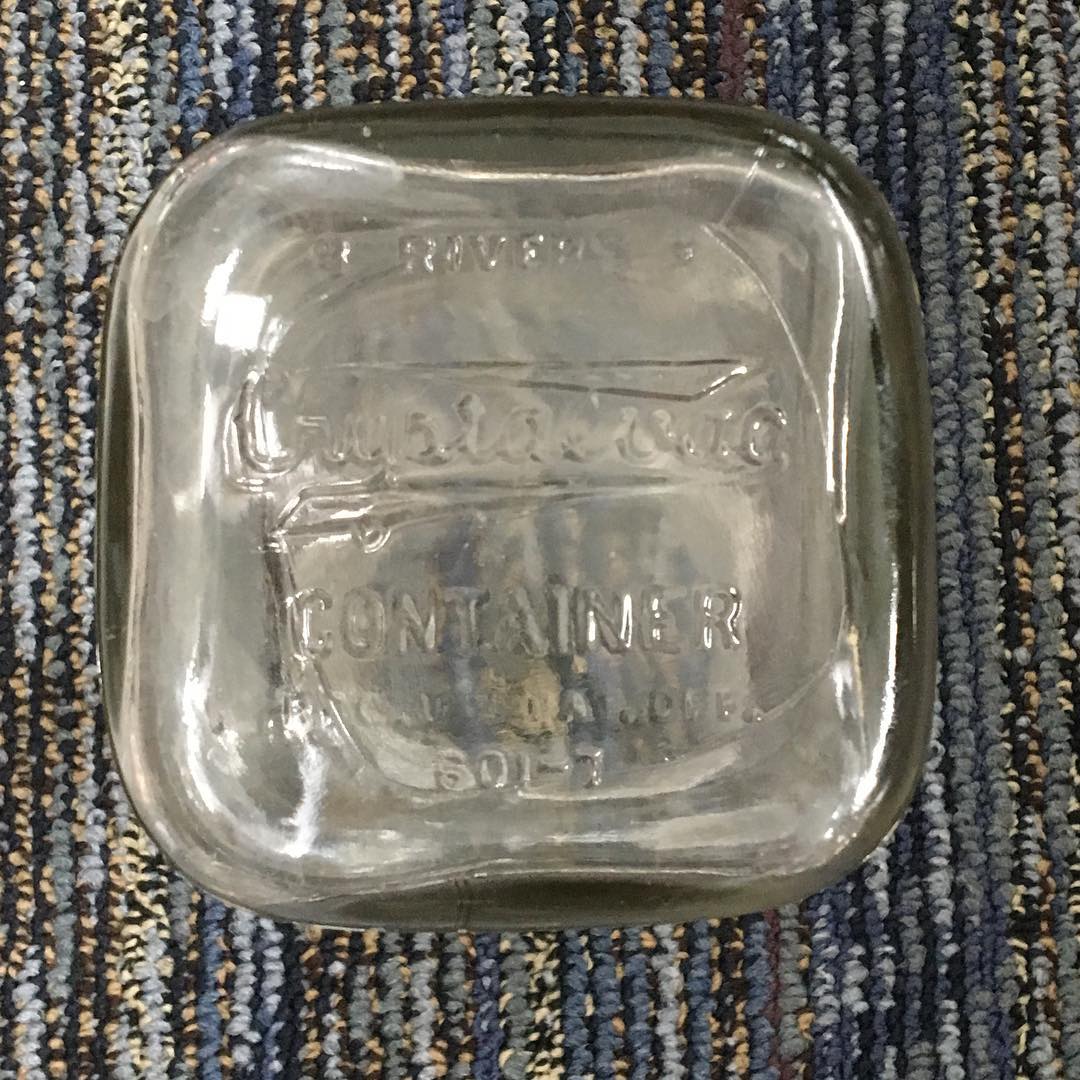
One-Pound Crystalvac Jar, Three Rivers Mold 601-7
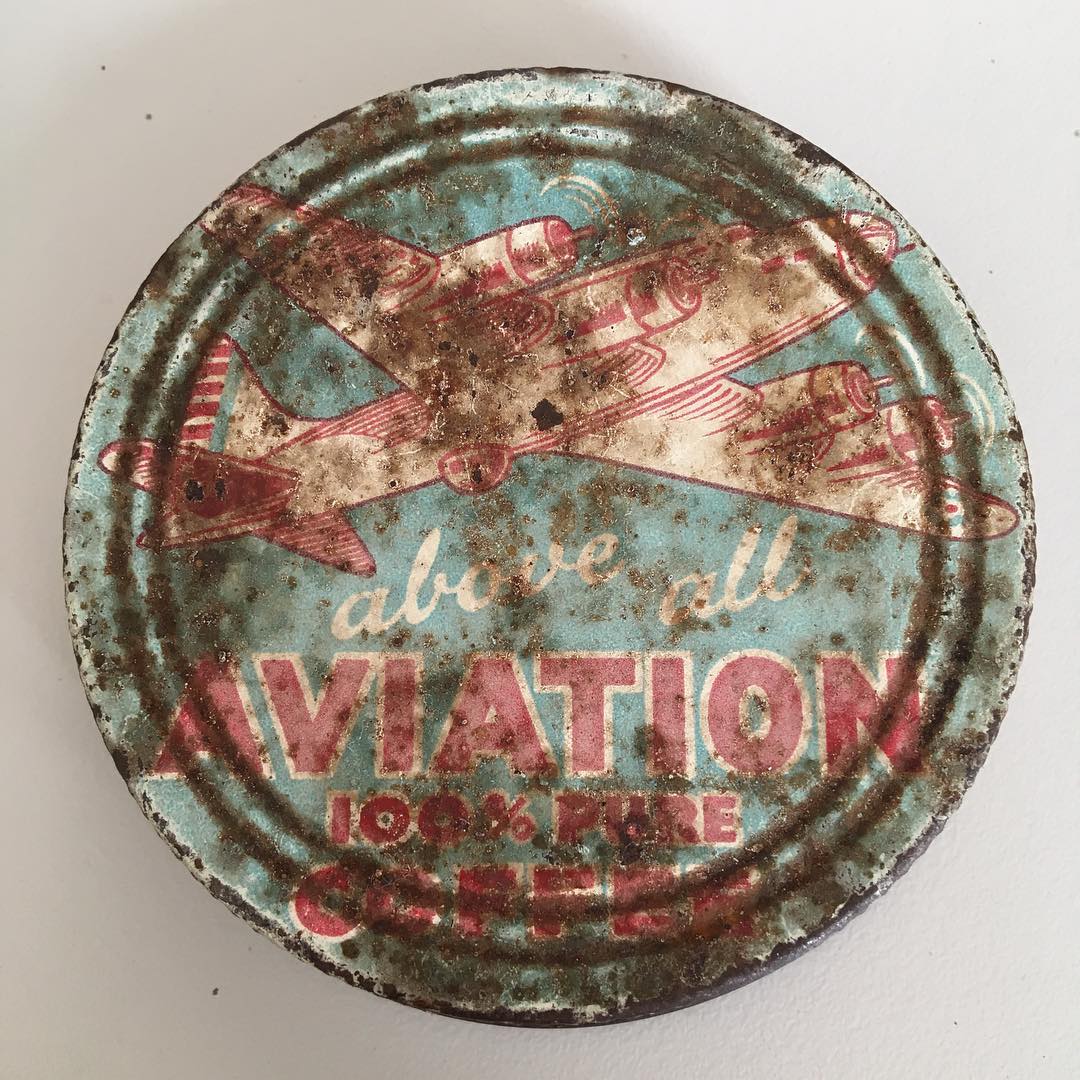
Aviation Brand Coffee Lid — Tucker Coffee Co.
Three-Pound Crystalvac Jar with Wire Handle and Original Red Lid
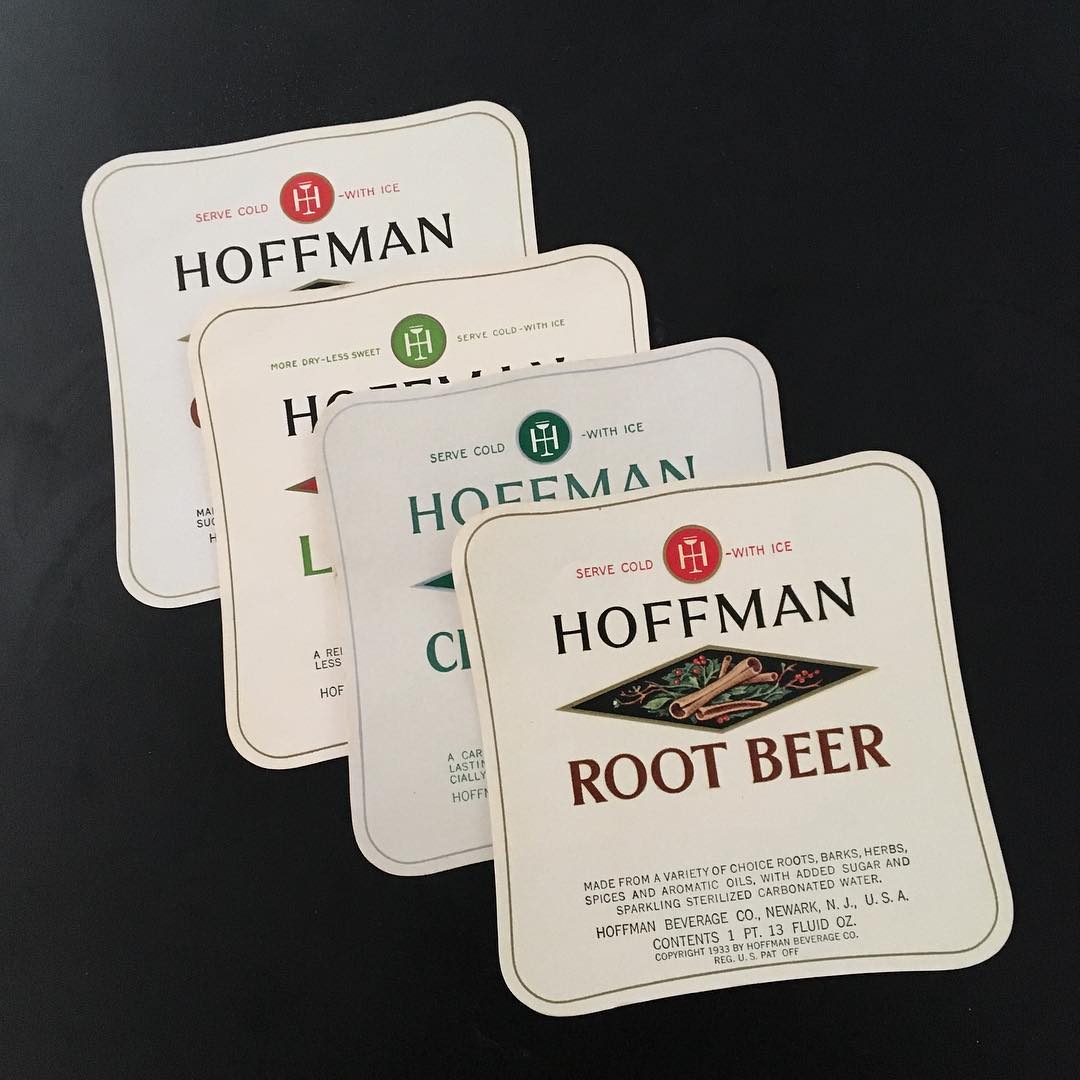
Hoffman Beverage Co. Soda Labels, Newark NJ 1933
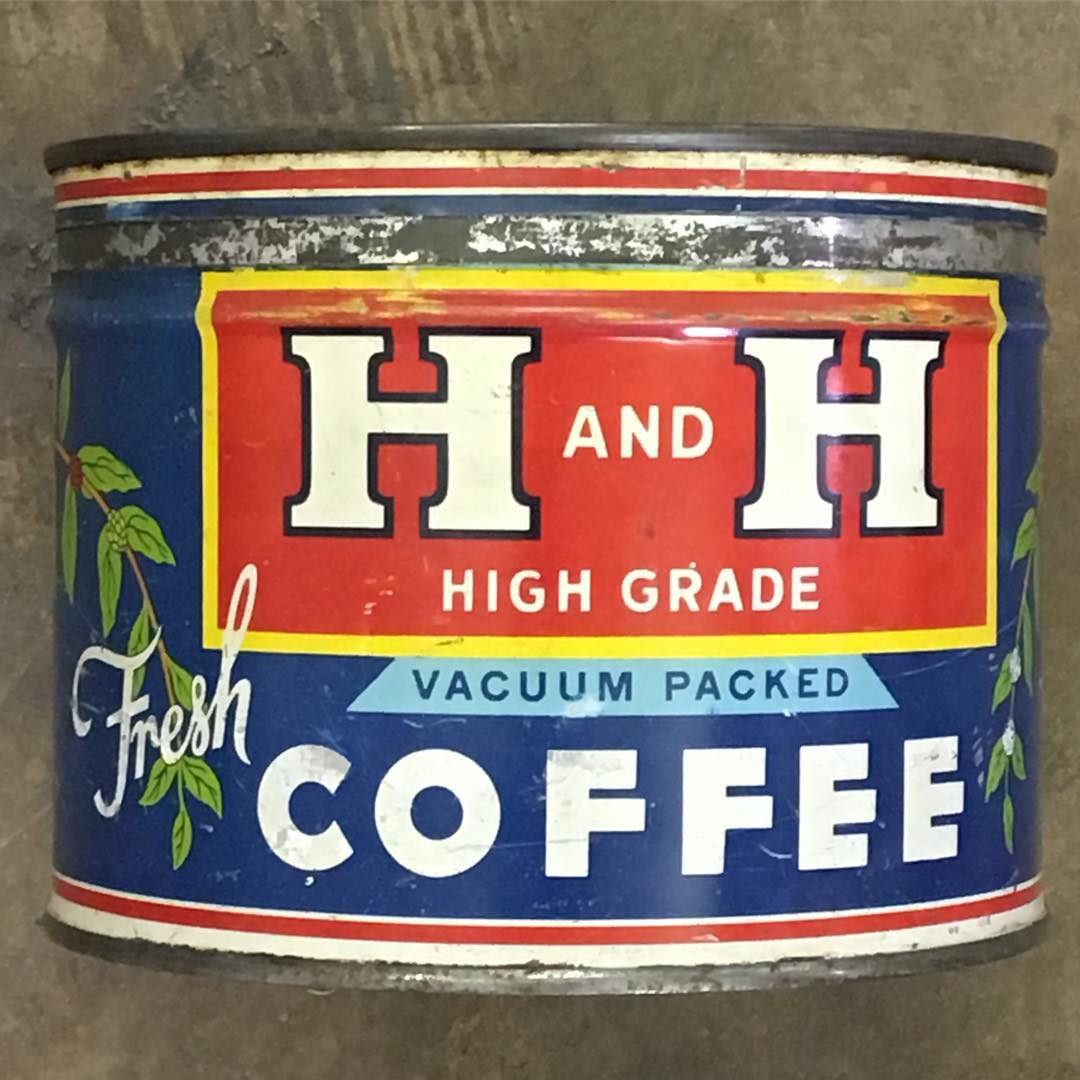
H and H High Grade — One Pound Tin With Matching Lid
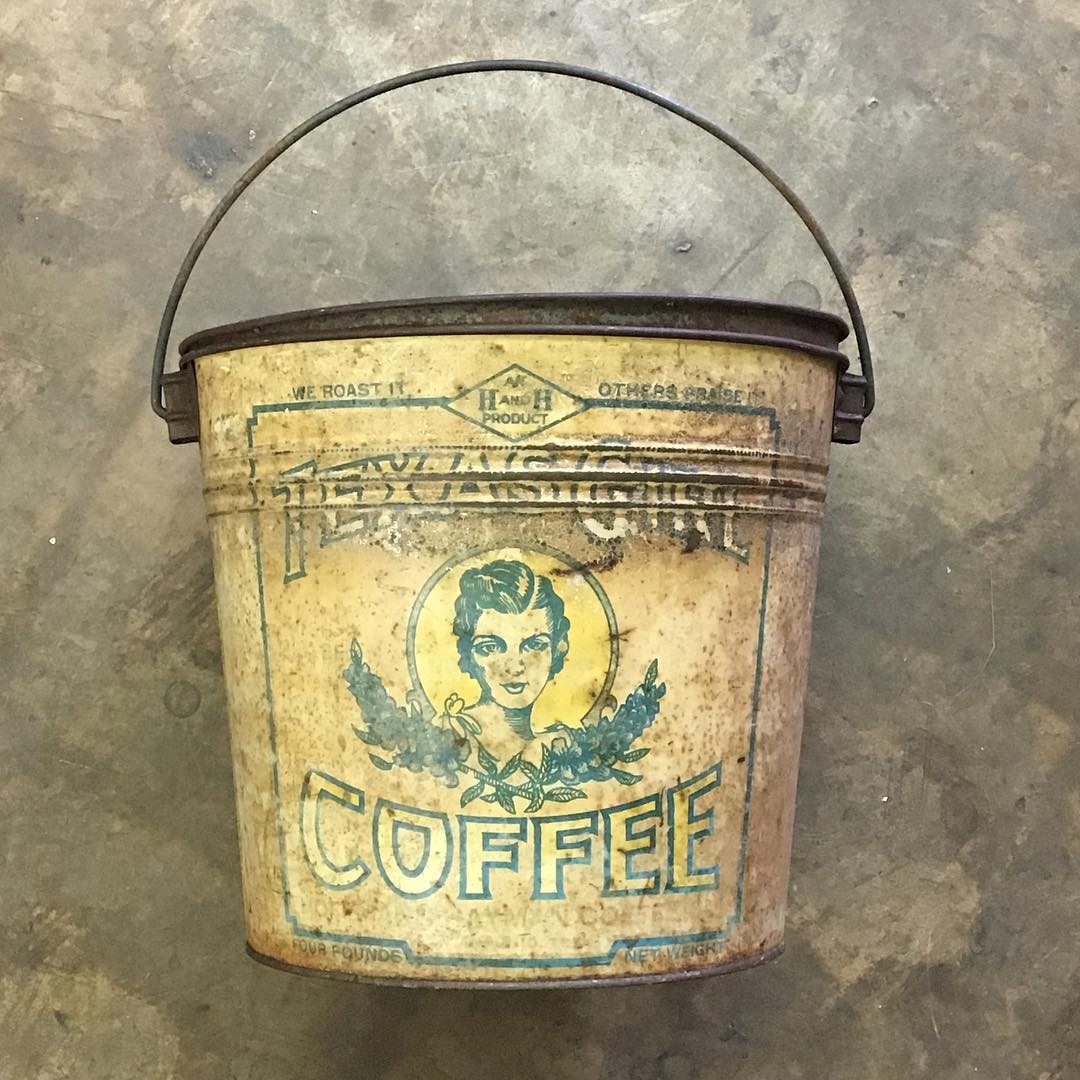
Texas Girl Coffee Four-Pound Pail
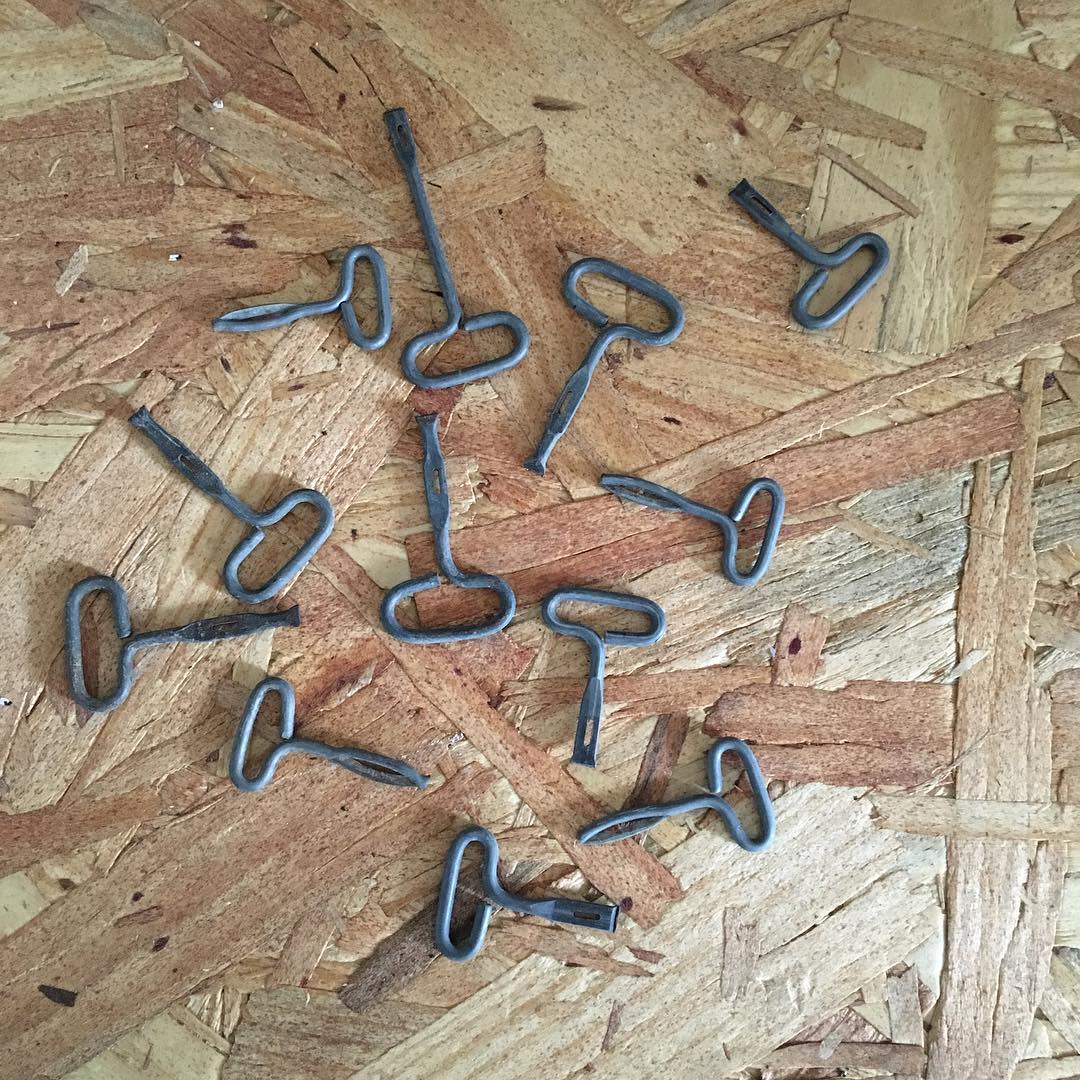
Lot of Twelve Keywind Coffee-Tin Keys
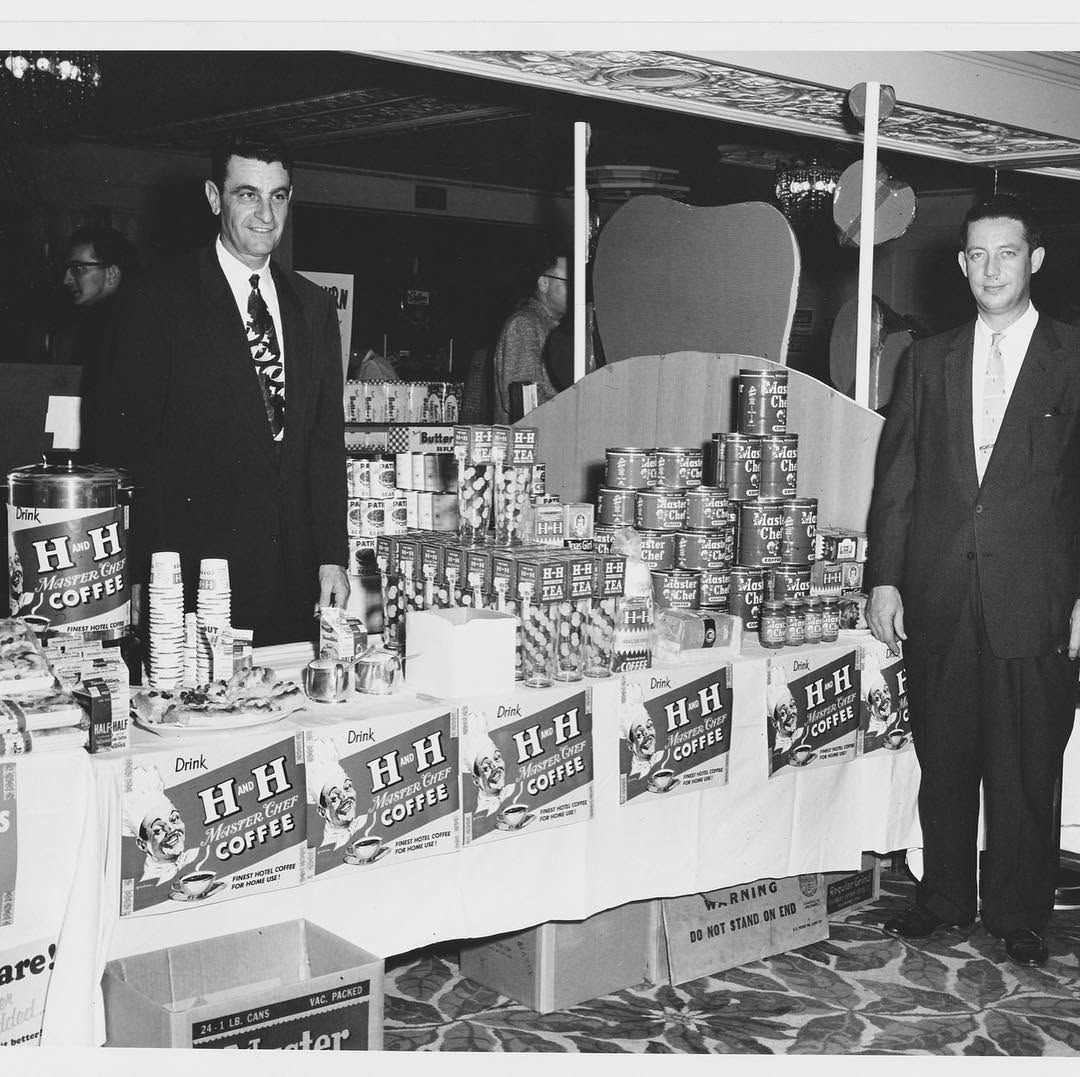
H and H Master Chef — Manufacturers Association Booth
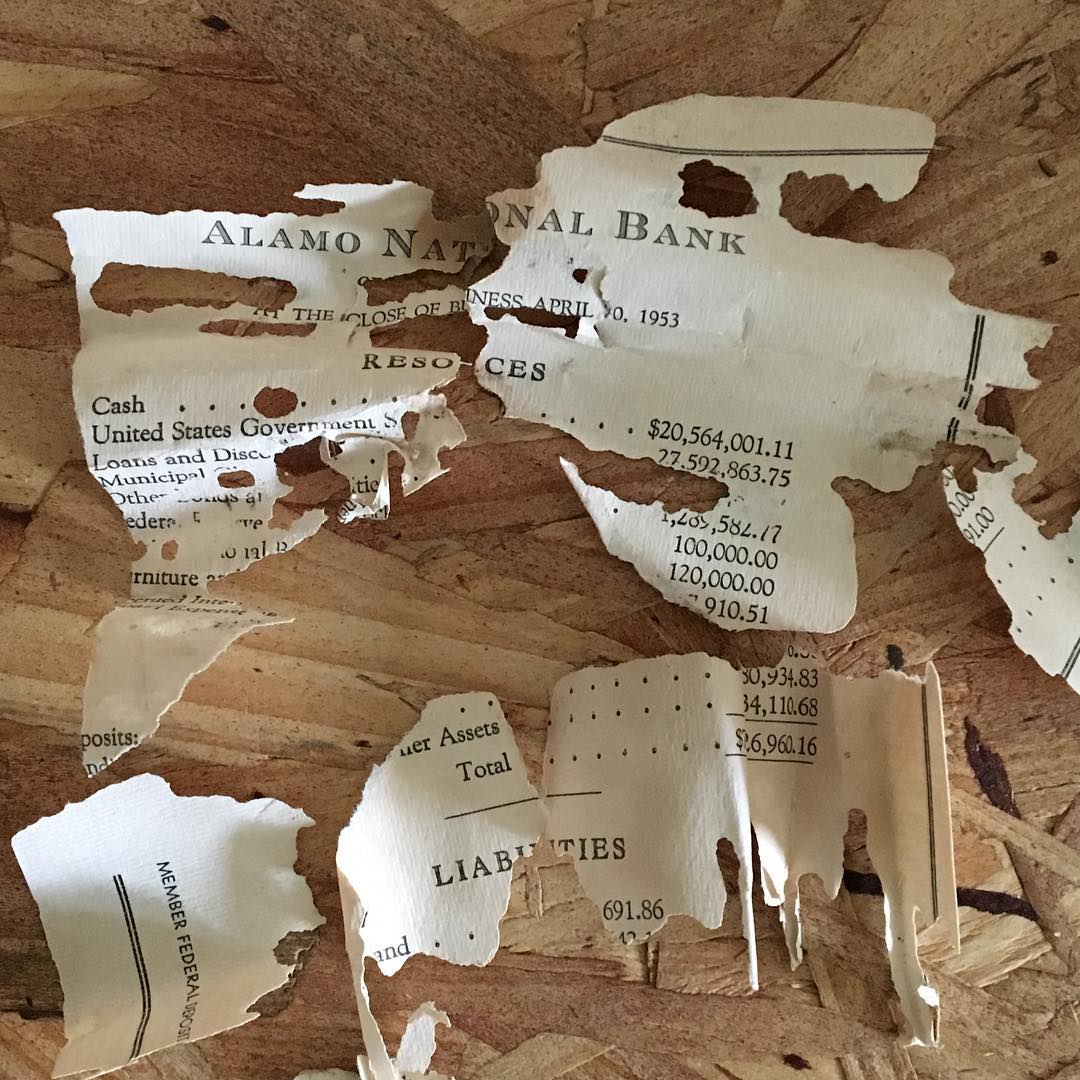
Alamo National Bank Statement Fragments — Found in the Wall
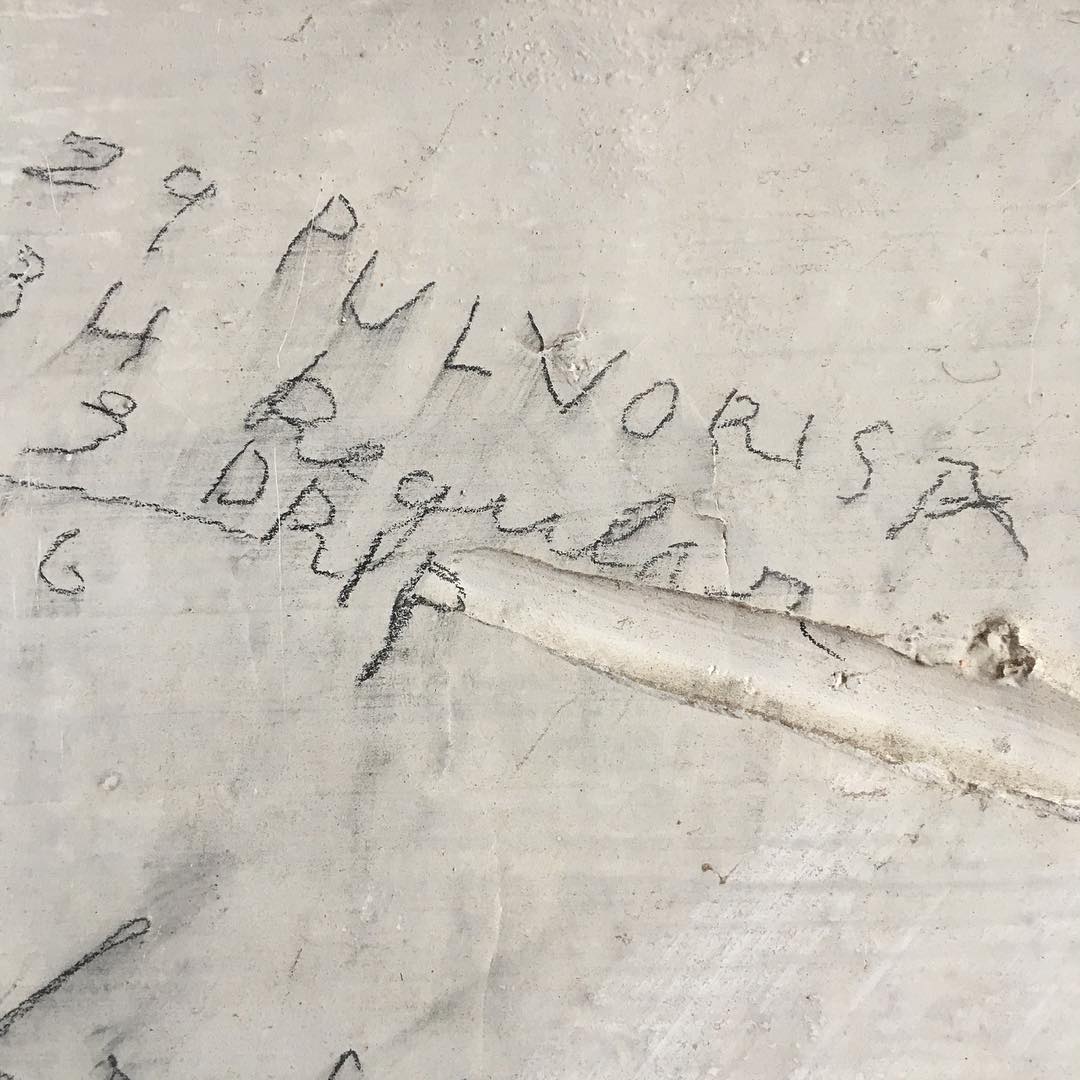
Keeping Inventory in the 1940s — Wall Notes
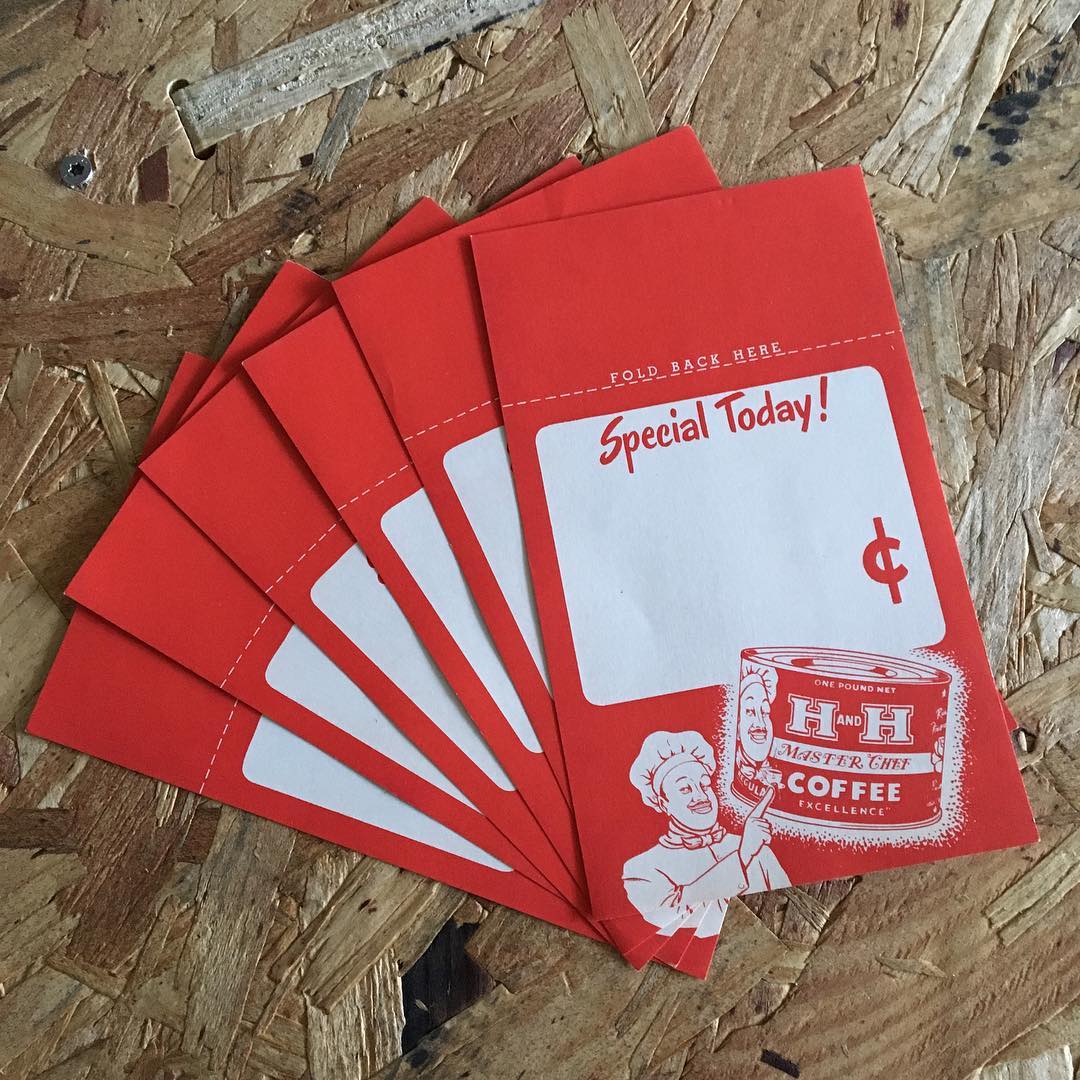
Master Chef price cards — Houston, 1950s
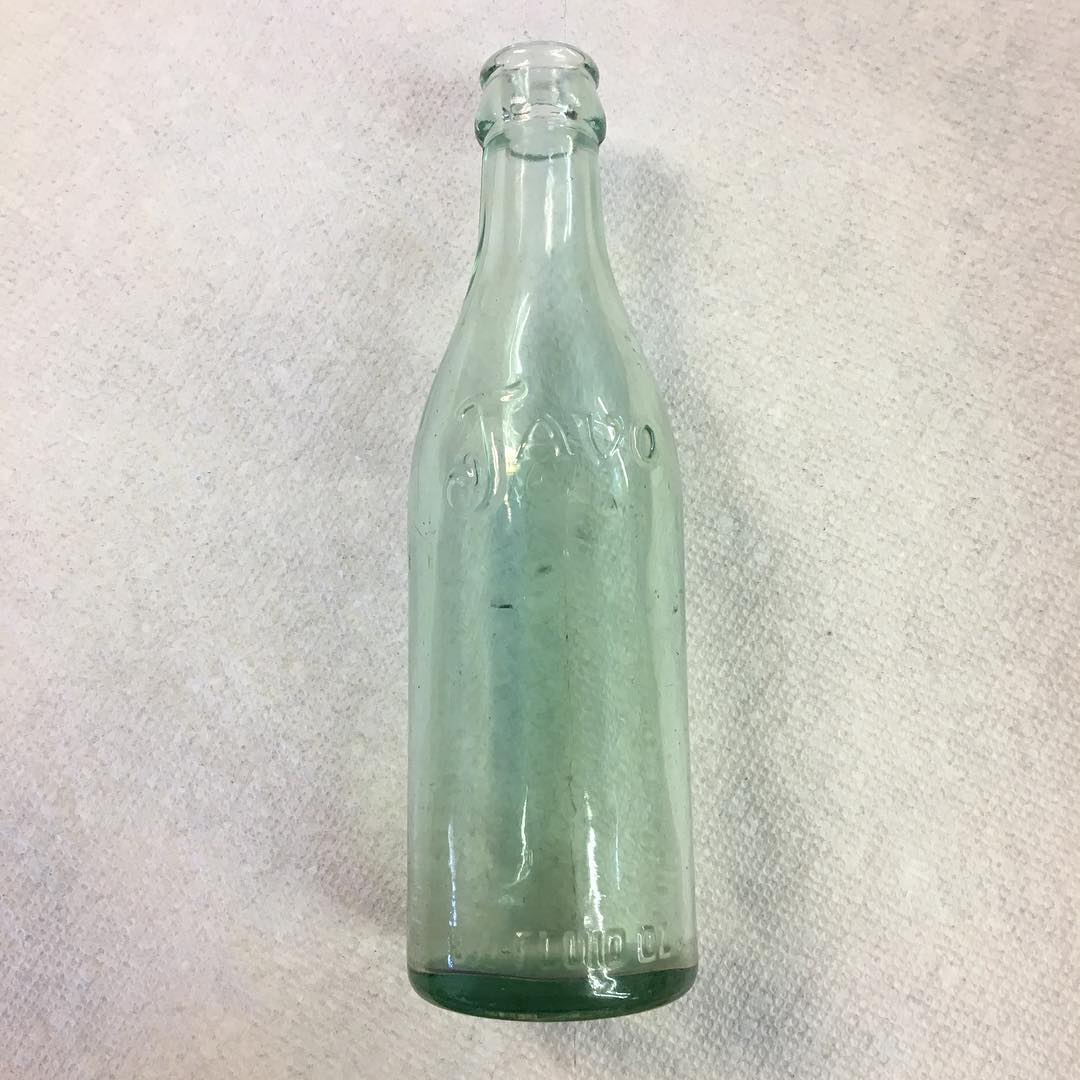
Javo Bottled Coffee — Aqua Glass Bottle
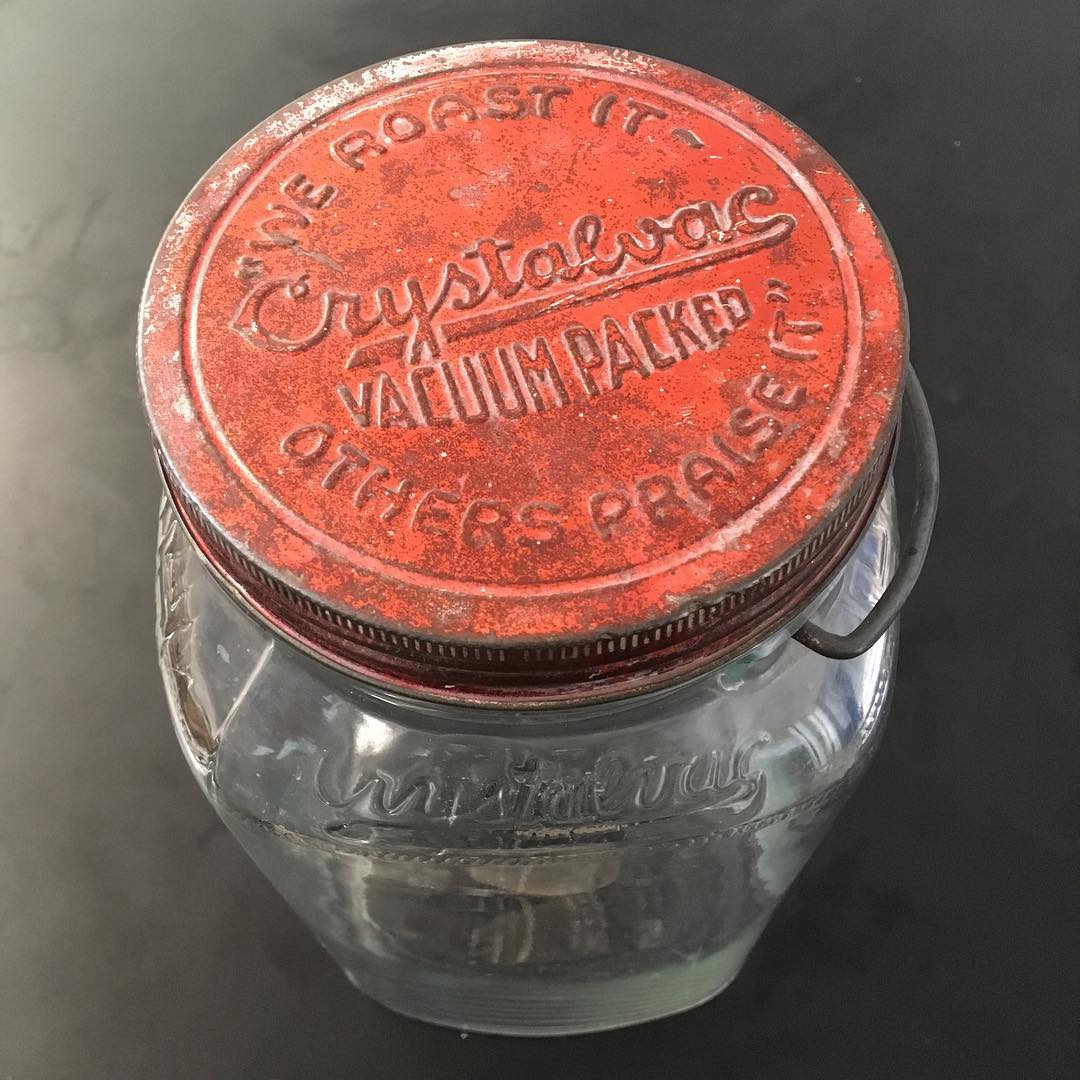
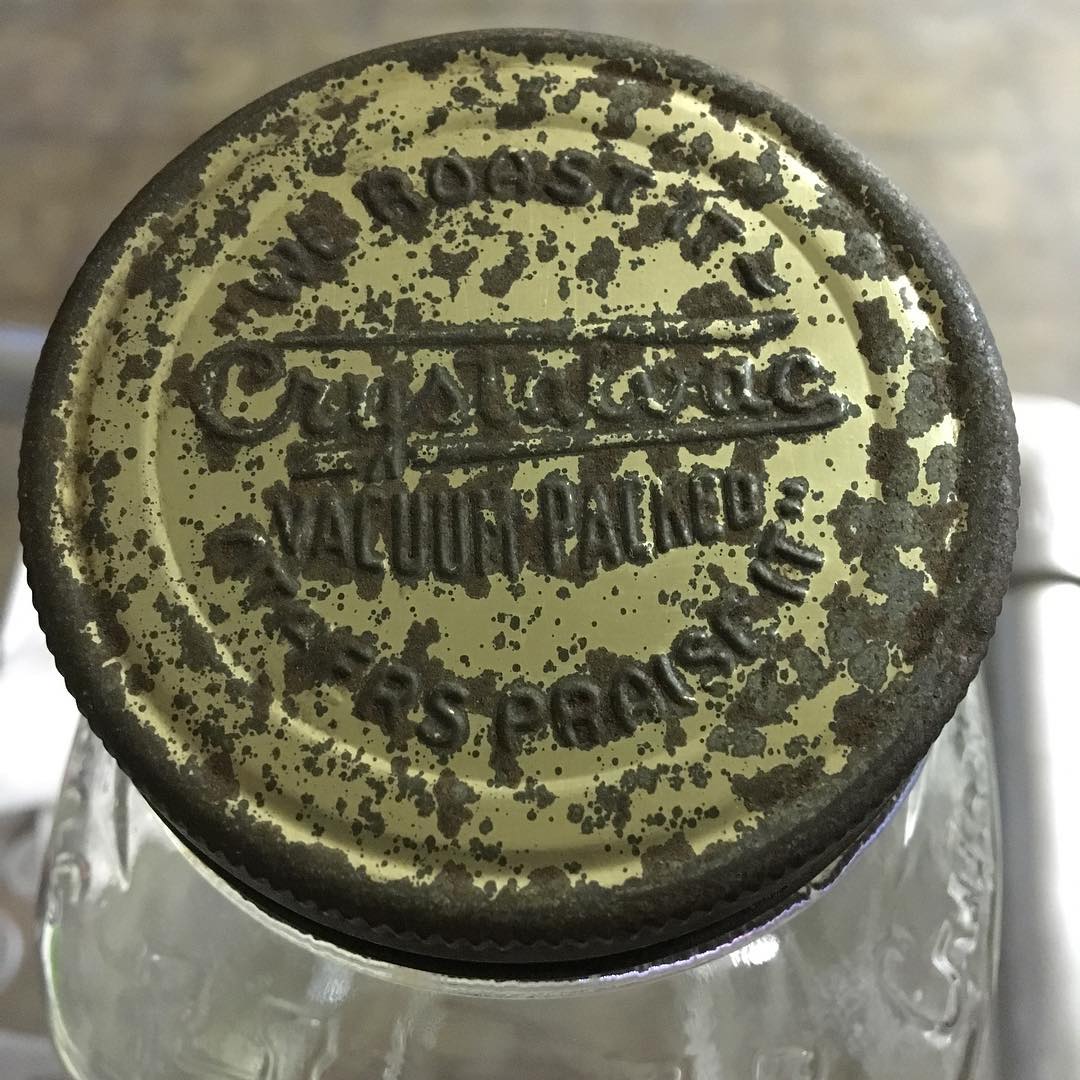
Crystalvac Jar Lid — We Roast It / Others Praise It (Embossed Metal)
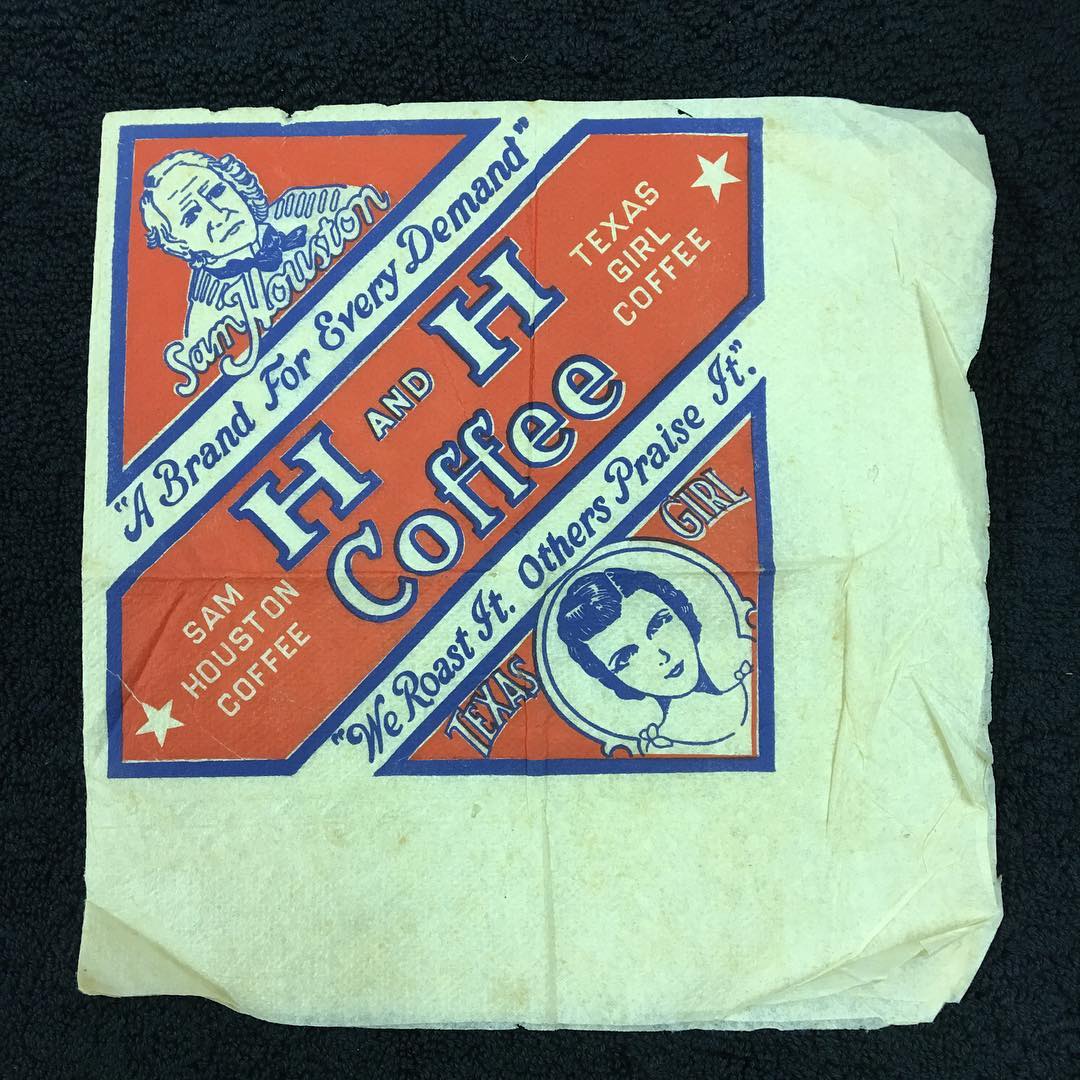
H and H Coffee Promotional Paper Napkin — Sam Houston & Texas Girl
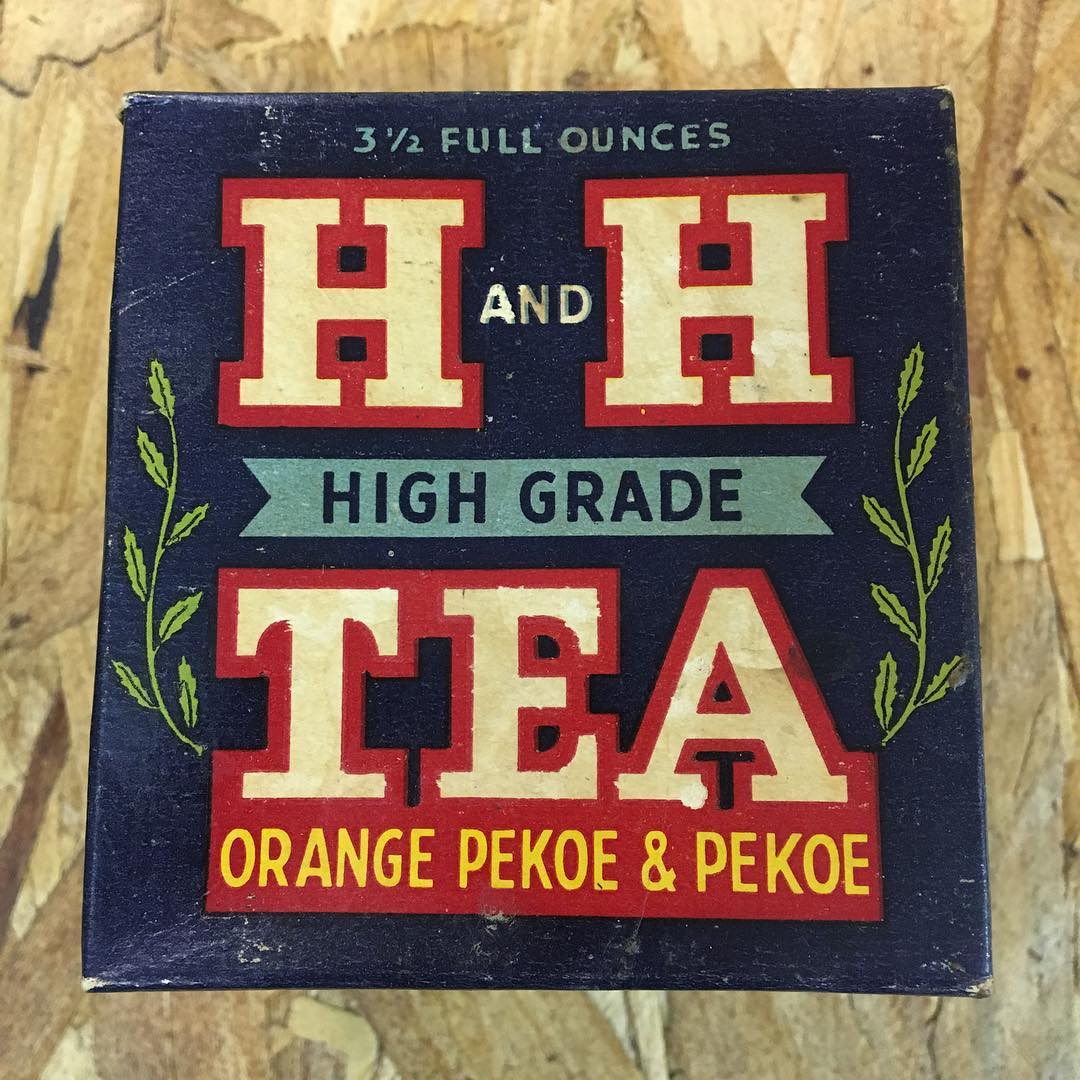
Unopened H and H High Grade Orange Pekoe & Pekoe Tea Carton
We Roast It / Others Praise It — H and H Blend Embossed Lid
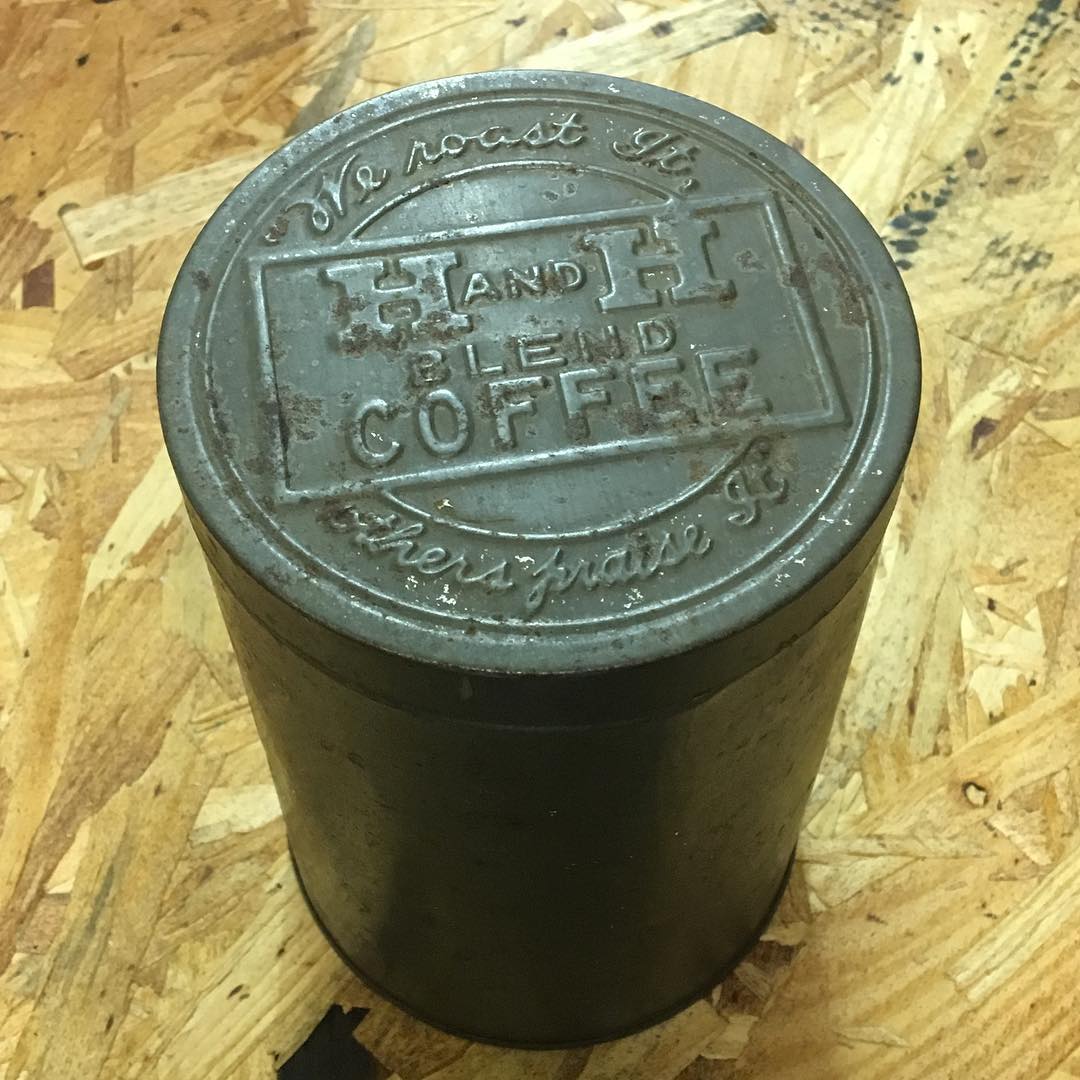
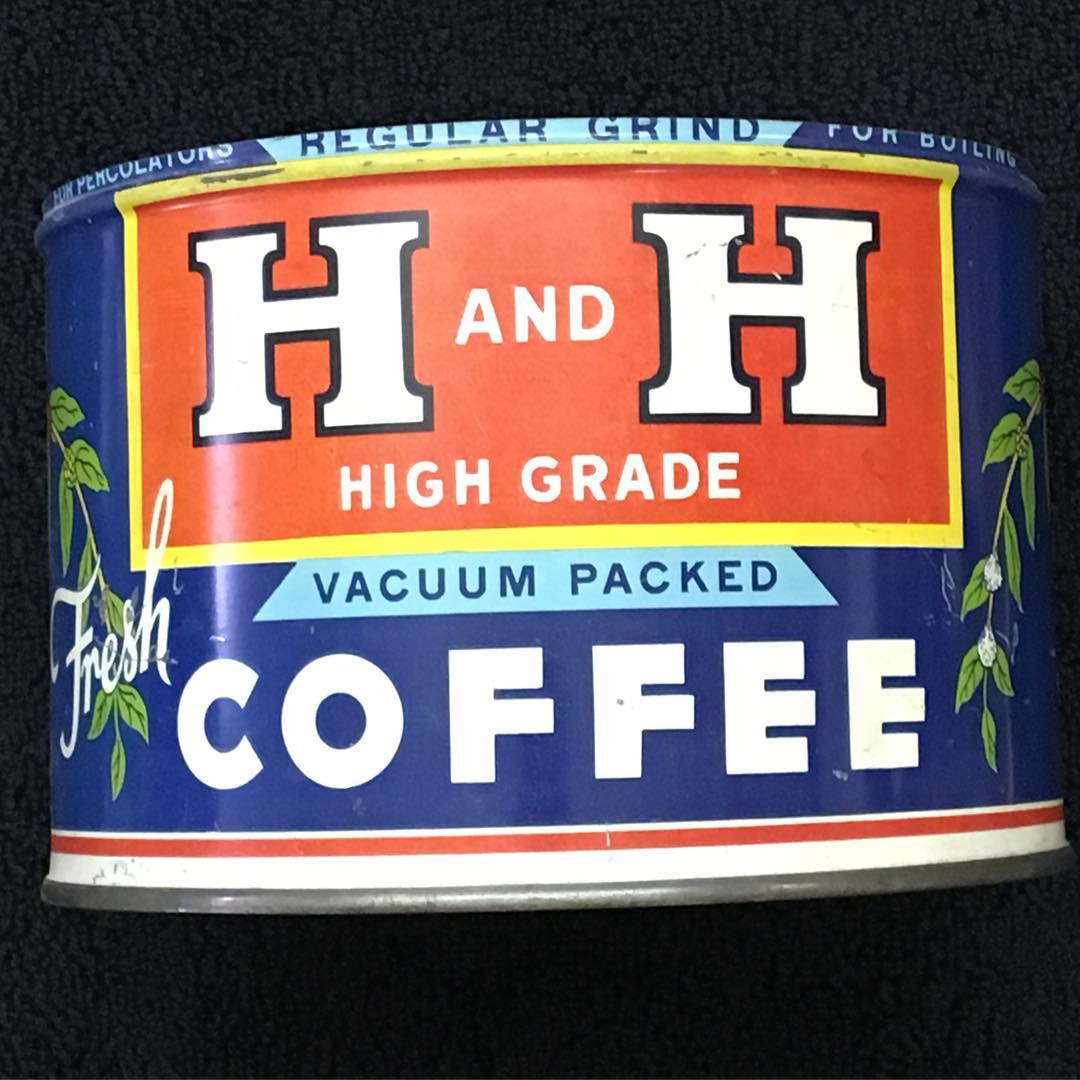
H and H High Grade Coffee — One Pound Tin
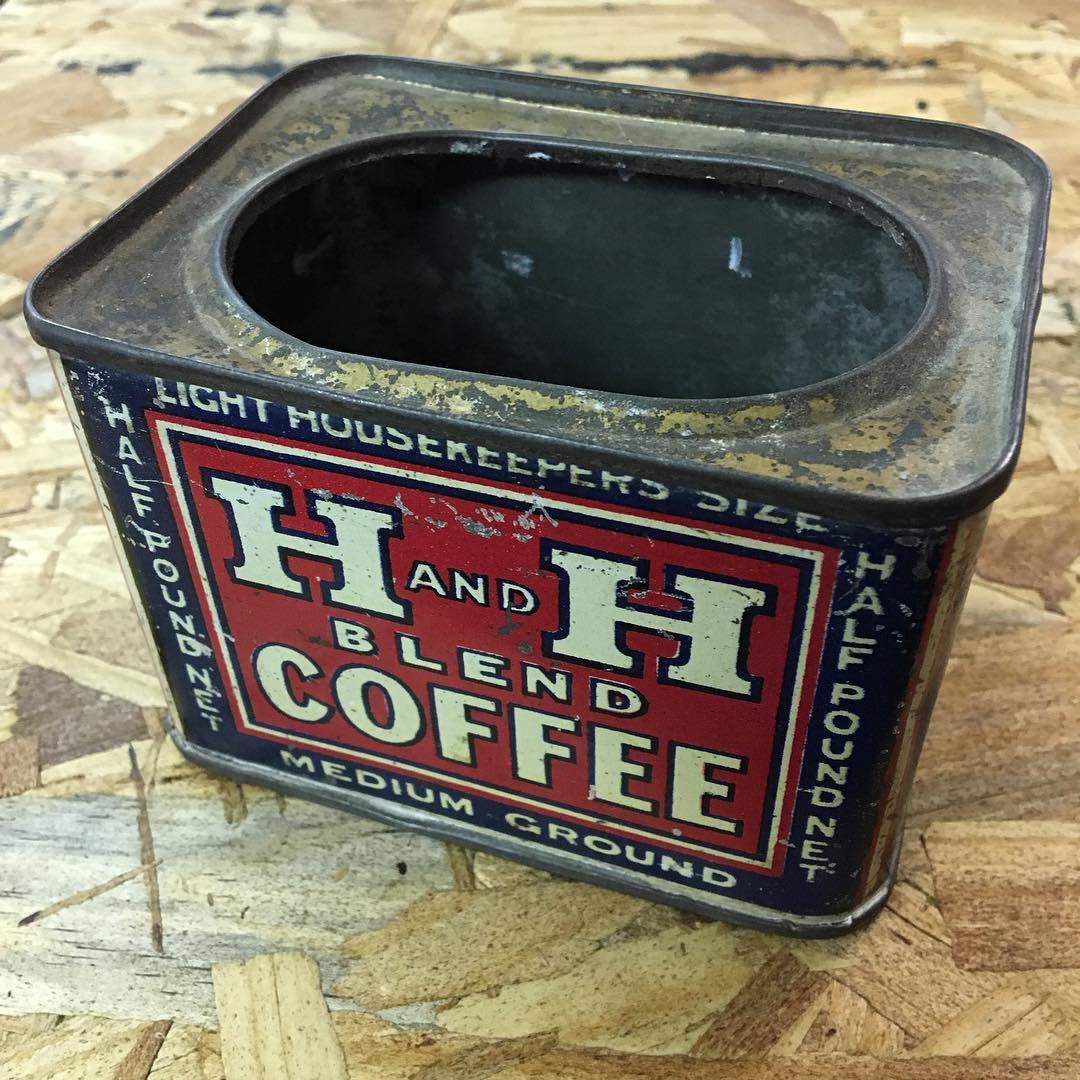
H and H Half Pound Blend — Light Housekeepers Size (1920s Label)
Second of two Light Housekeepers half-pound tins—this one bought from Wolf Henning von Kameke in Germany in March 2017 **with its lid** (the eBay specimen is lid-missing).
Clear Crystalvac Quart Jar, Mold 601-1
H and H Blend — Light Housekeepers Half-Pound Tin (Feb 2017)
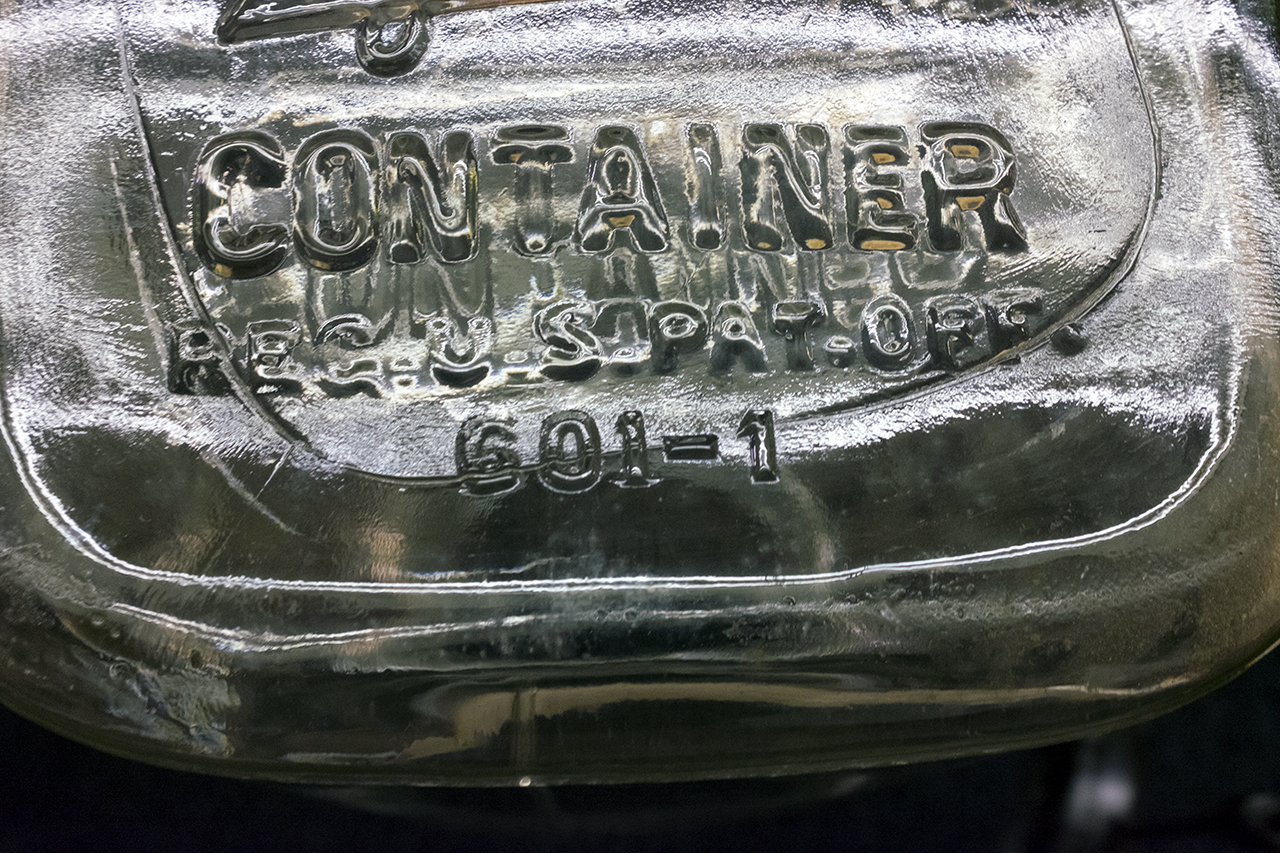
One Pound Three Rivers Crystalvac Jar
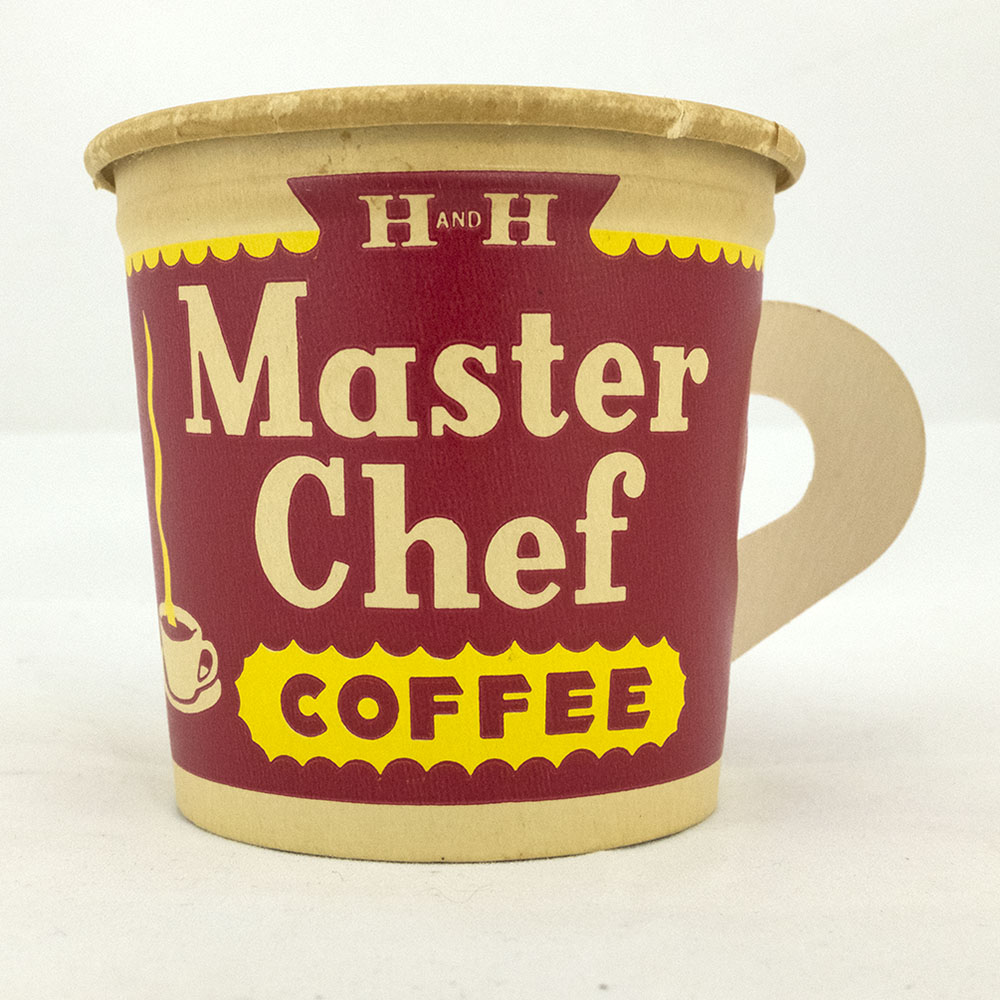
H and H Master Chef Handi-Handle Sample Cup
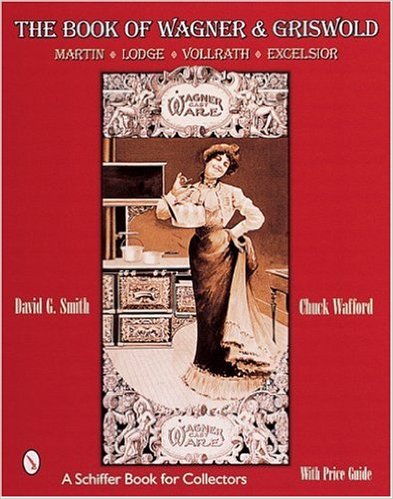
Wagner Ware No. 4 Coffee Scoop — H and H Coffee Co.
Simpson & Doeller Co. — H and H Blend Tin Marking
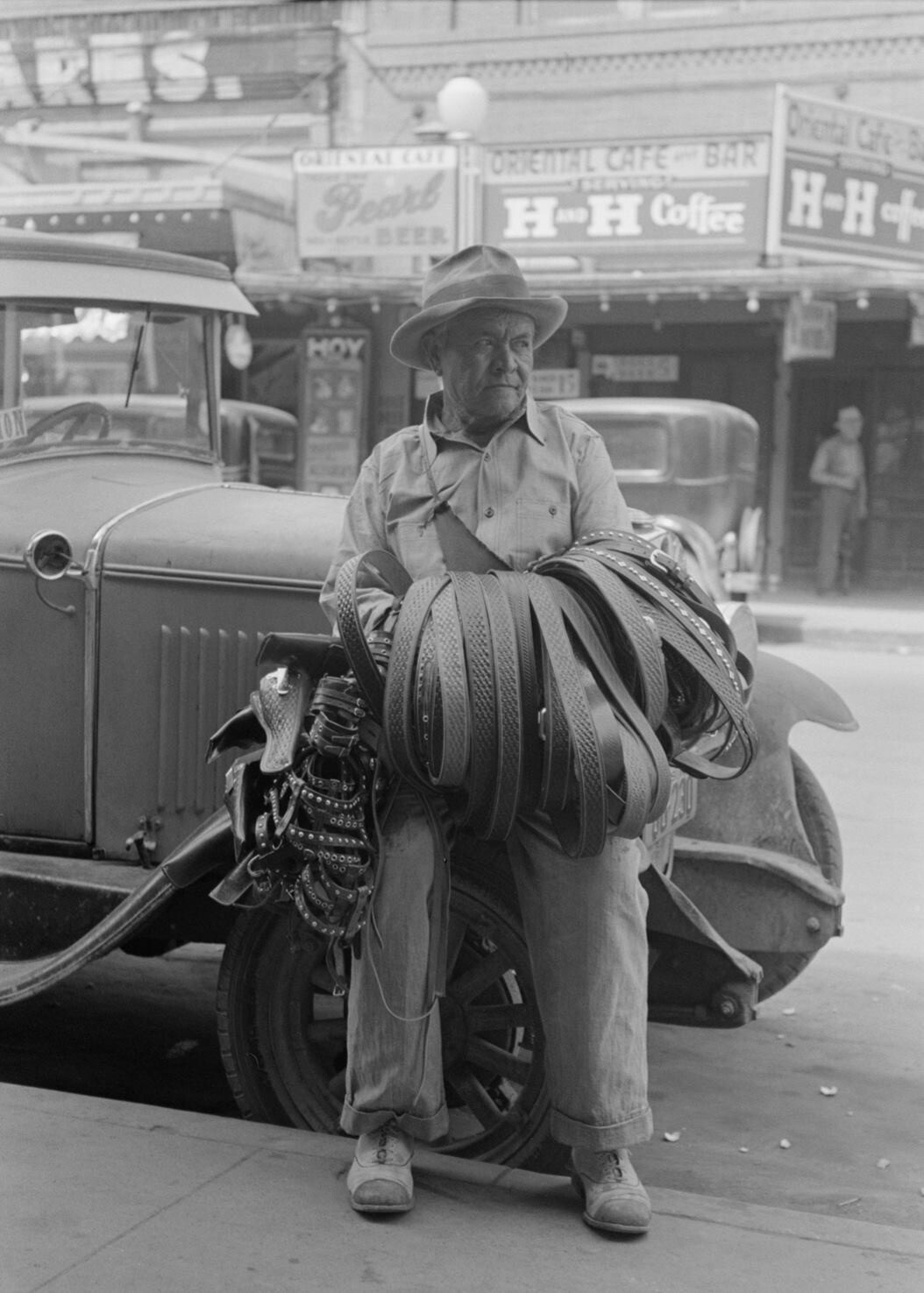
Oriental Cafe and Bar — "Serving H&H Coffee" Storefront Sign, San Antonio
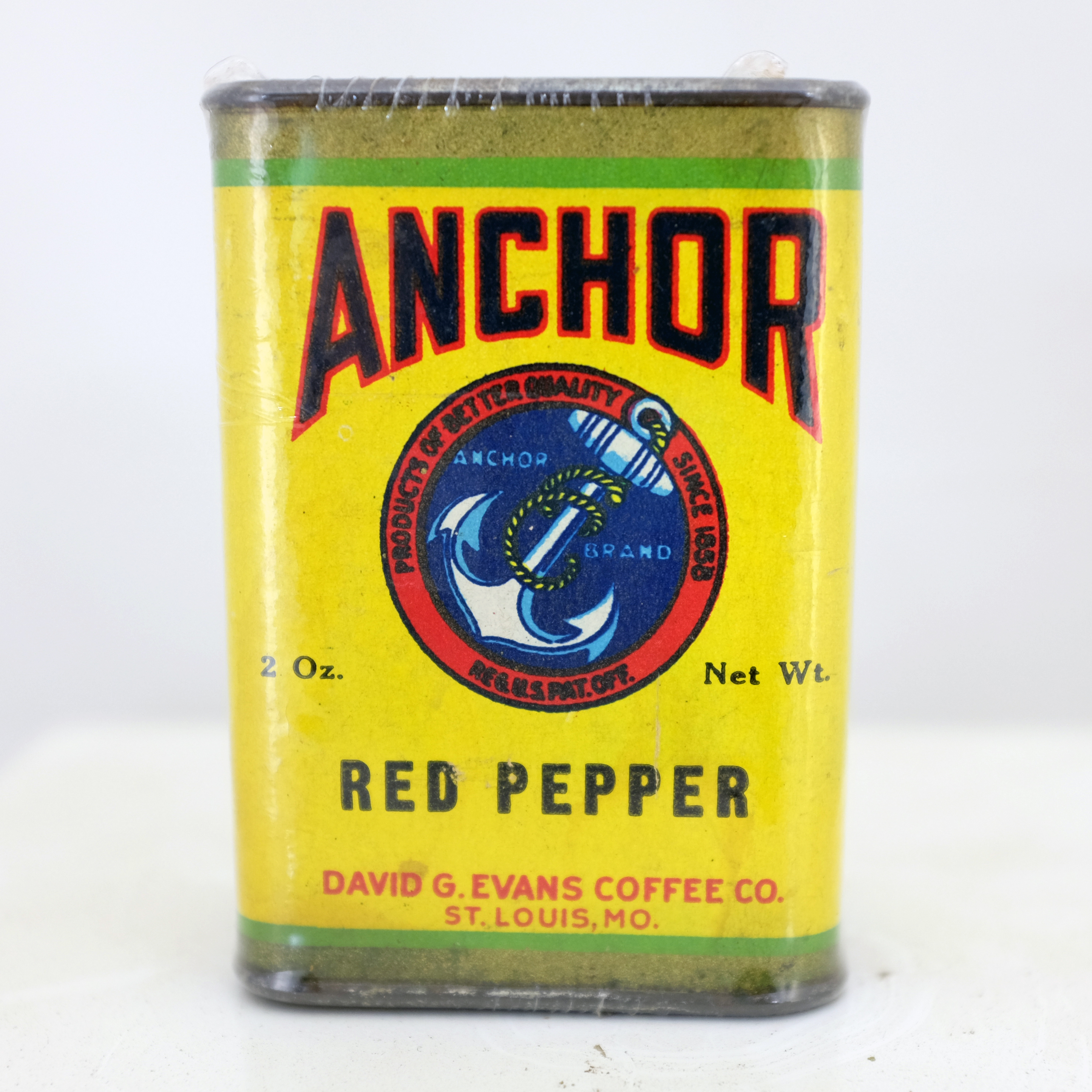
Anchor Brand Red Pepper Tin — David G. Evans Coffee Co.
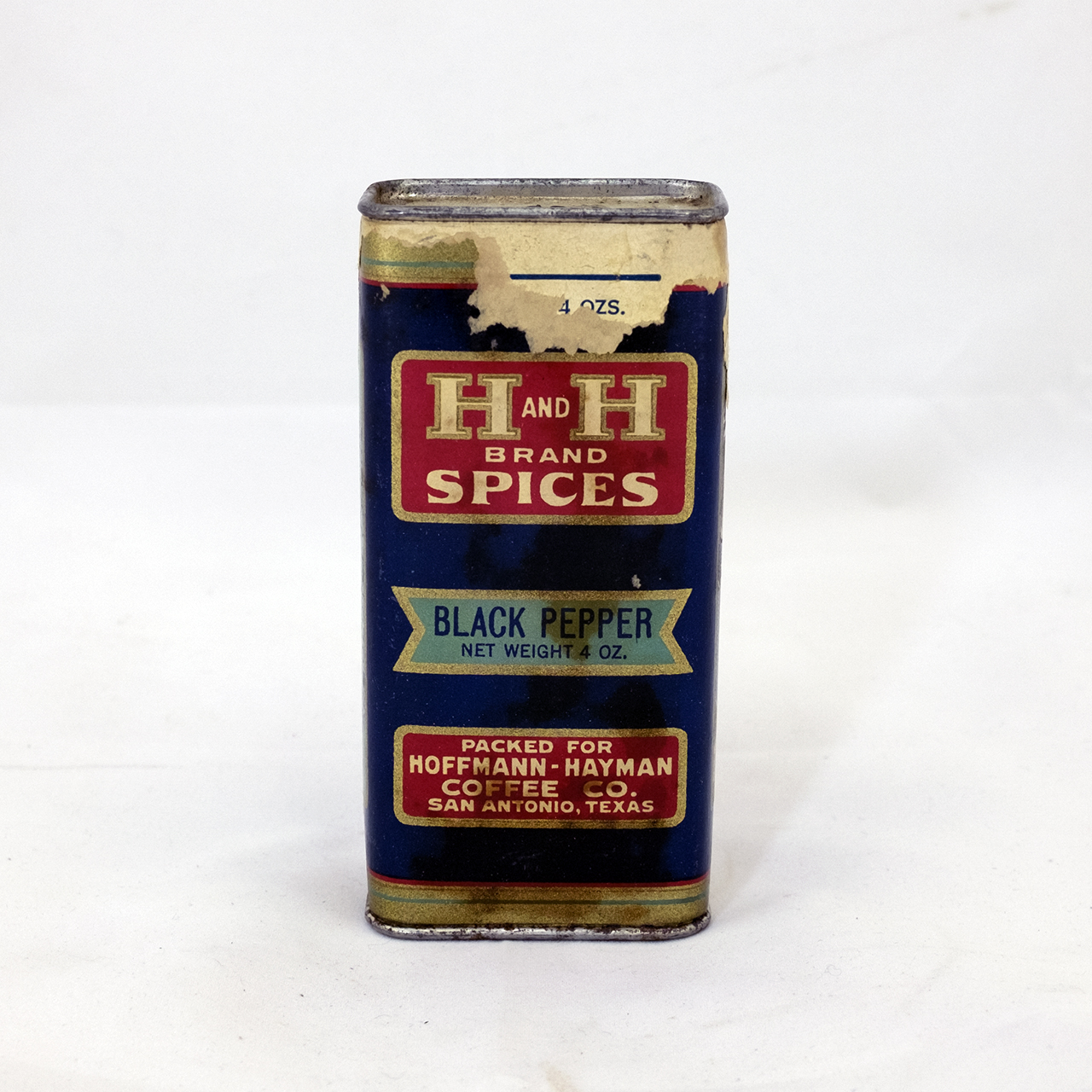
H and H Spices Black Pepper
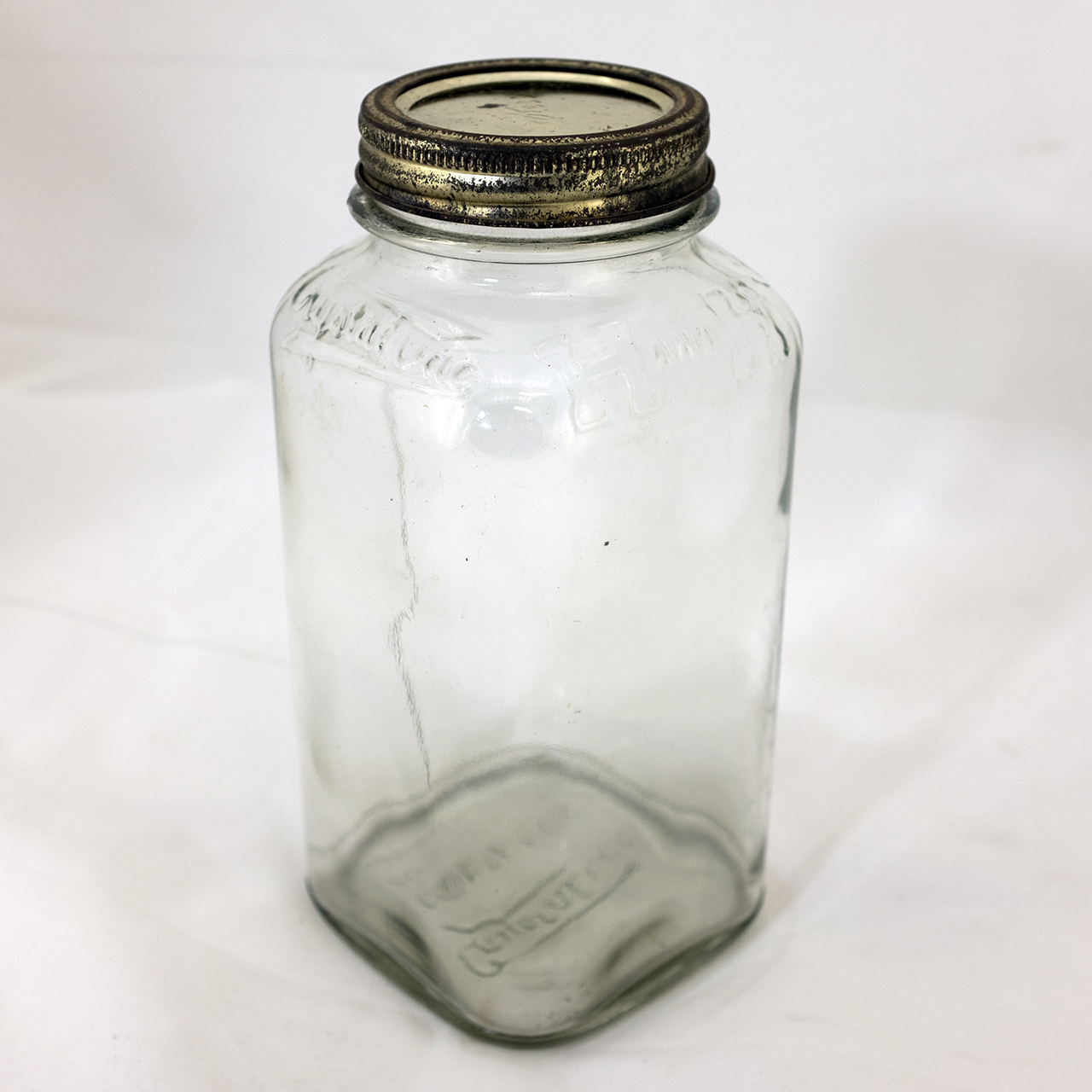
Small Crystalvac Coffee Jar
Two Master Chef Pulverized One-Pound Keywind Tins
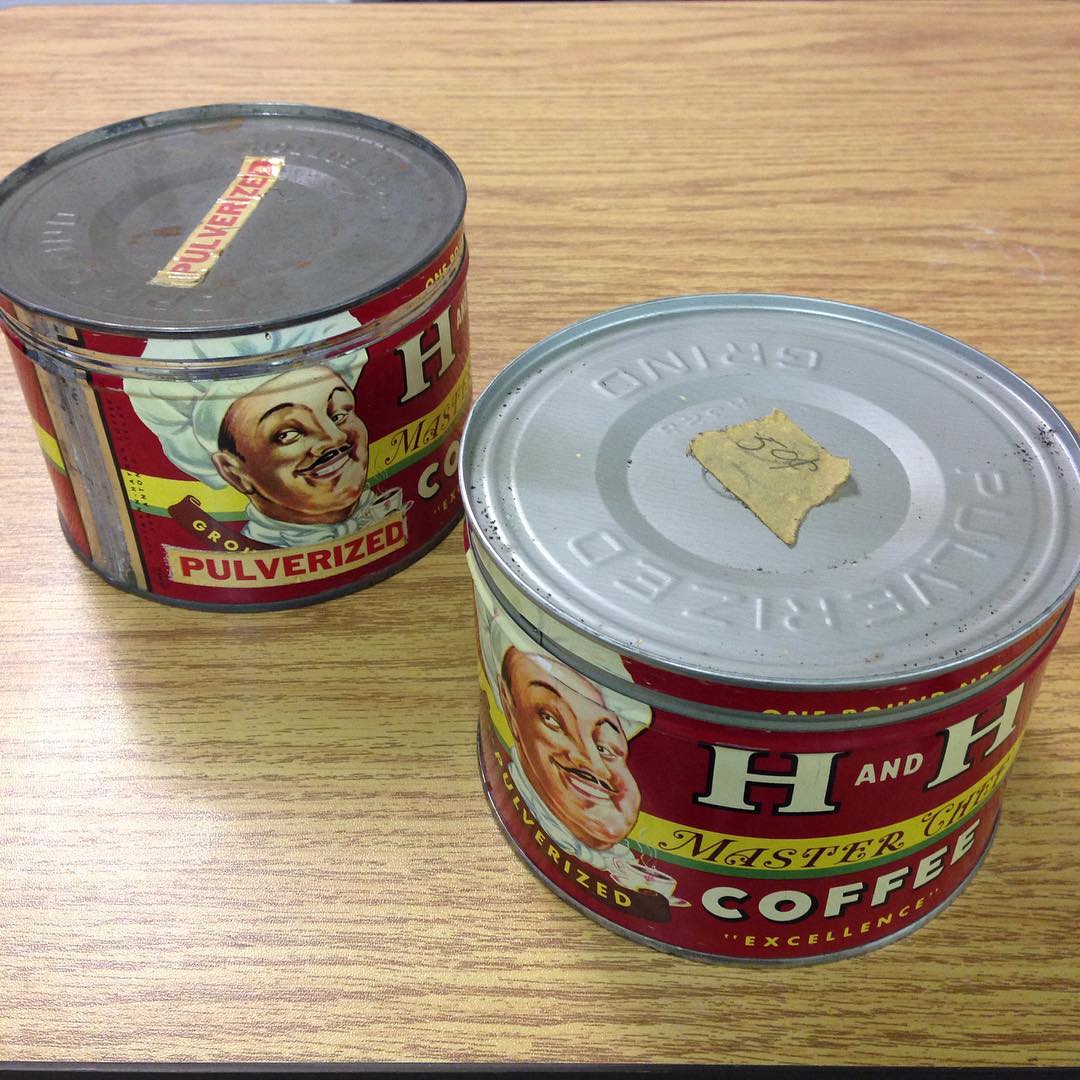
H and H Master Chef One-Pound Tin — San Antonio (Etsy)
Small Amber Crystalvac Coffee Jar
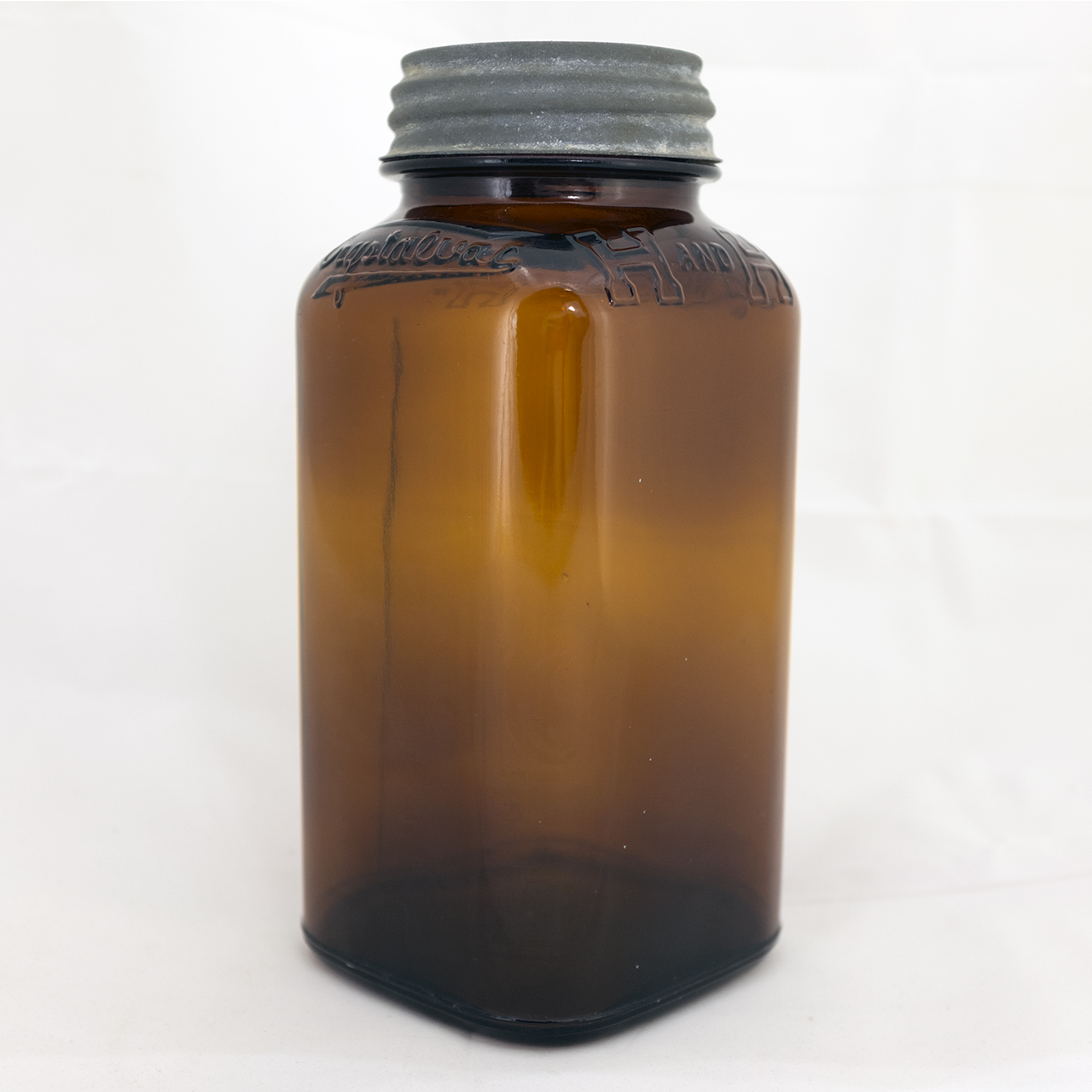
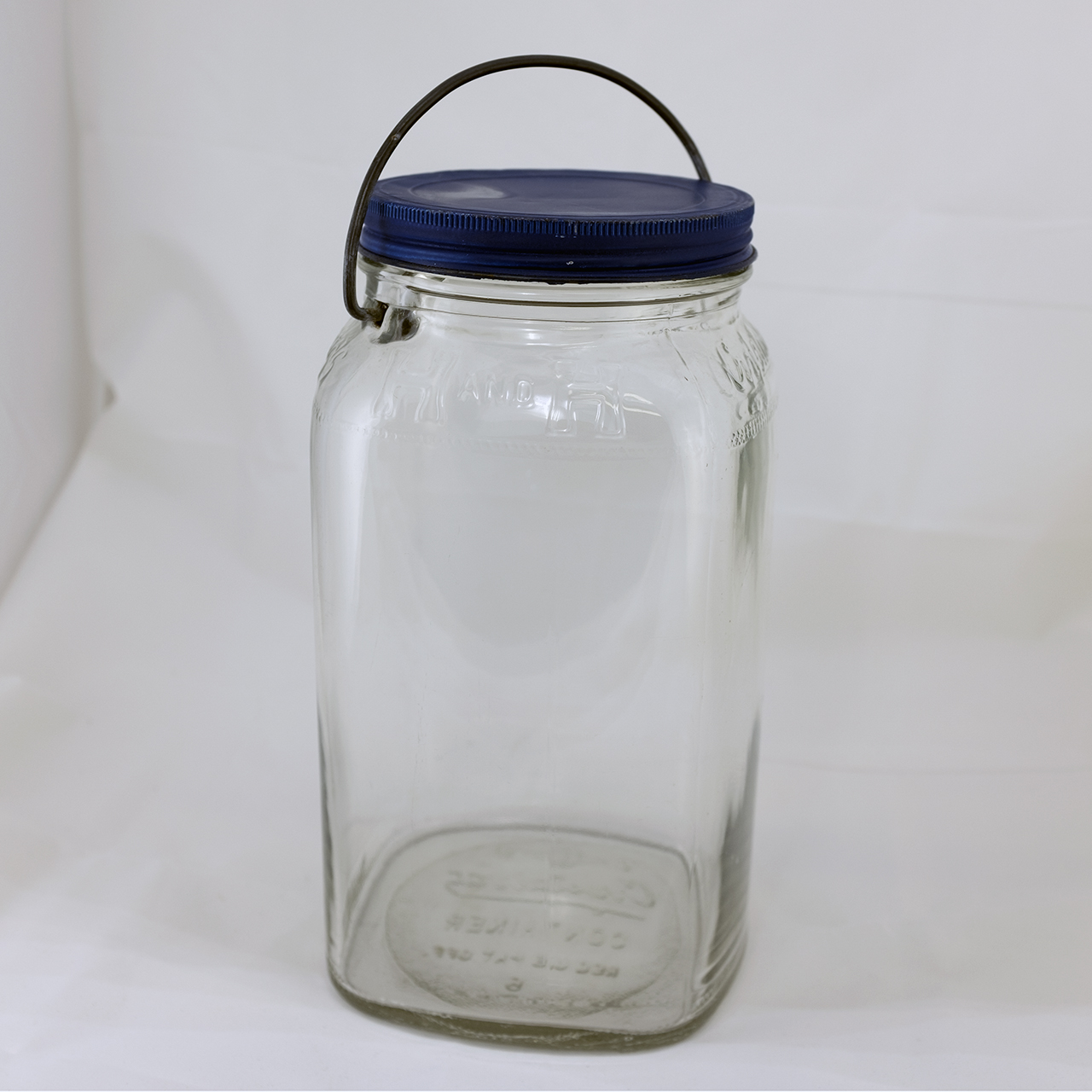
Large Crystalvac Coffee Jar
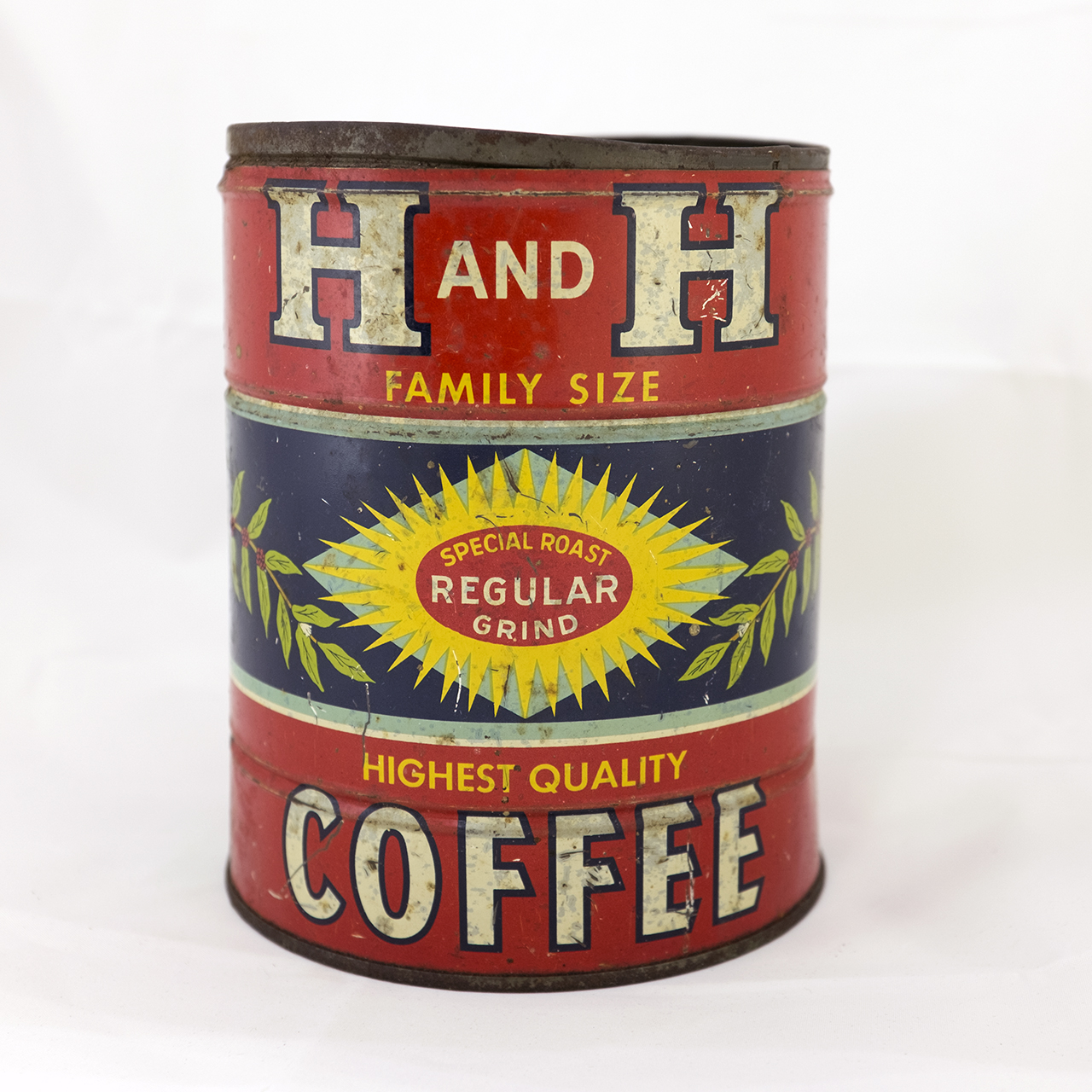
H and H Coffee Family Size Tin
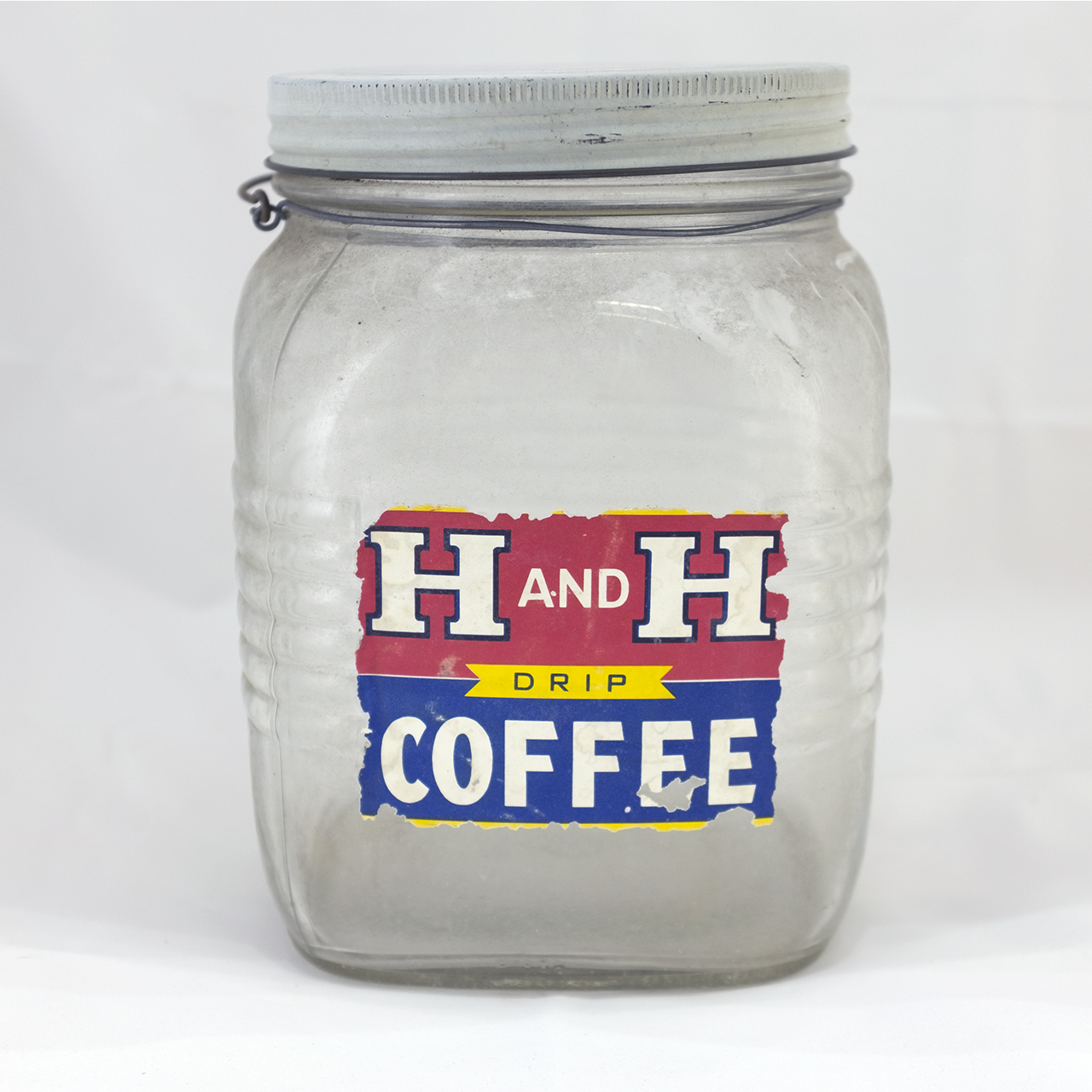
H and H Coffee 3 Pound Jar Glass Mystery
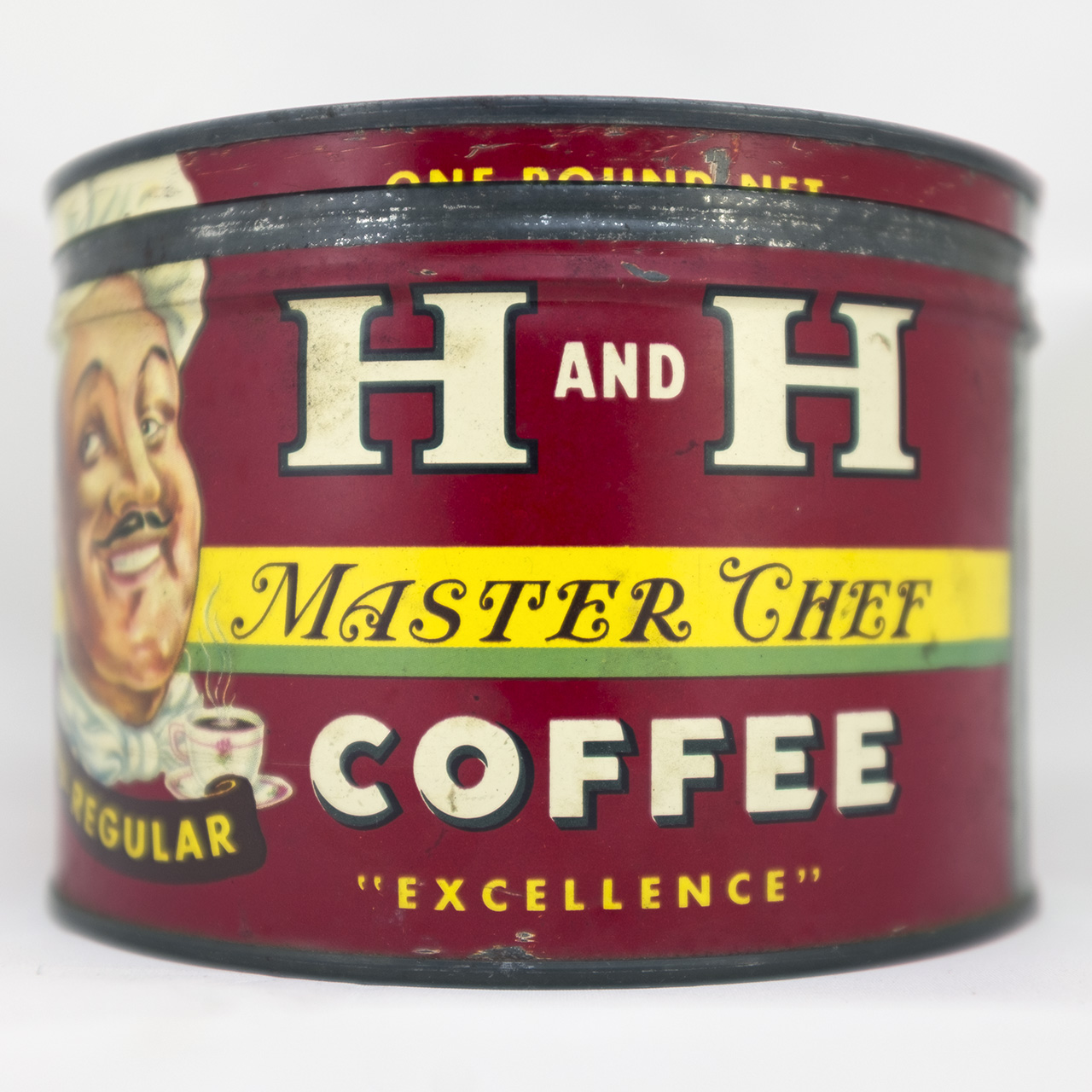
H and H Master Chef Tin
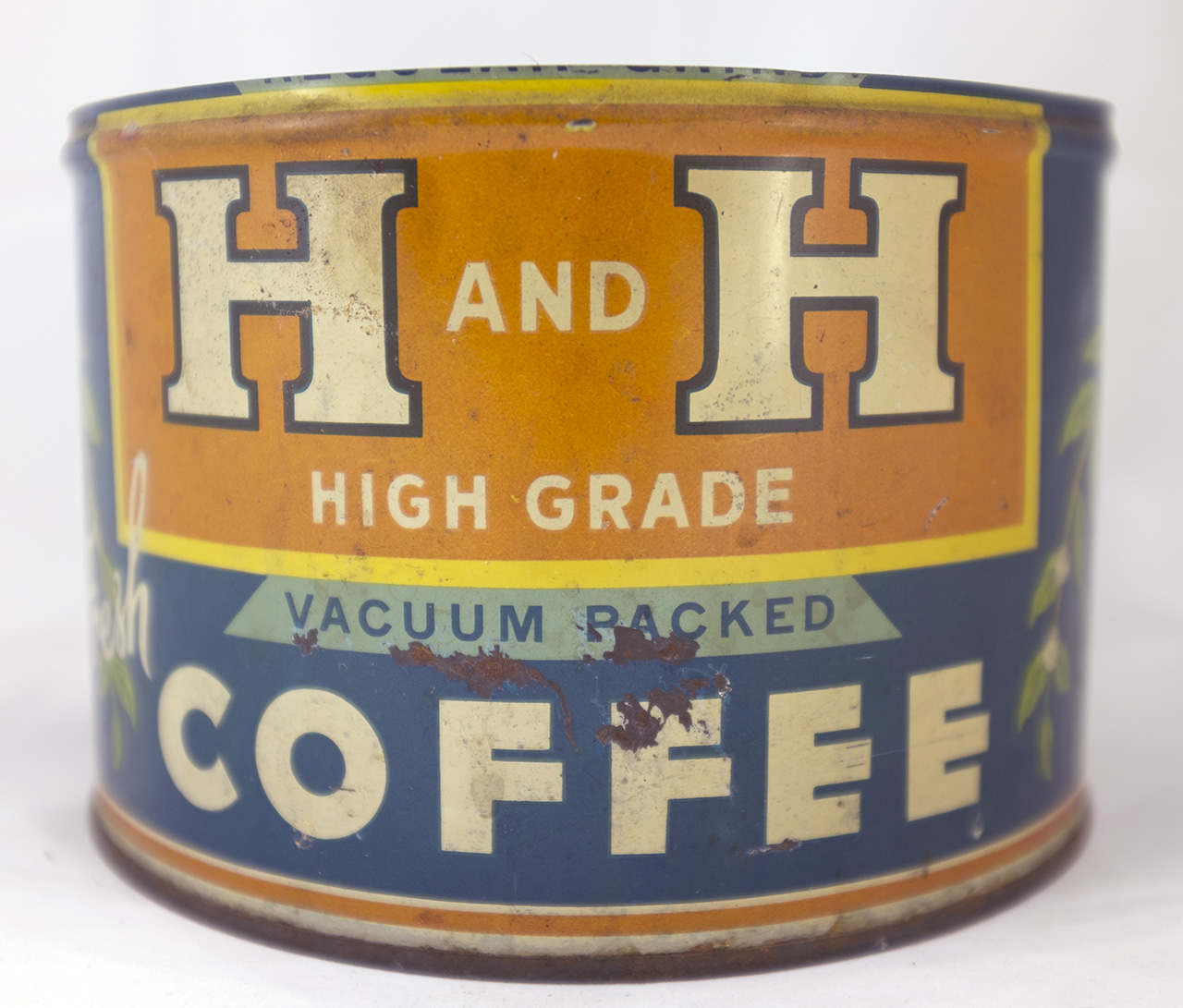
H and H High Grade Three Pound Tin
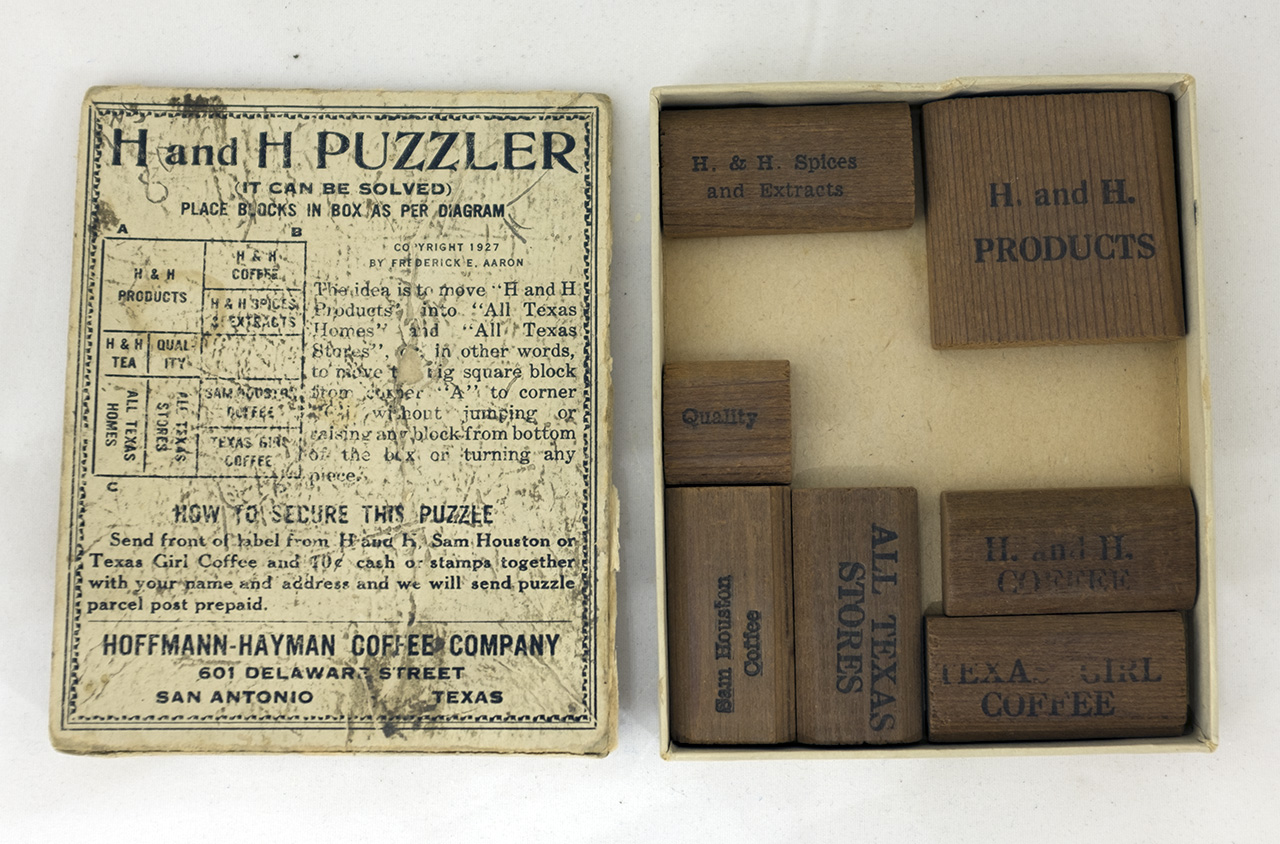
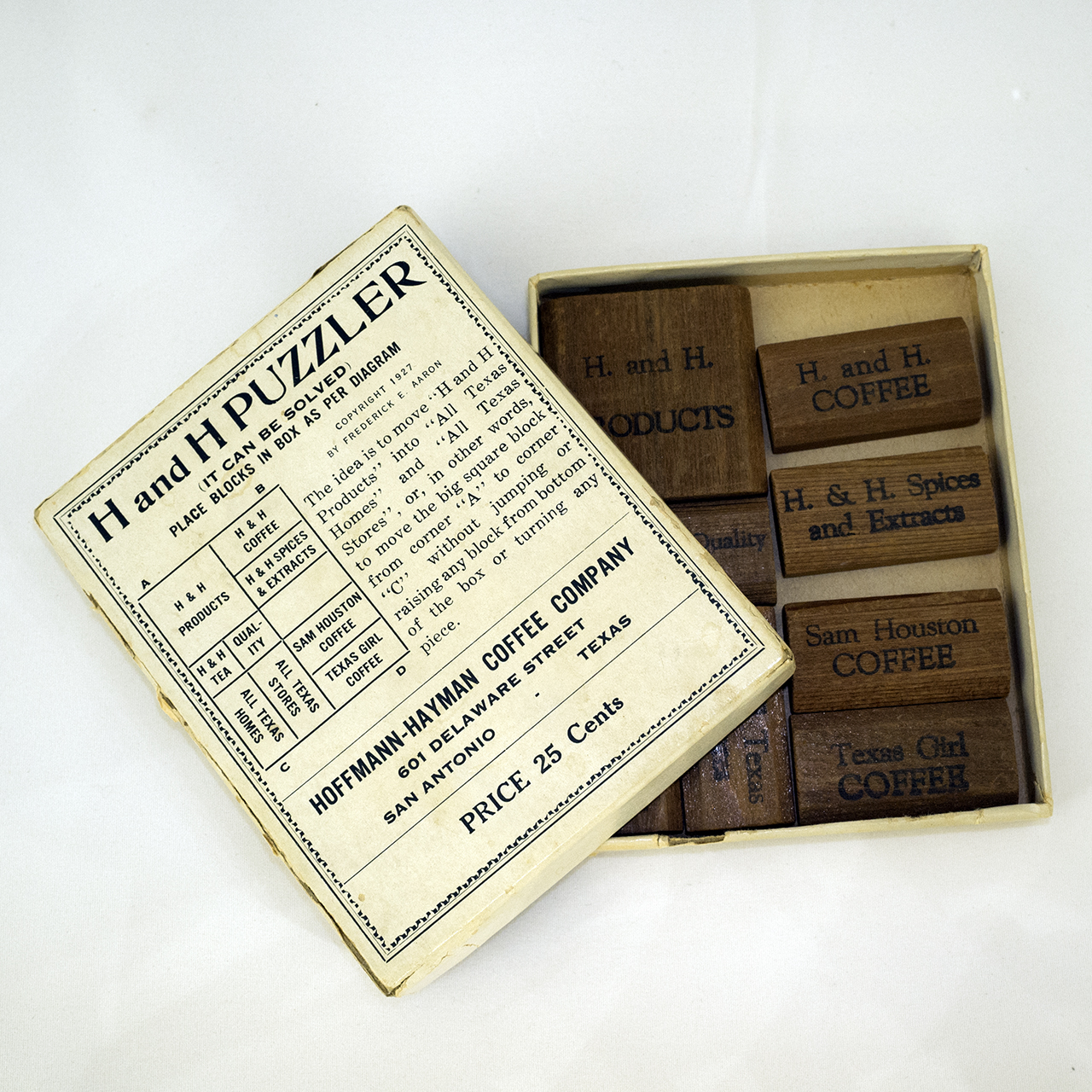
Hoffmann-Hayman Puzzler
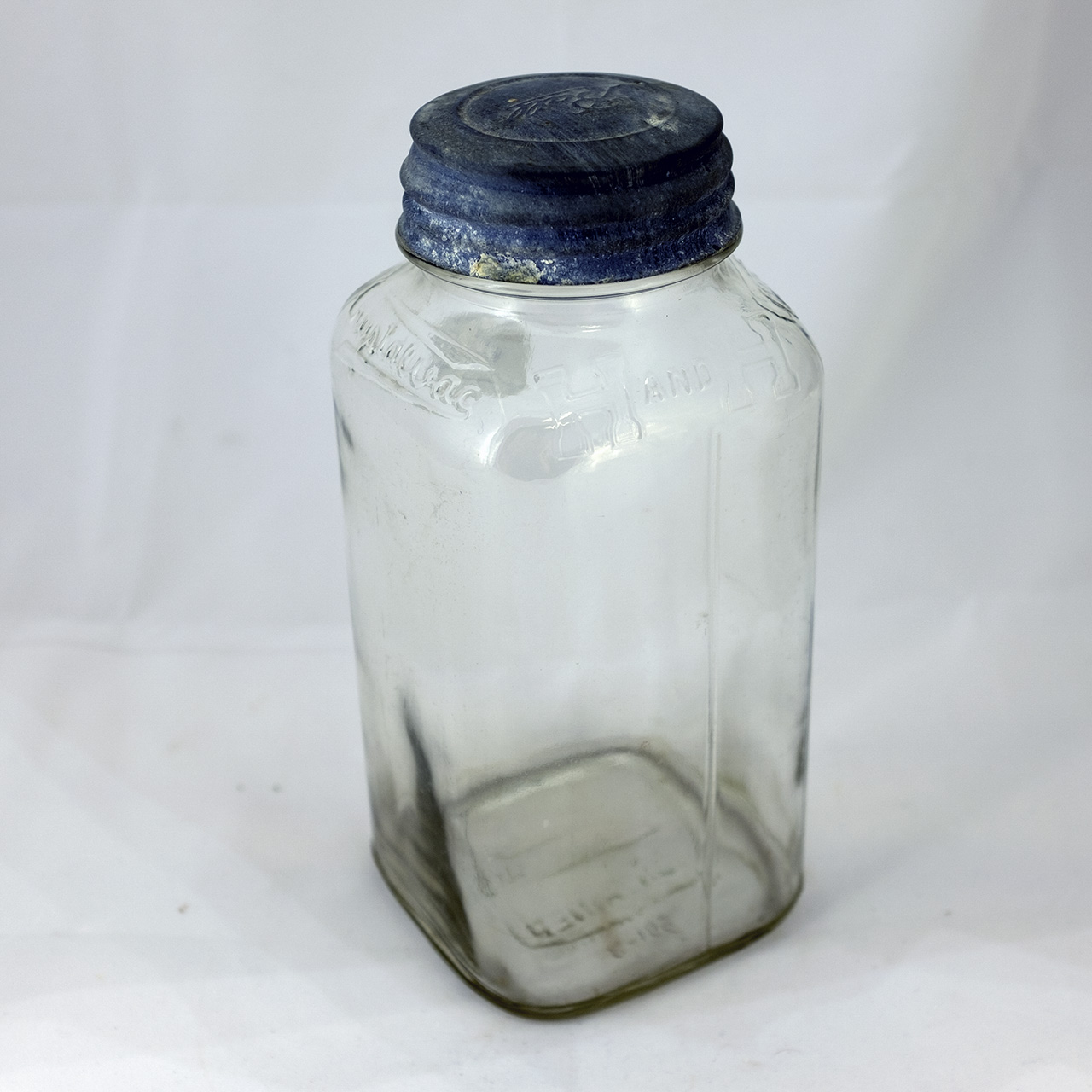
One Pound Three Rivers Crystalvac Jar
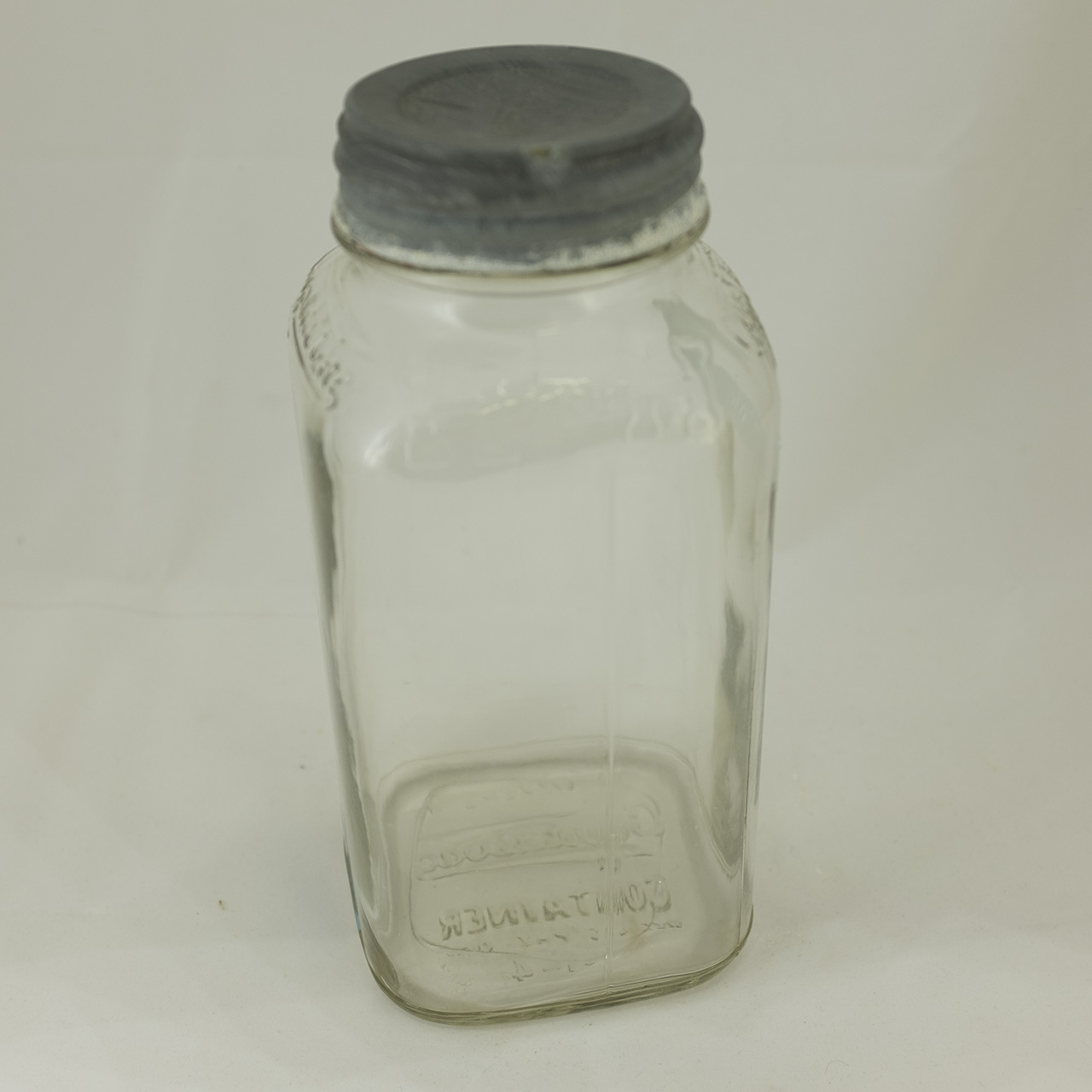
Crystalvac Jars from Comfort Texas
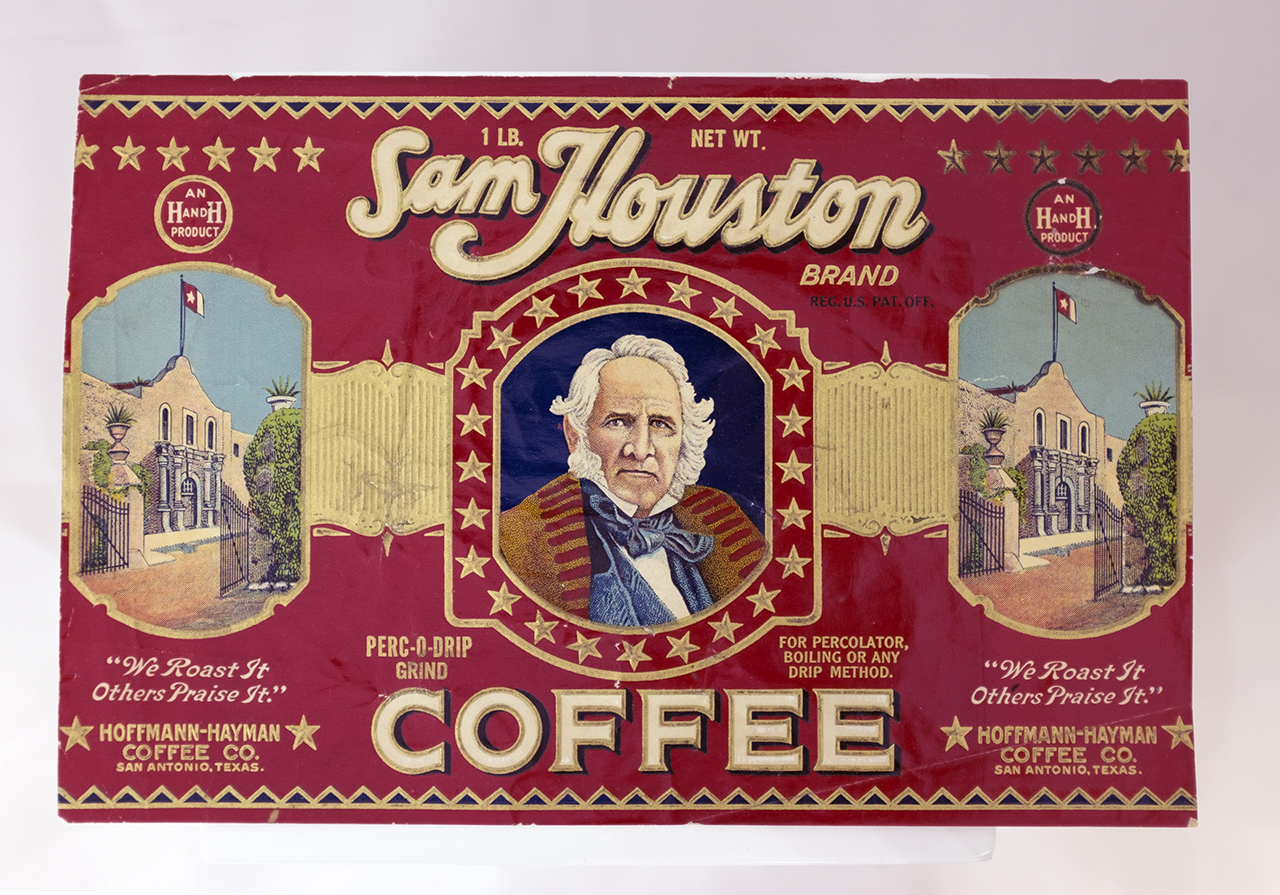
Sam Houston Coffee Label
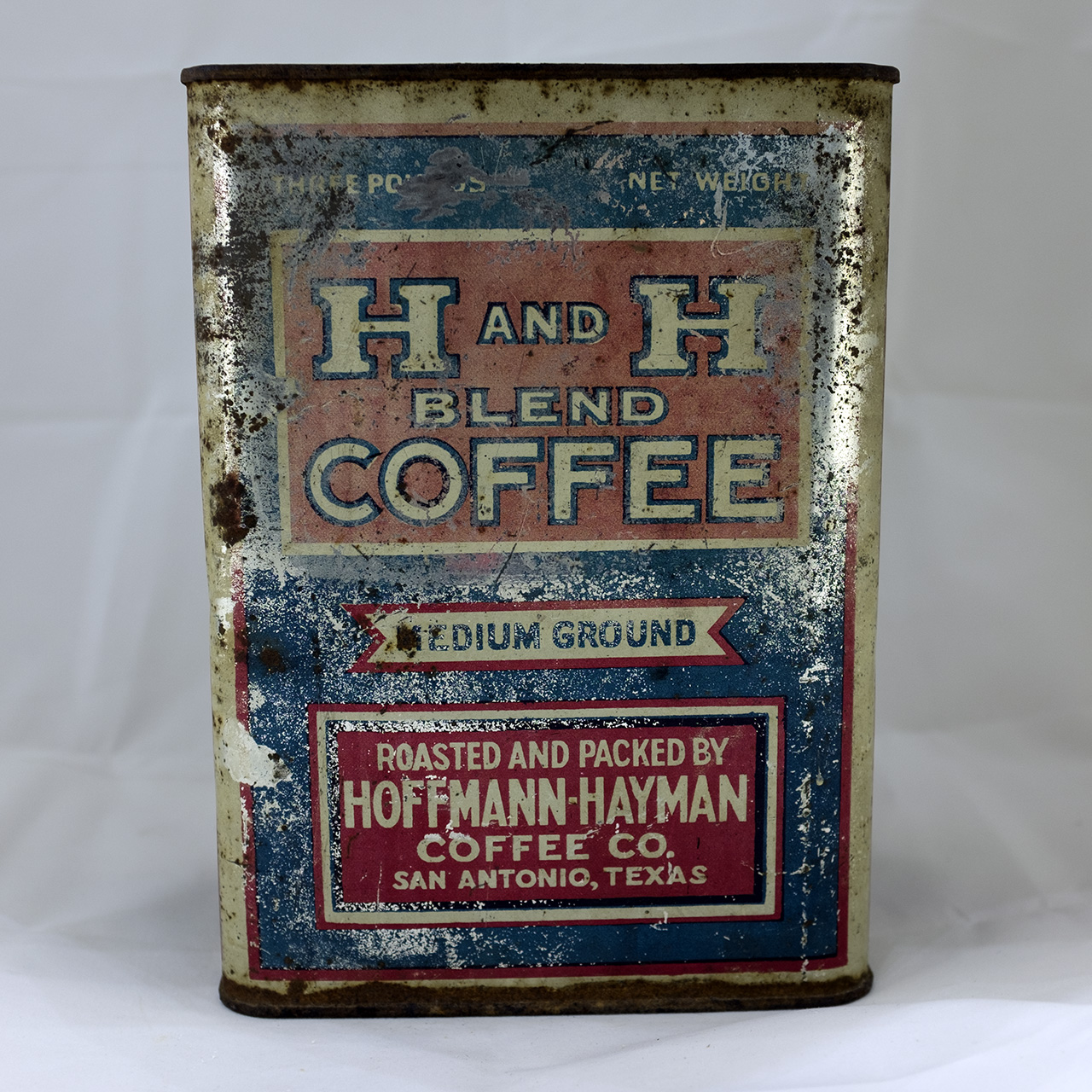
H and H Blend Three Pound Tin
H and H Blend Round Tin
Round H and H Blend coffee tin from Comfort, Texas—paper label gone, embossed lid; bought in person at Stuff & More.
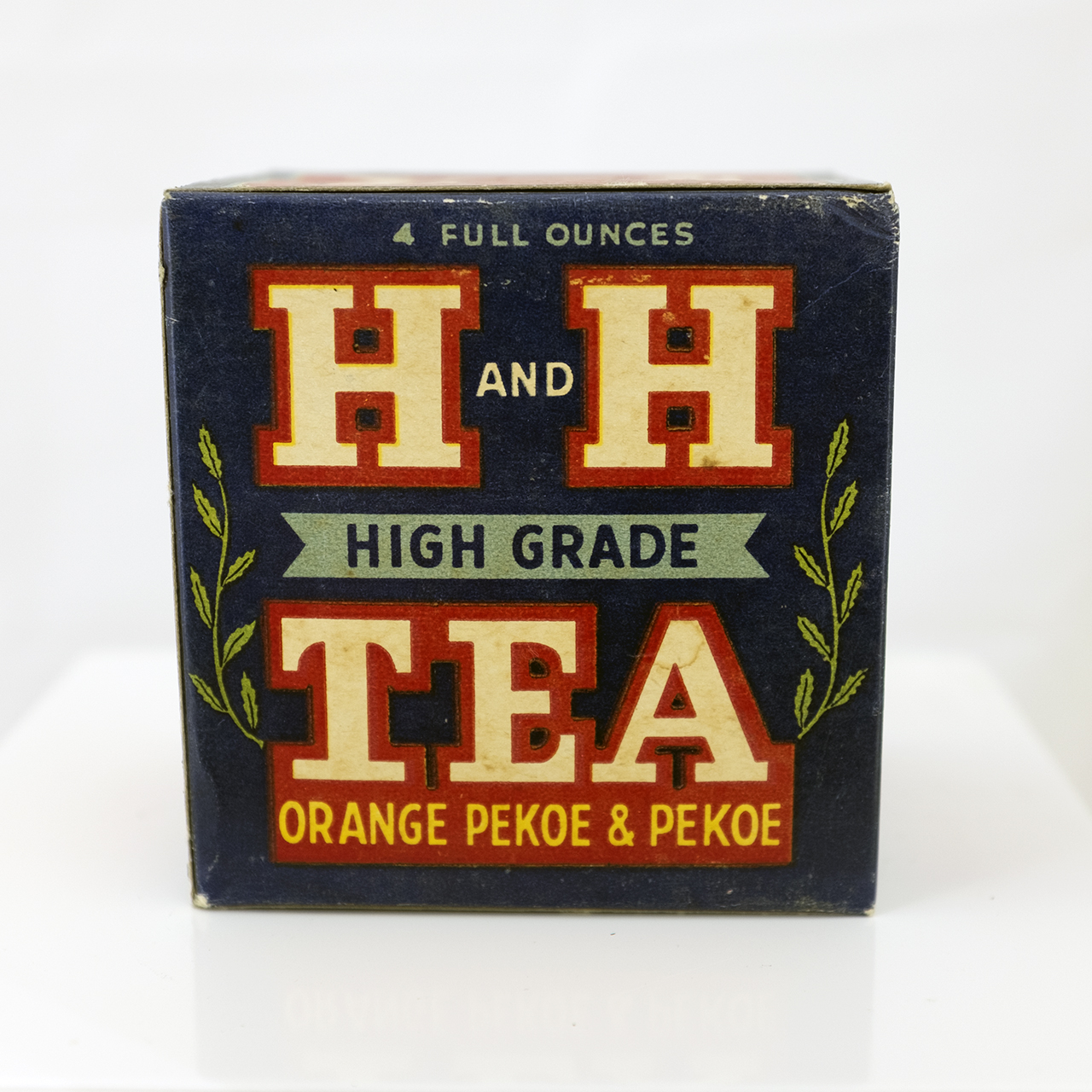
H and H Tea, Orange Pekoe High Grade
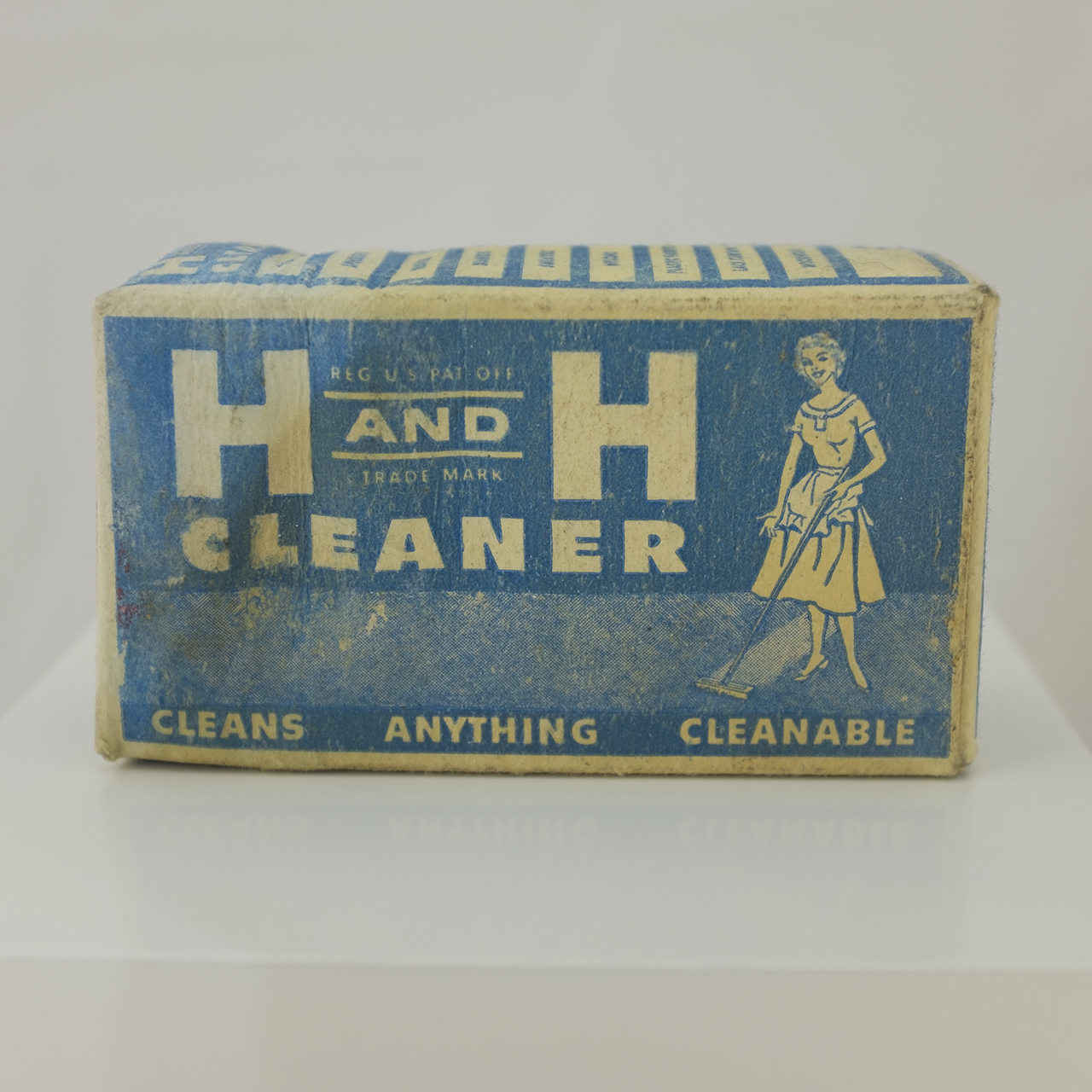
H and H Cleaner
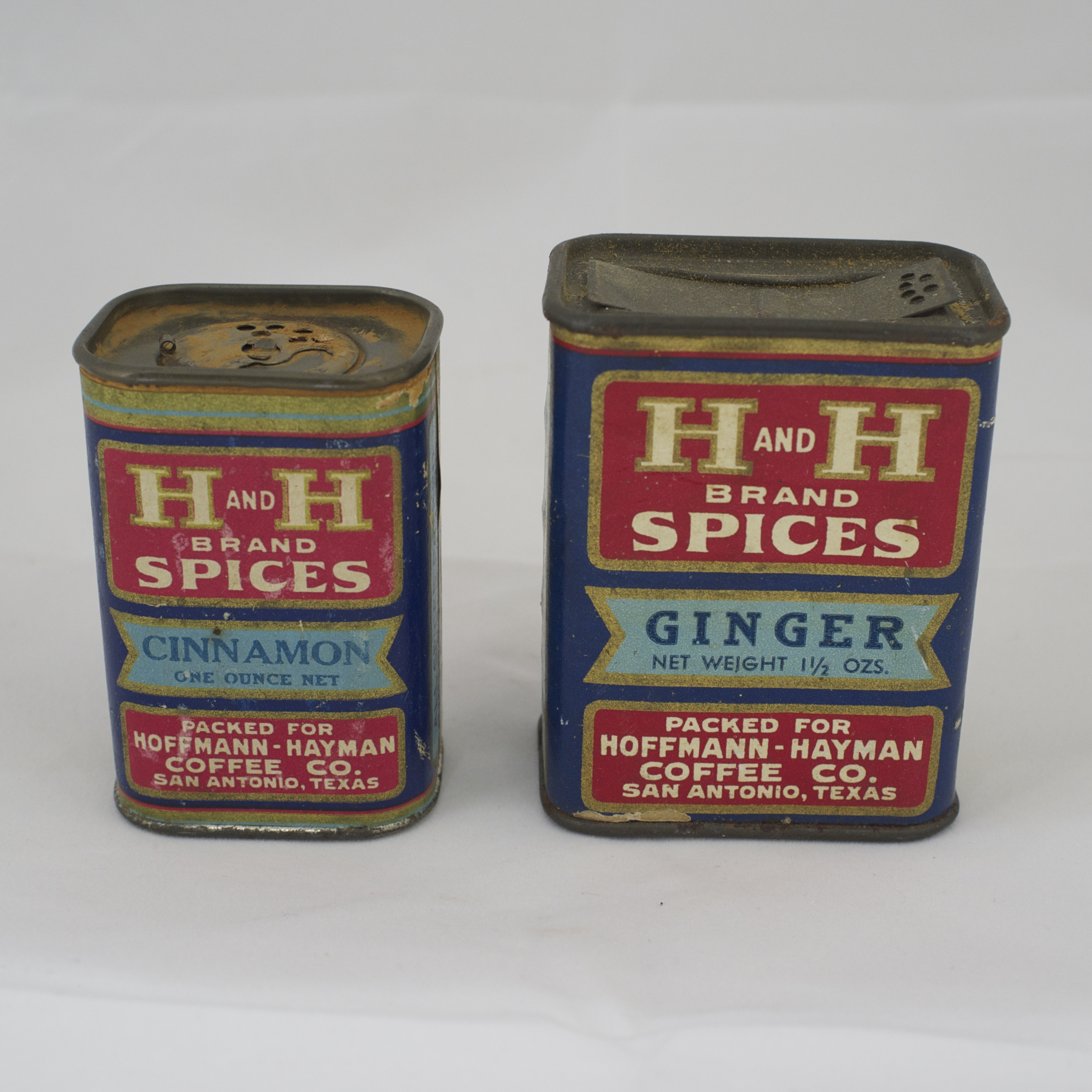
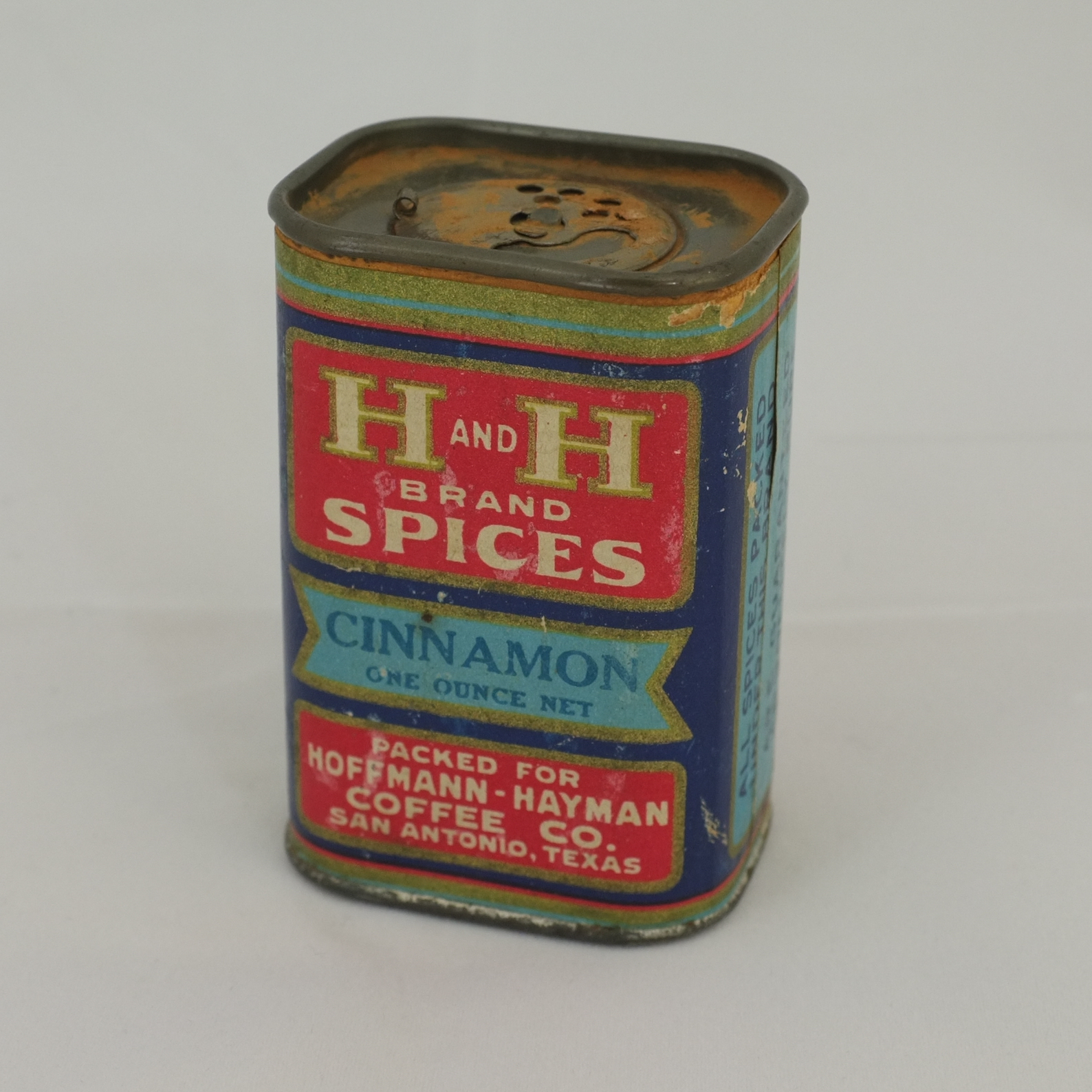
H and H Spices Nutmeg and Cinnamon
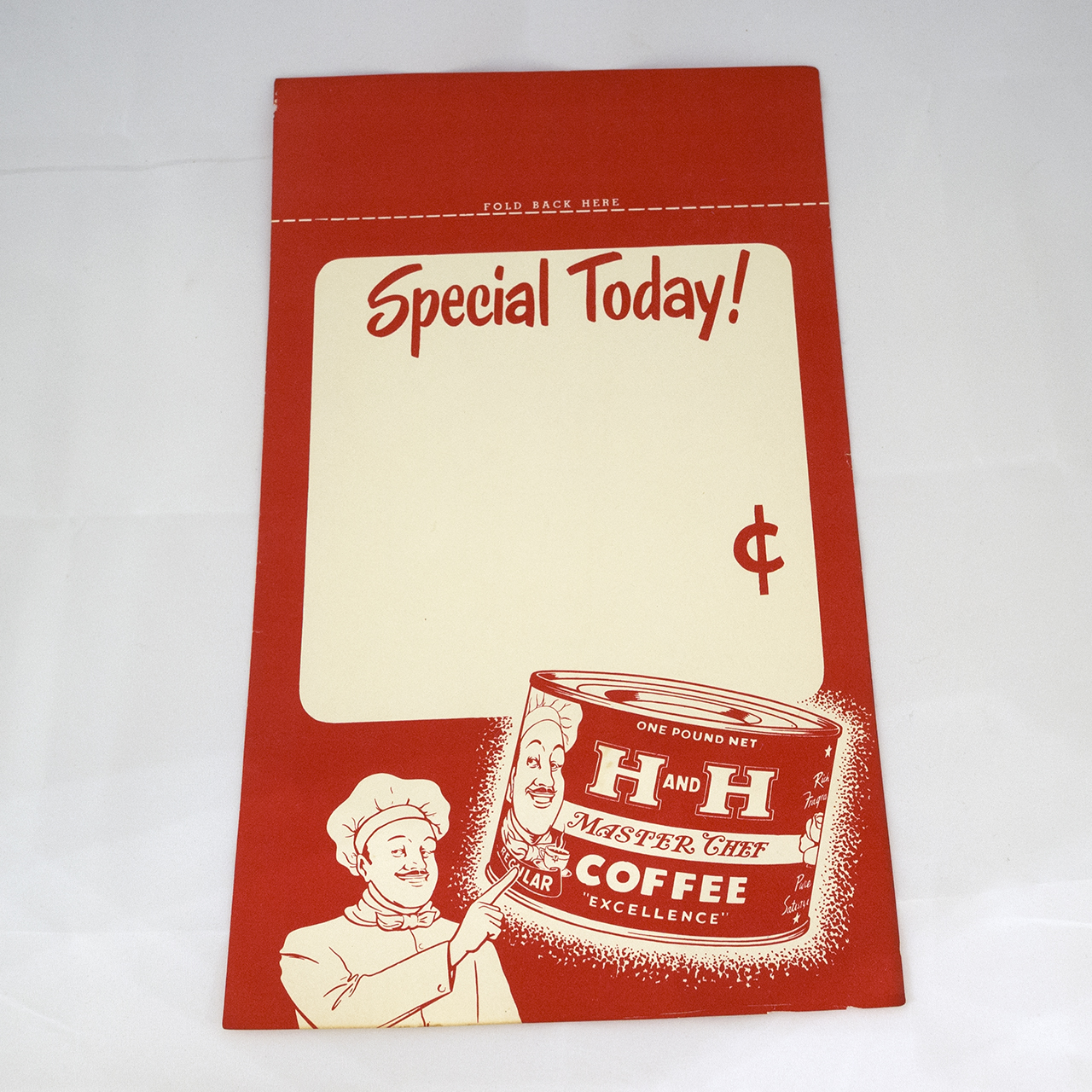
H and H Price Sign
H and H Puzzler
Small Square Crystalvac Jar with Handle
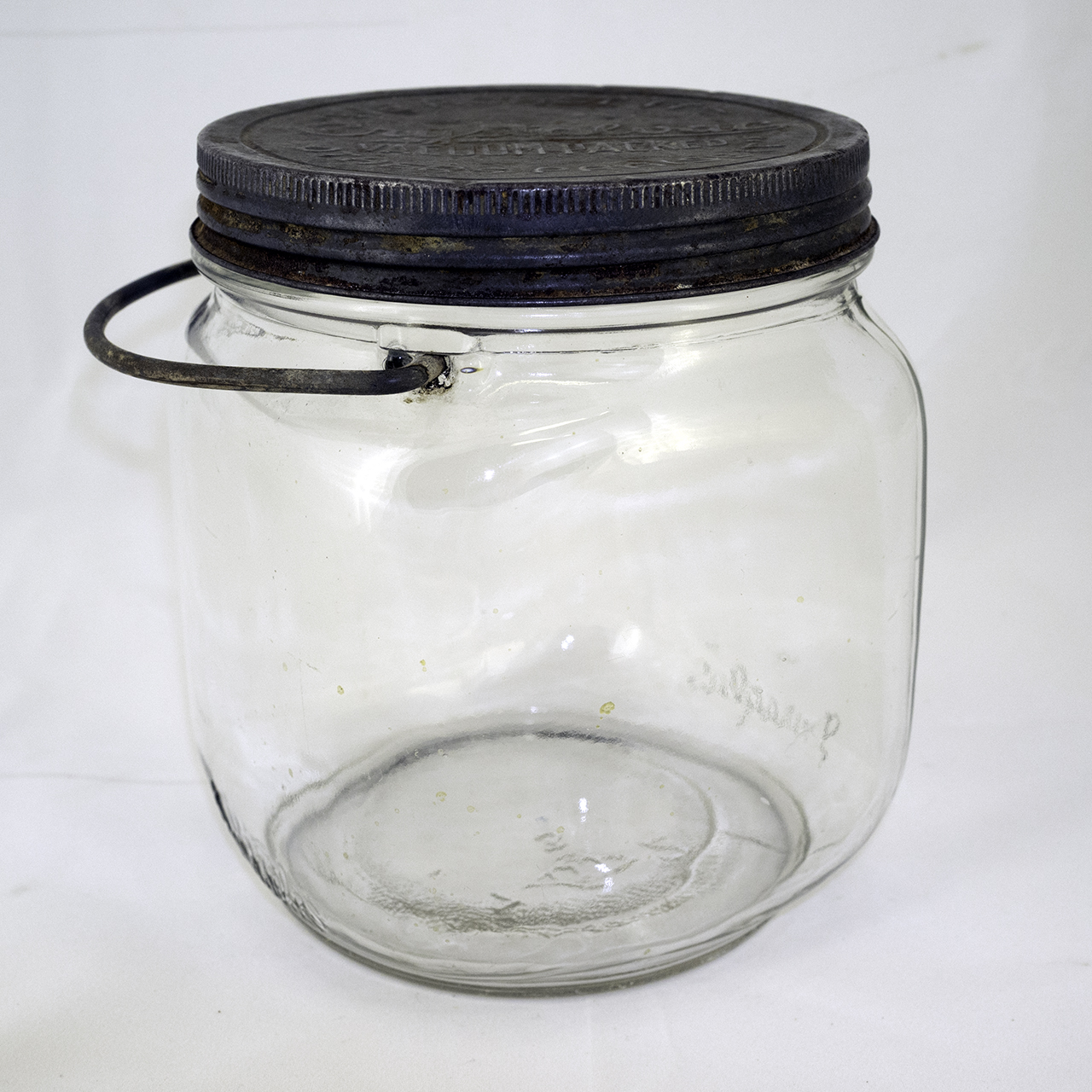
Large Crystalvac Jar with Wooden Handle
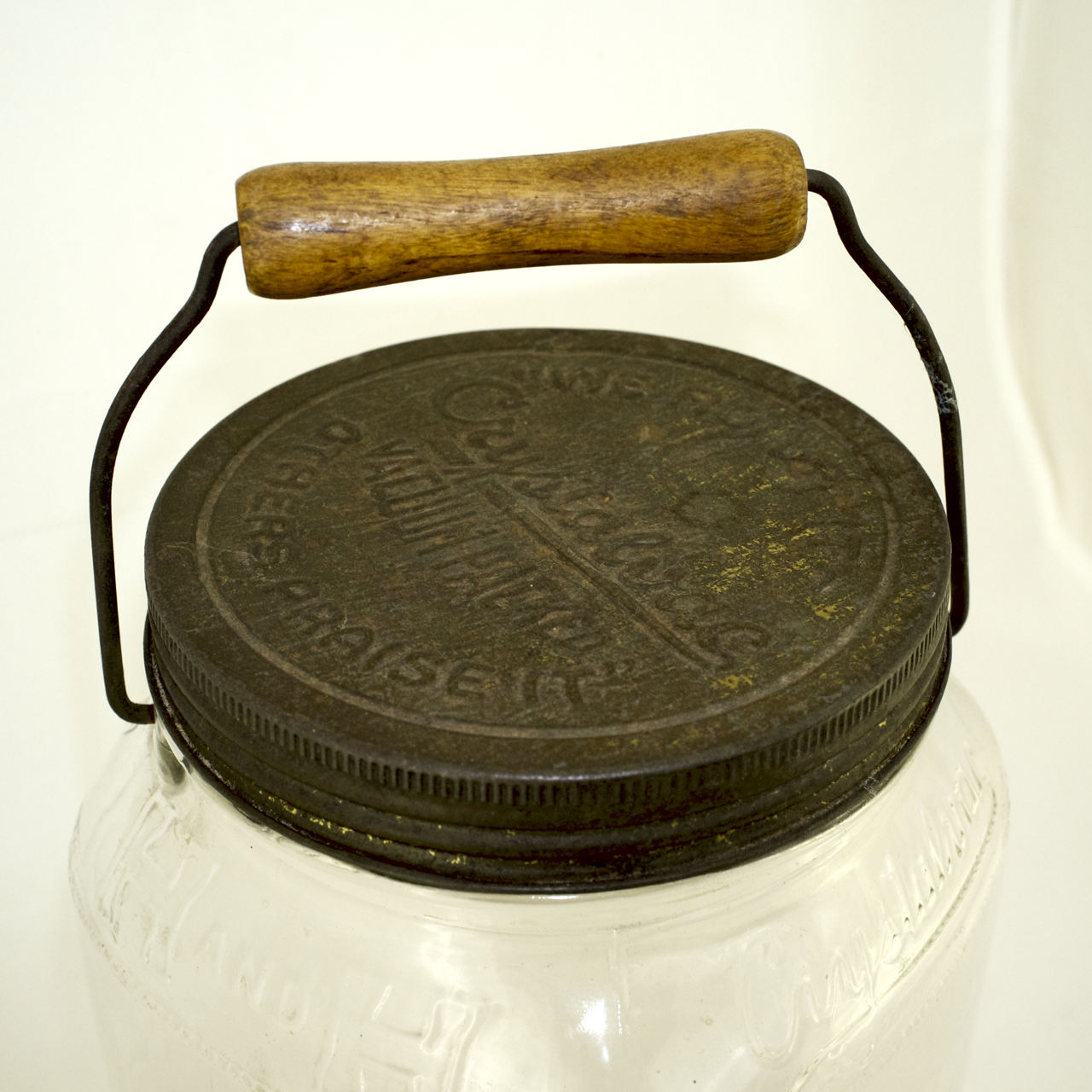
H and H Coffee in Square Glass Jar
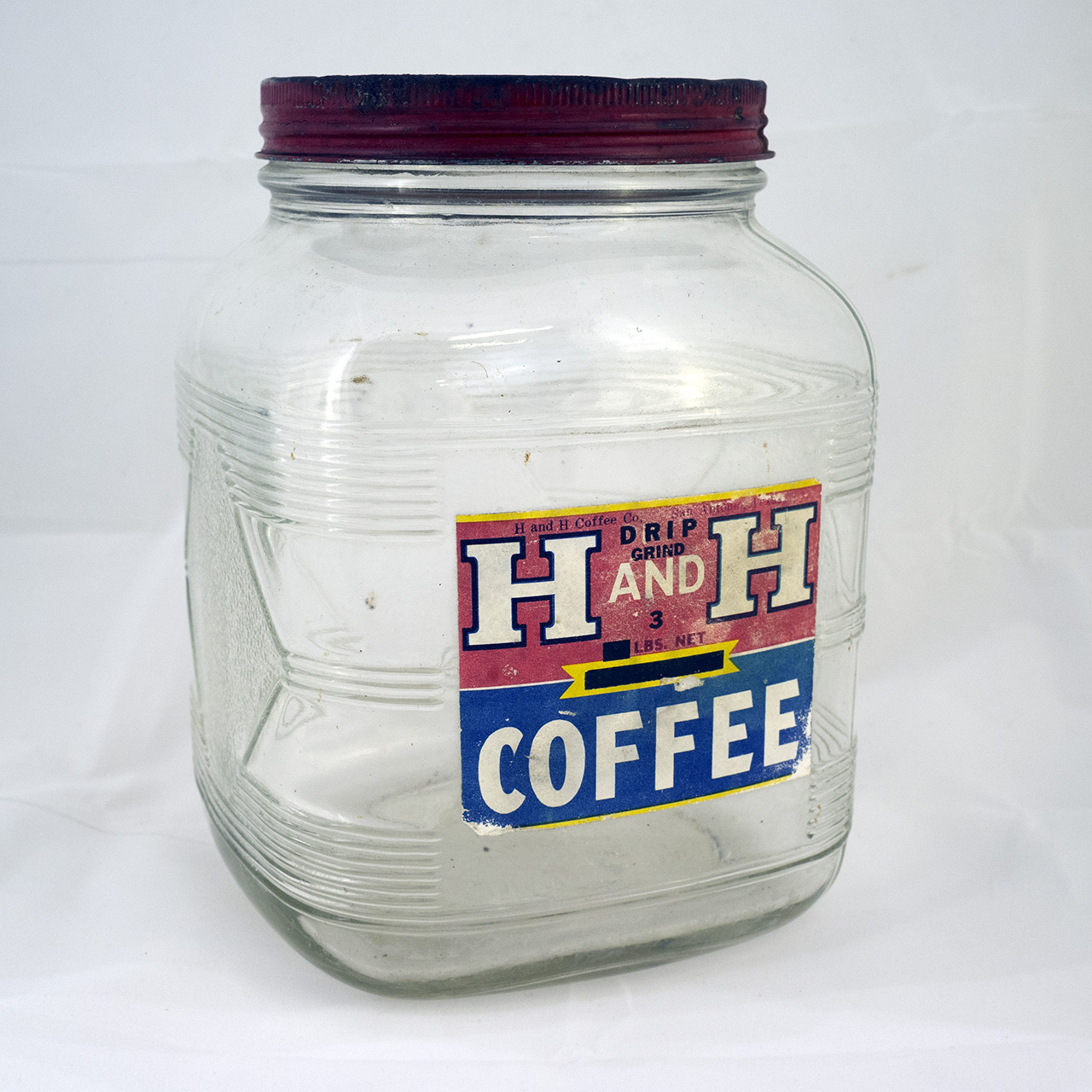
H and H Spices - Tin of Allspice
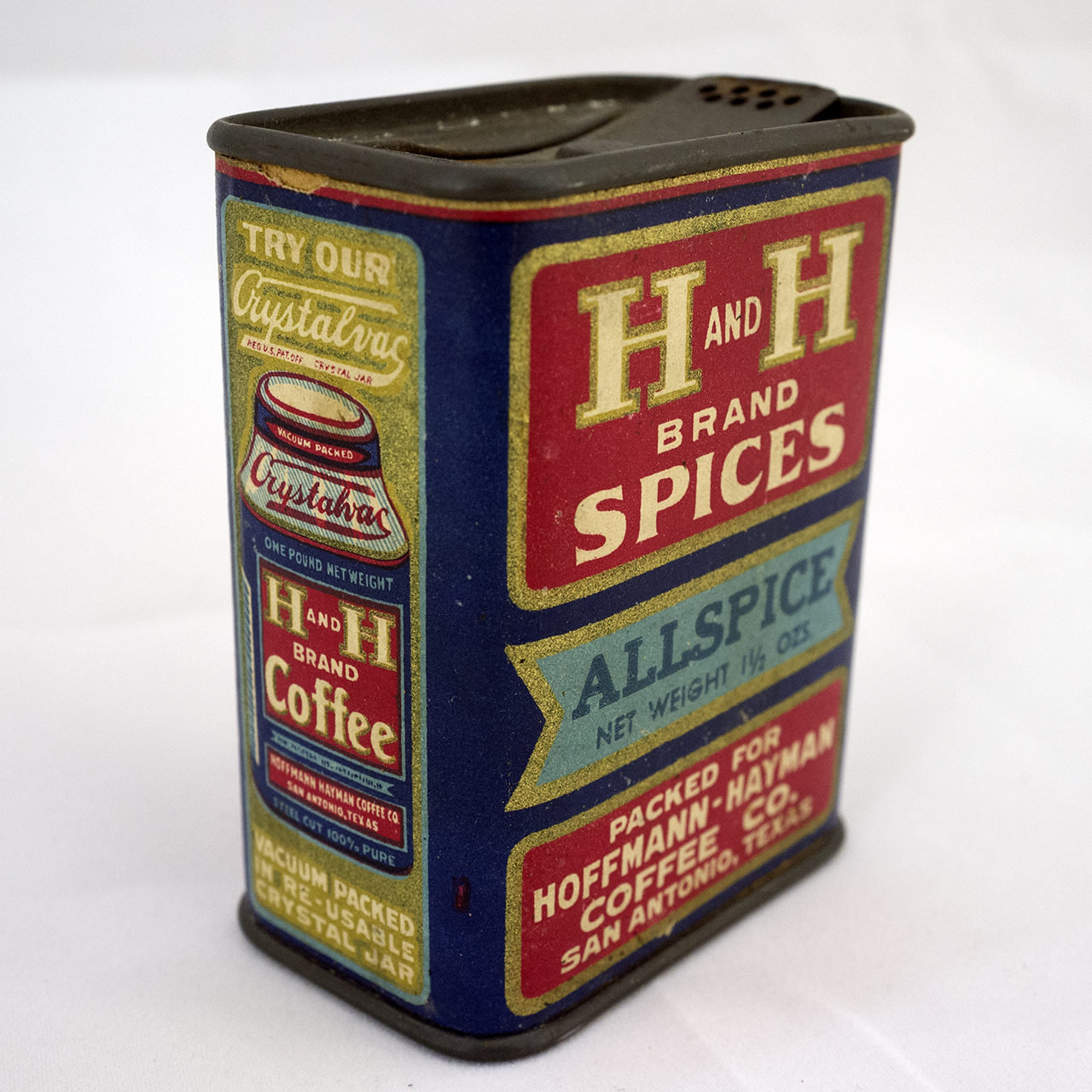
Tucker Coffee Co. Letterhead
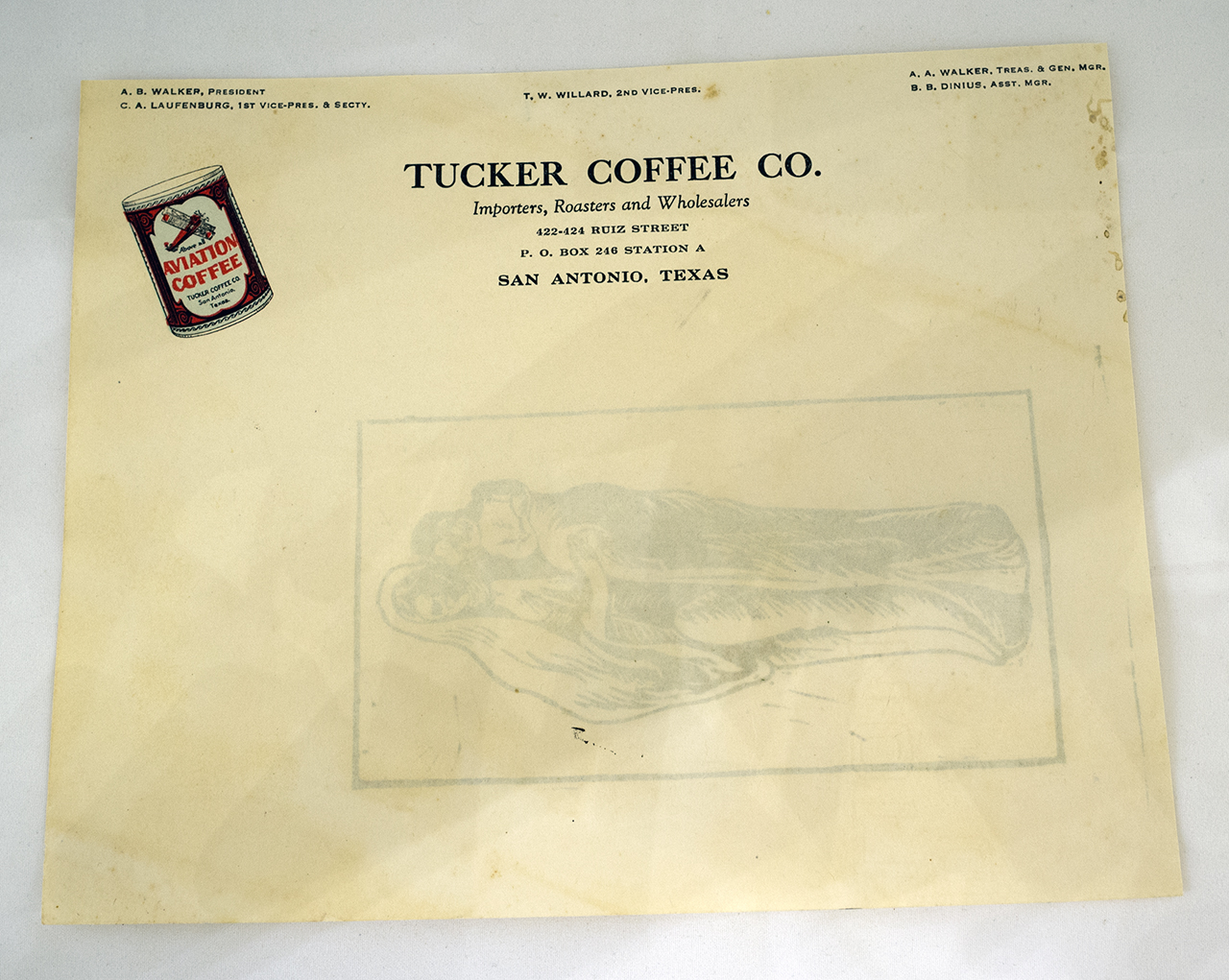
Small Kork-N-Seal Extract Bottle
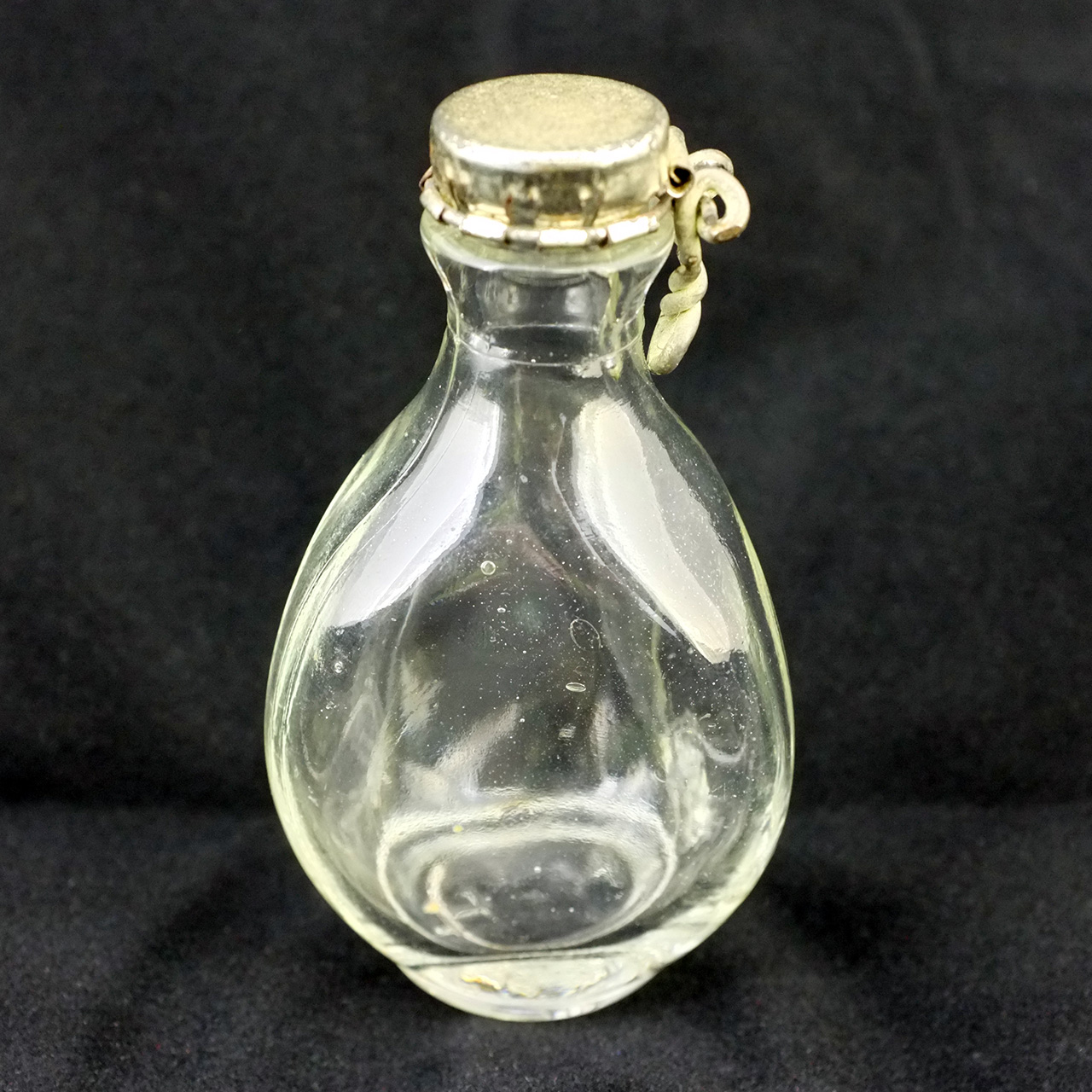
One Pound Crystalvac Jar
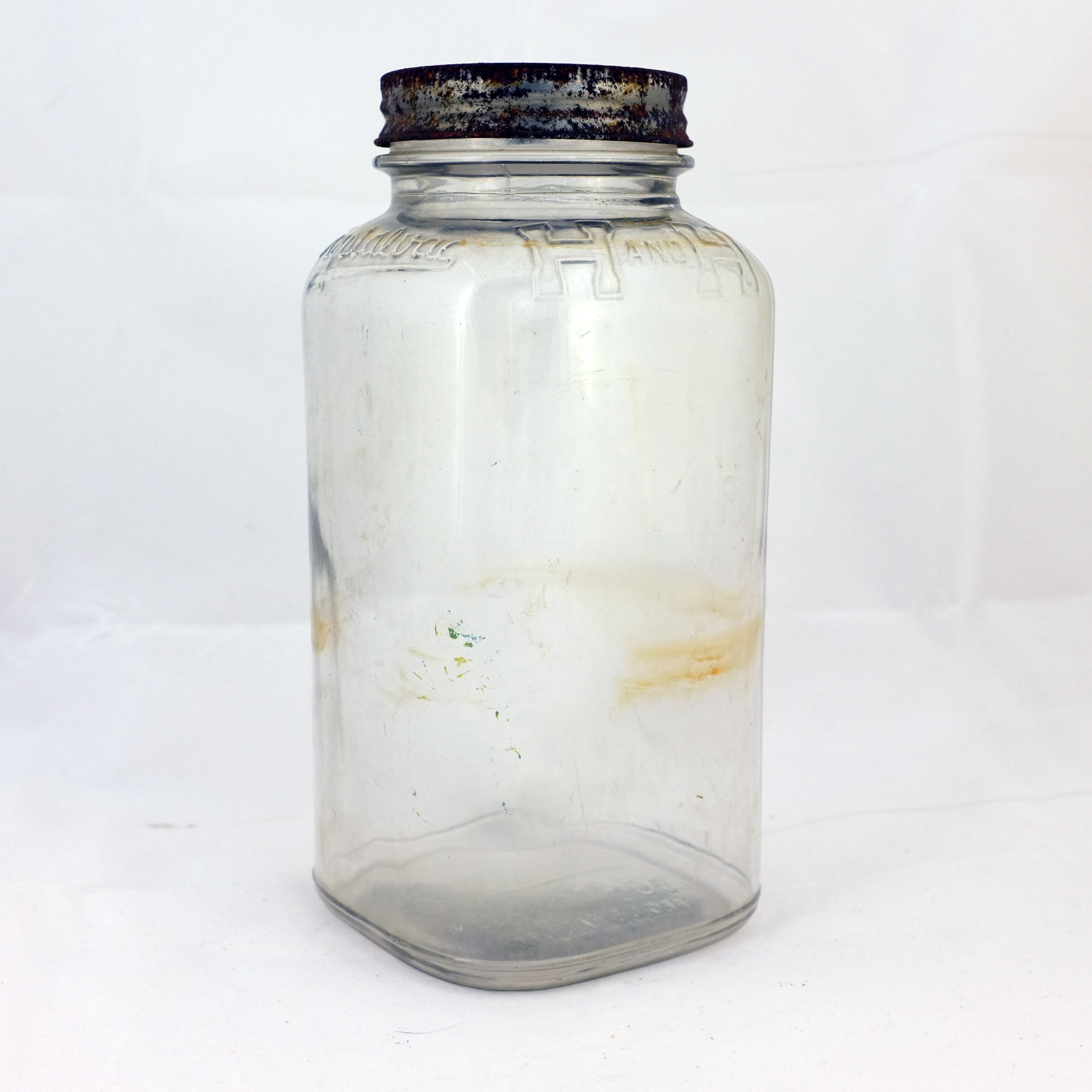
Delaware Punch Soda Bottle
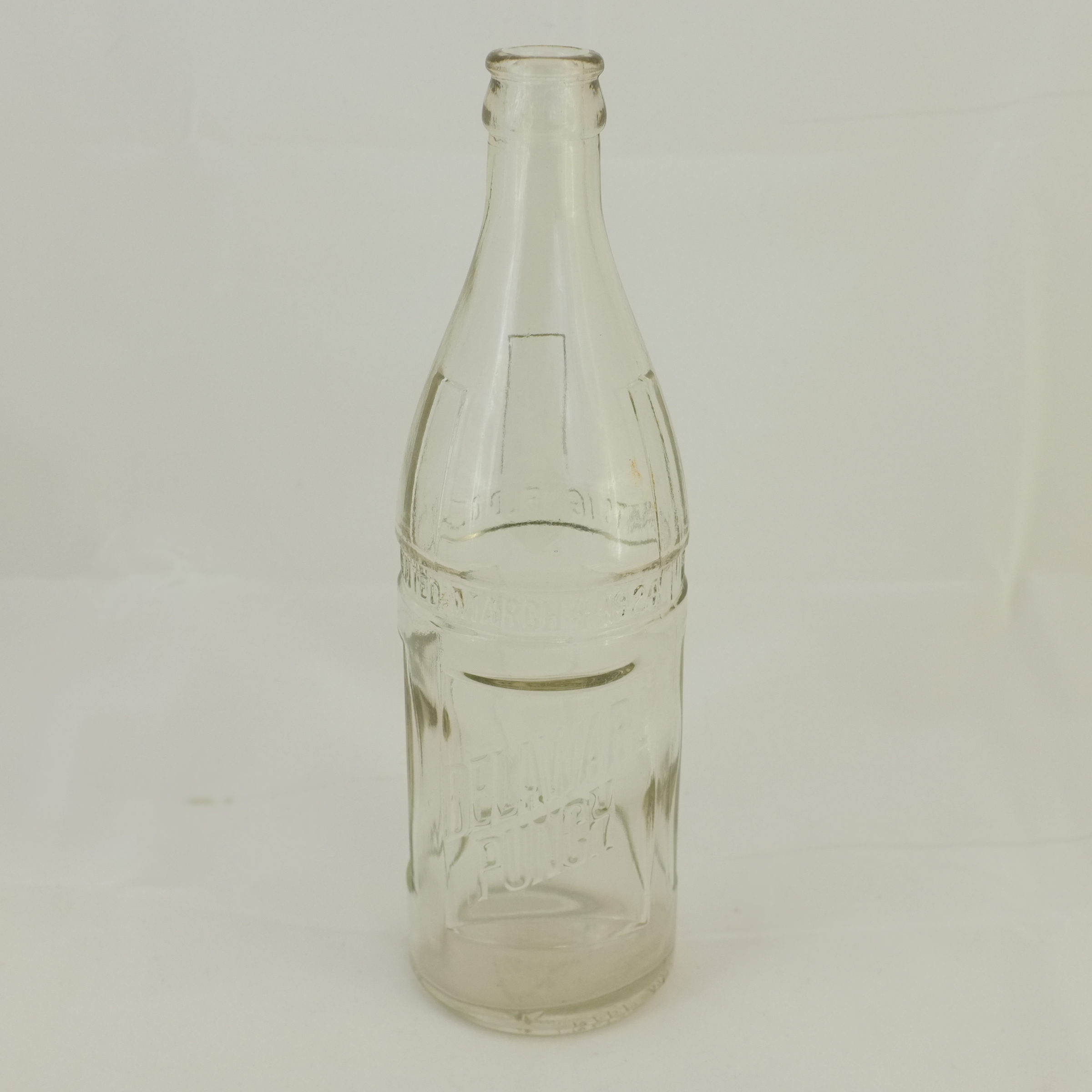
San Antonio Nexapa
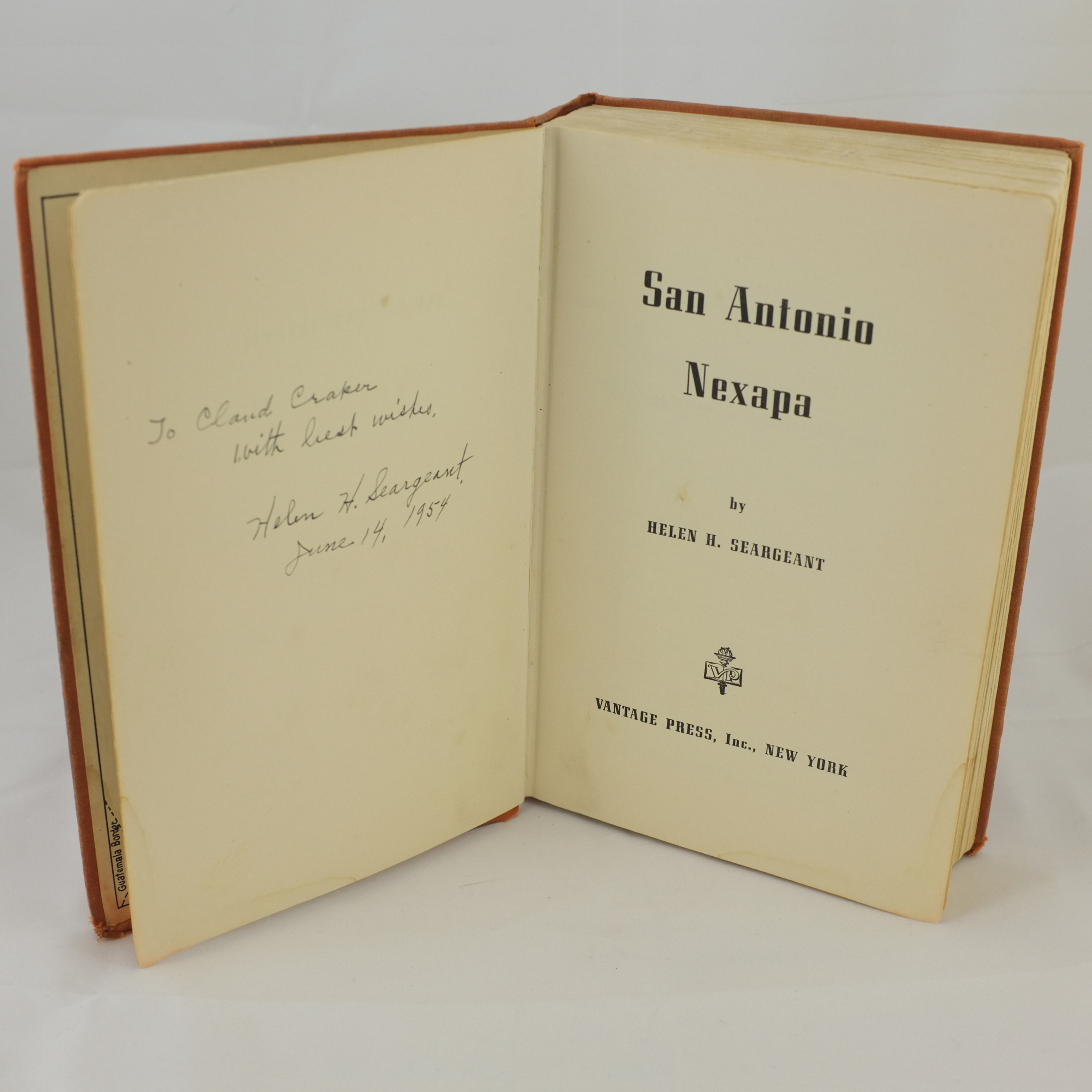
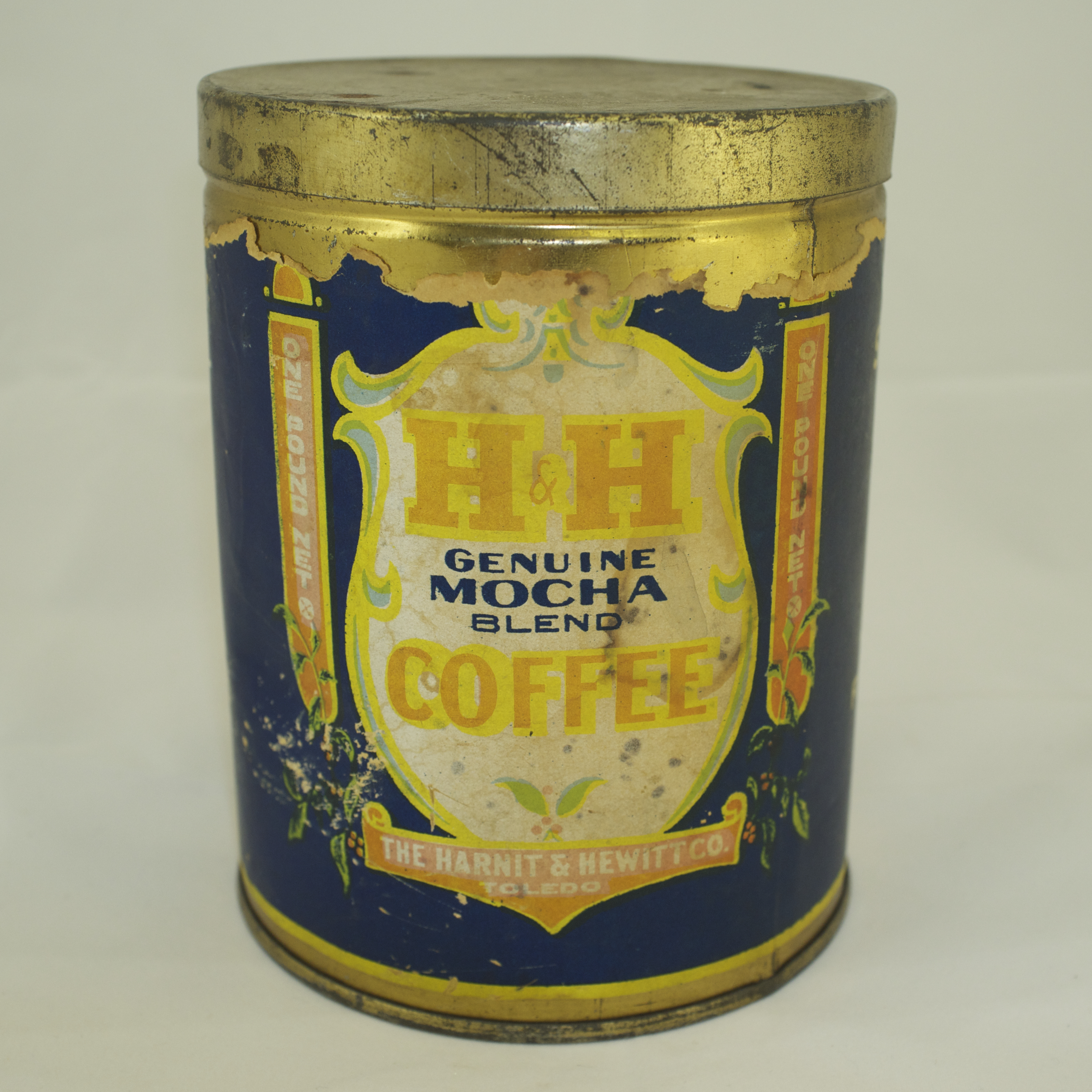
Harnit & Hewitt Co. Mocha Blend Coffee (Toledo, Ohio)
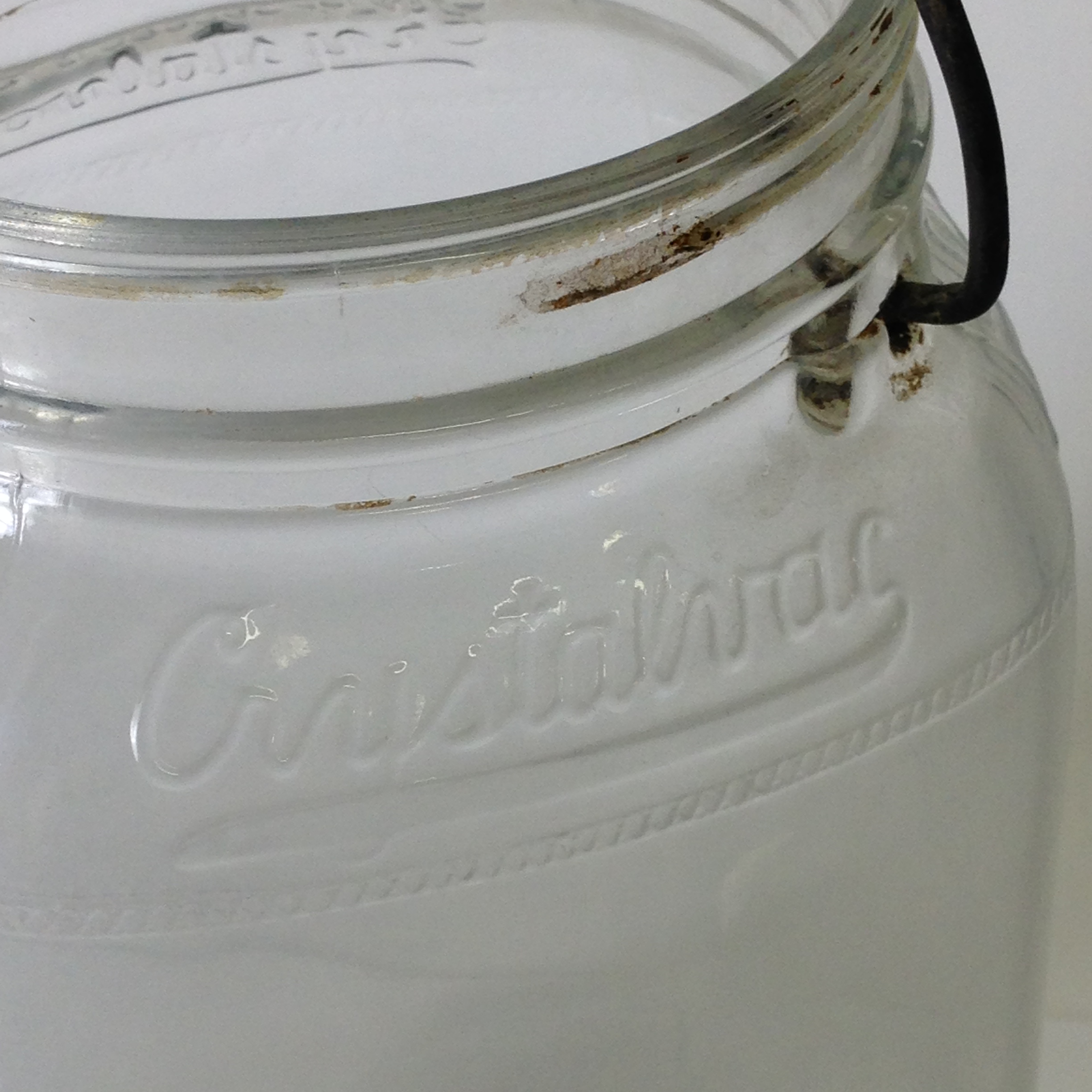
Large H and H Crystalvac jar, Georgetown, Texas
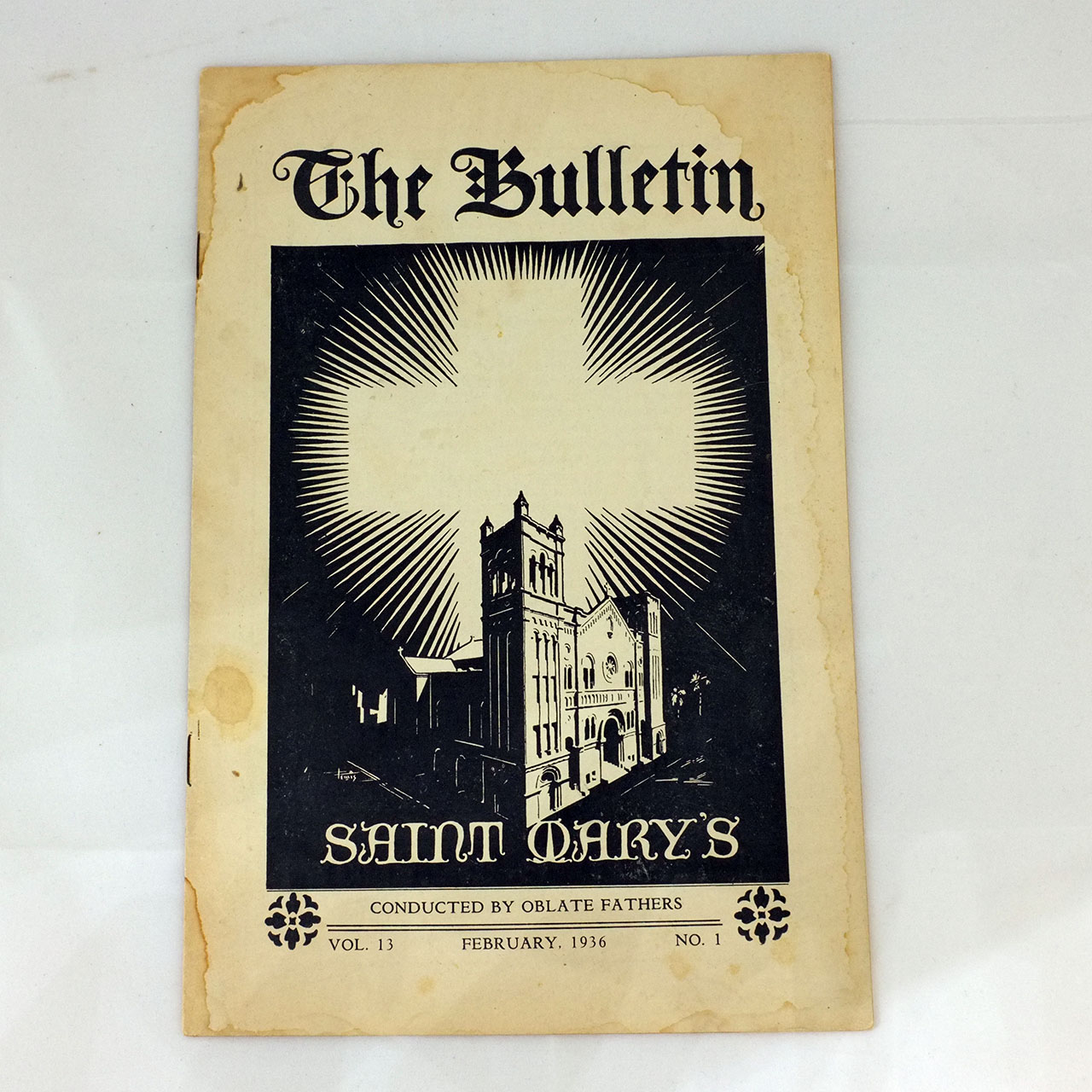
St. Mary’s Bulletin, February 1936 — H and H Crystalvac ad
Hoffmann’s Old Time Blended Coffee (Milwaukee)

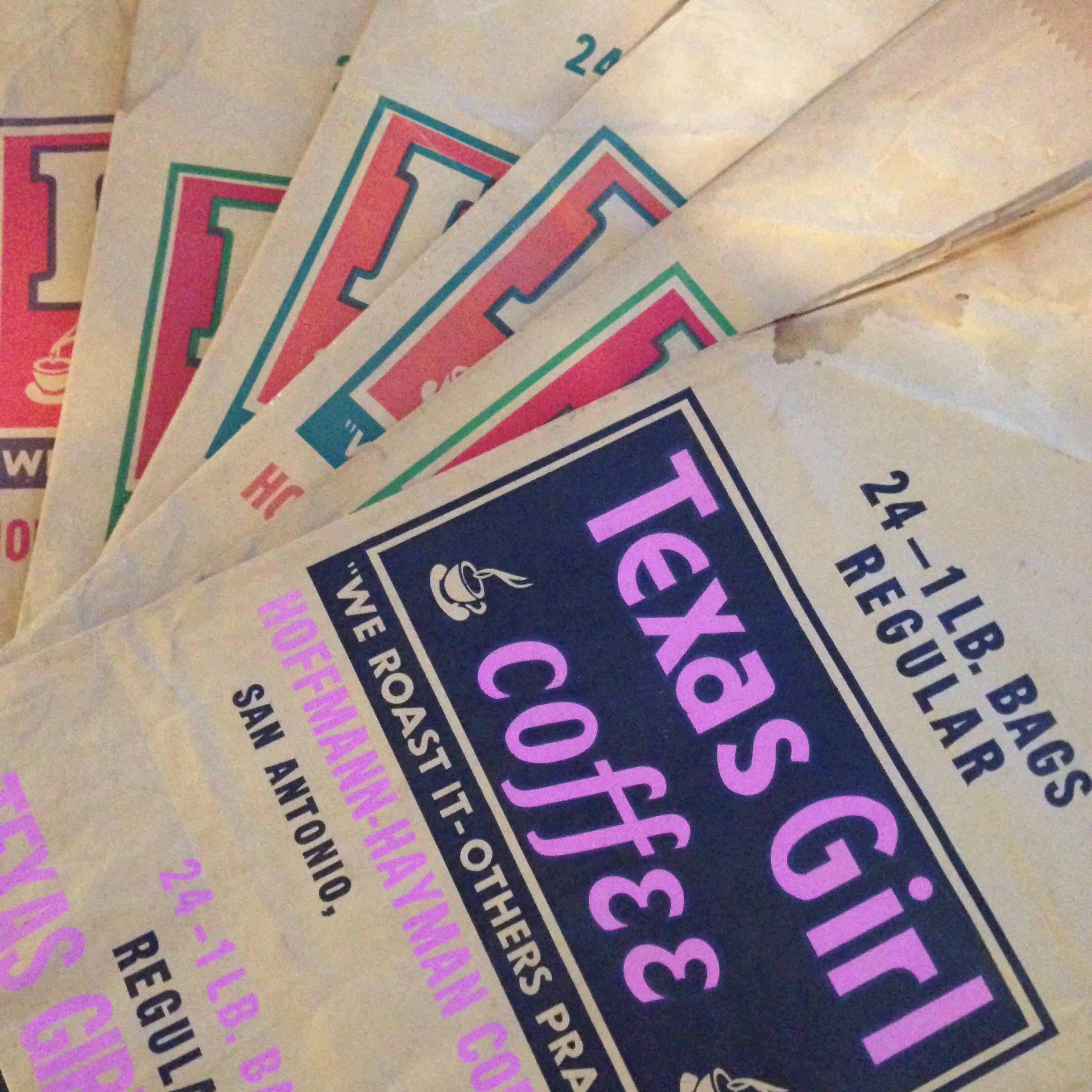
Texas Girl and H and H one-pound shop bags
H and H Brand Spices ginger, 1½ oz
H and H Coffee Paper Shipping Bags
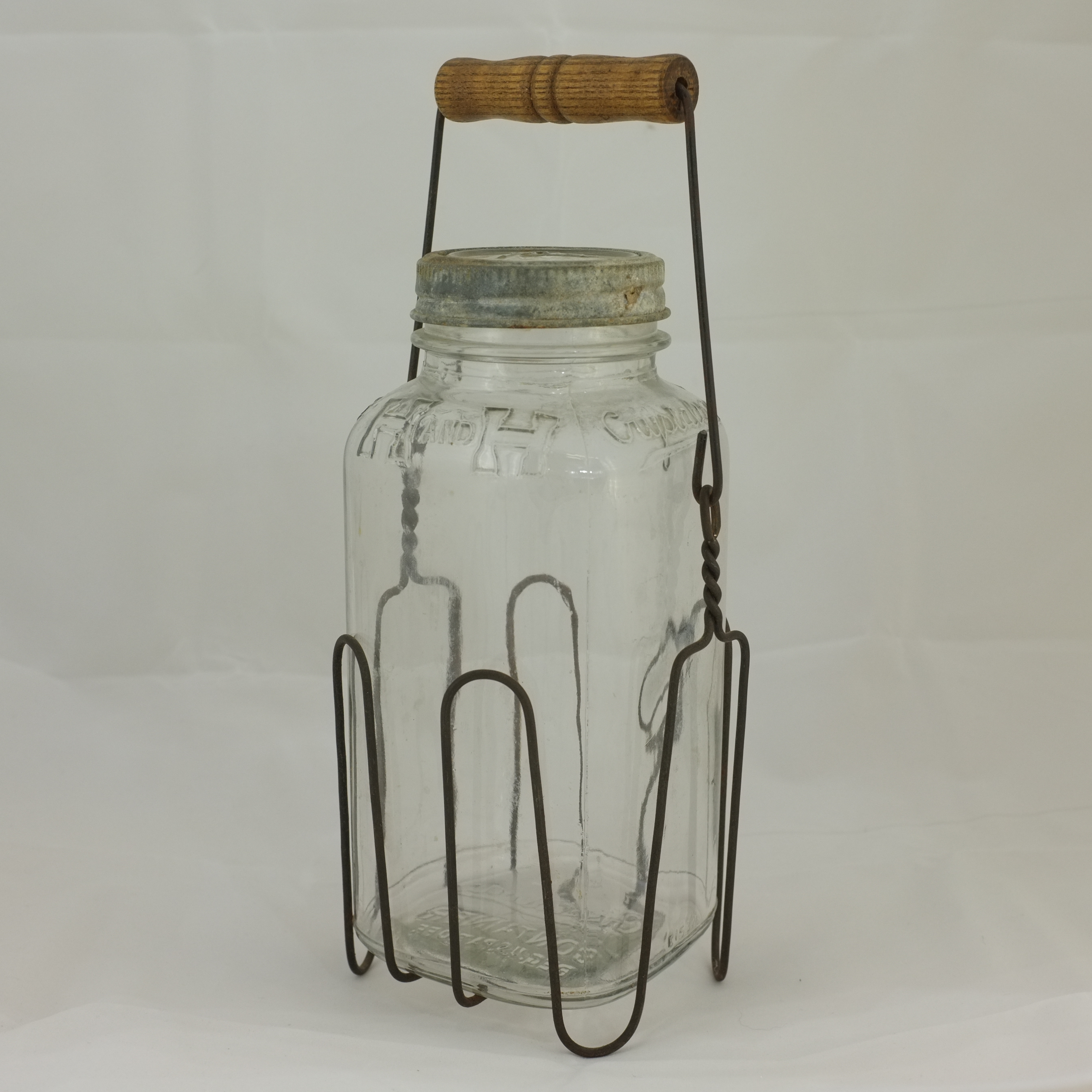
Small H and H Crystalvac with wire-and-wood holder
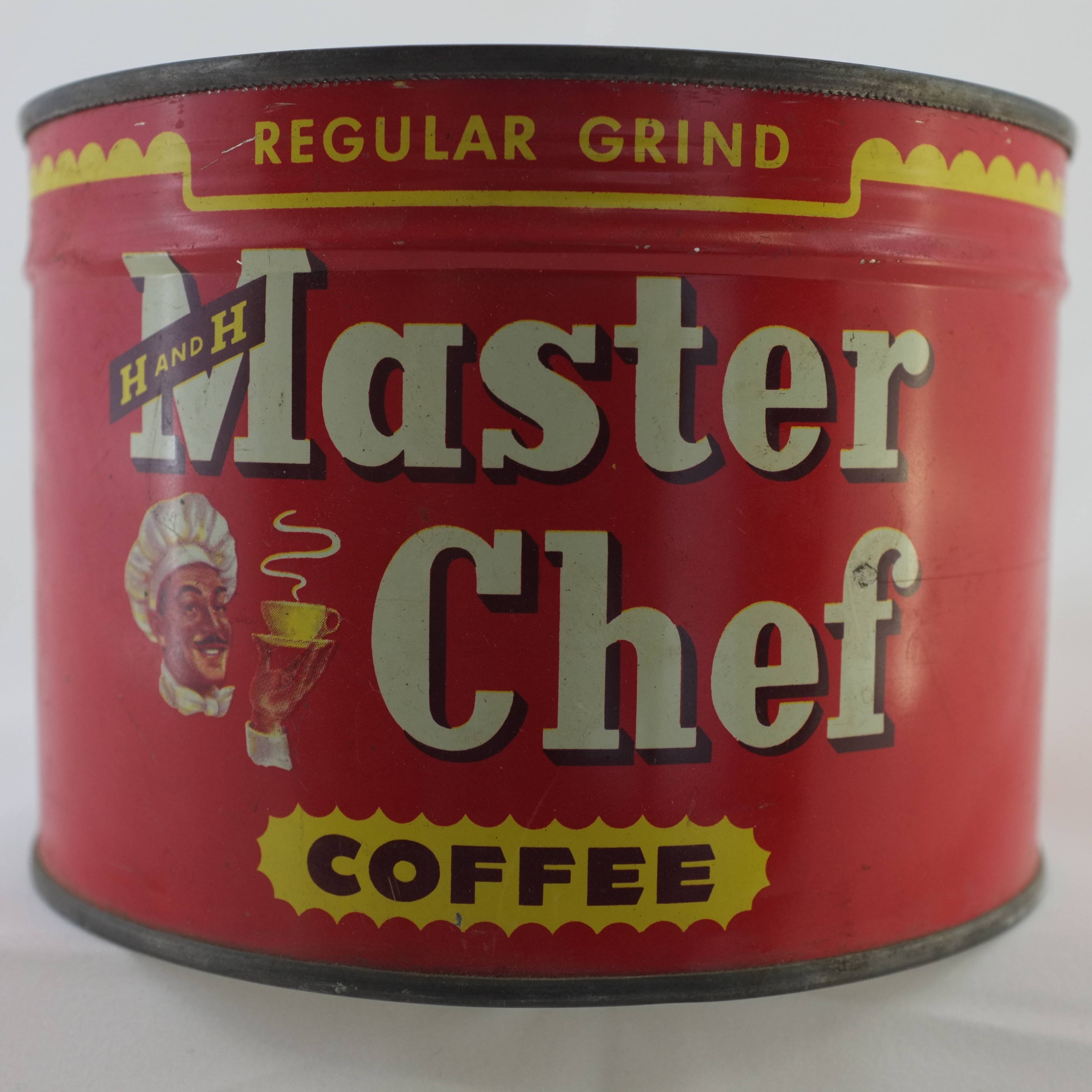
Master Chef Regular Grind one-pound tin
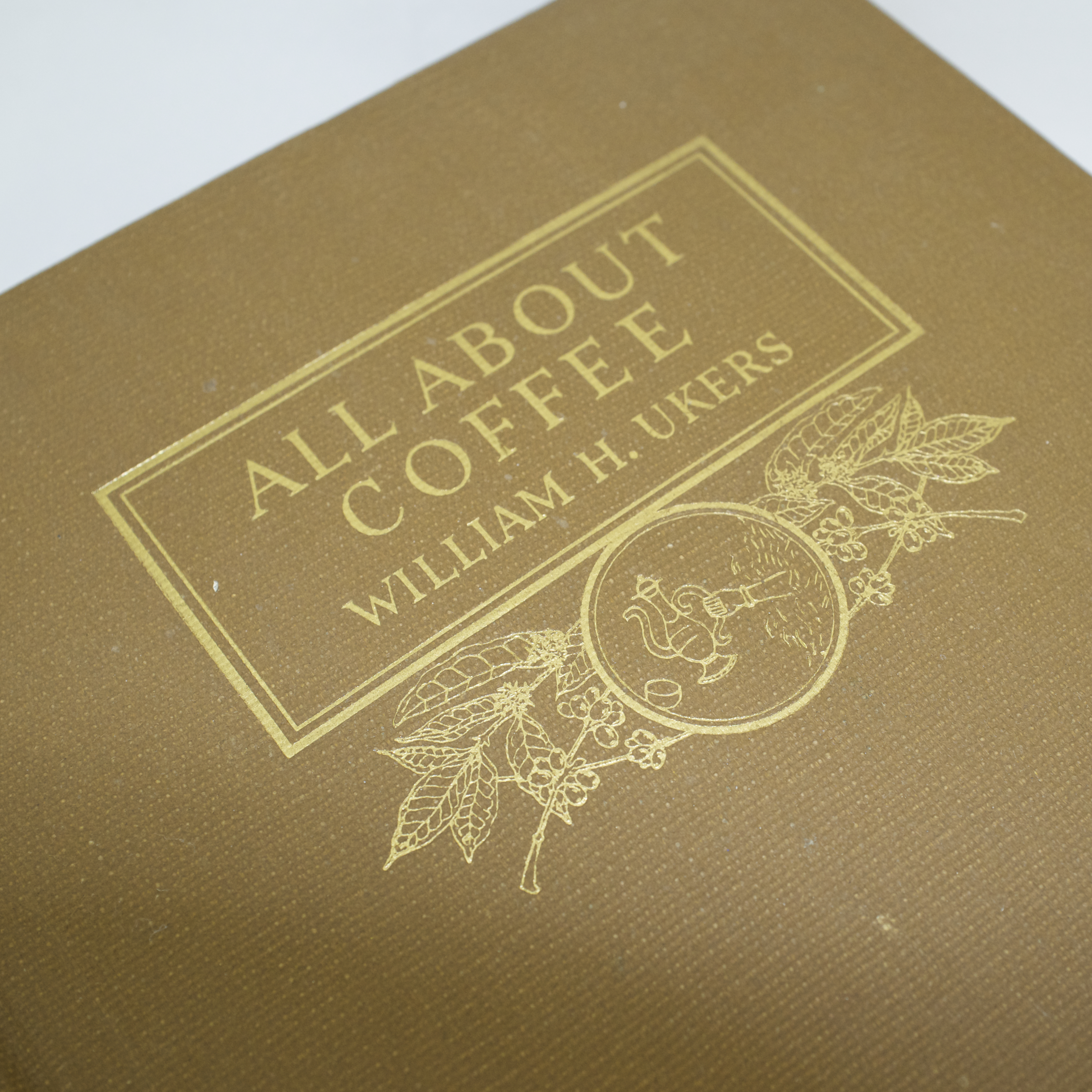
All About Coffee (1935 Second Edition) by William H. Ukers
Coffee Merchandising (First Edition) by William H. Ukers
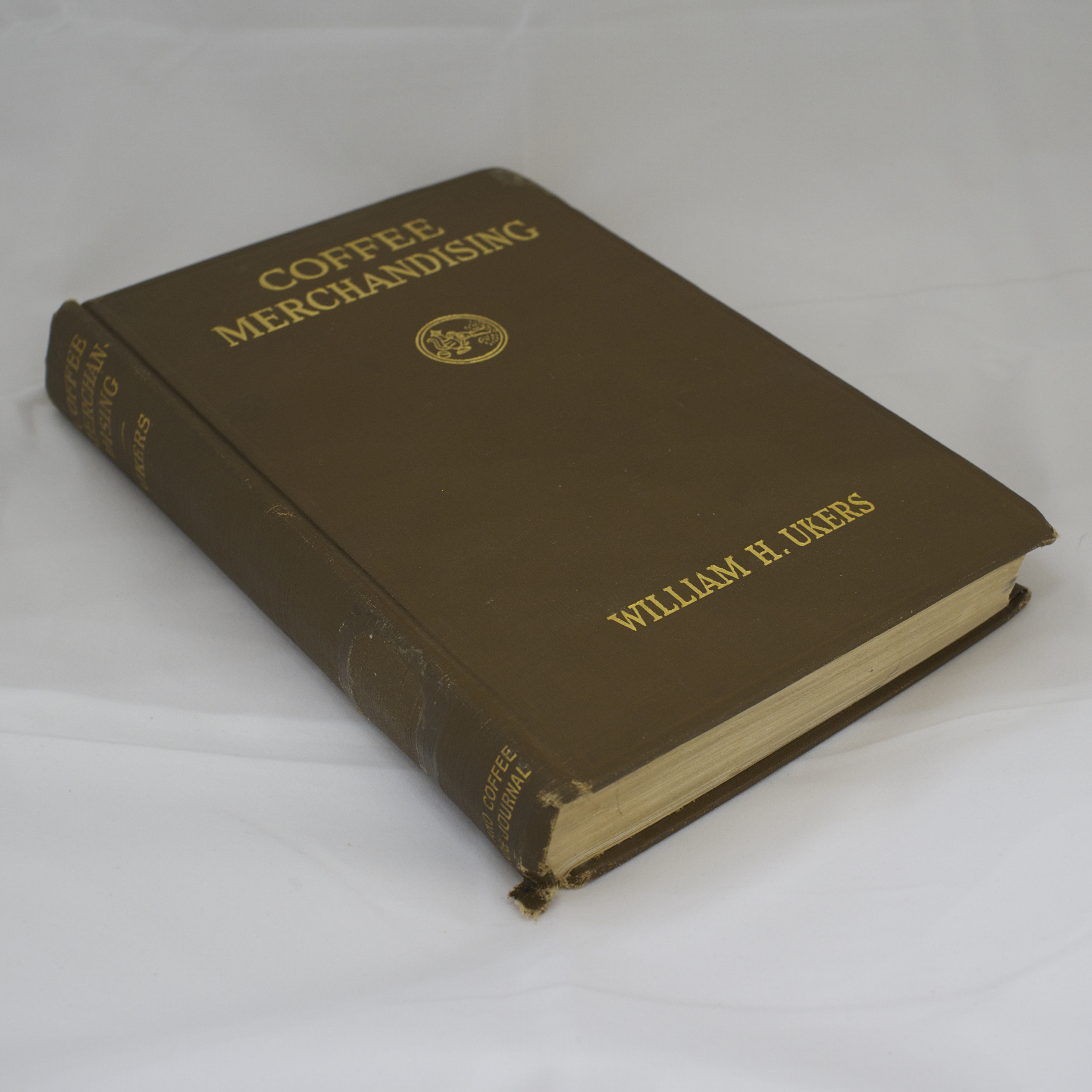
H and H High Grade one-pound vacuum tin
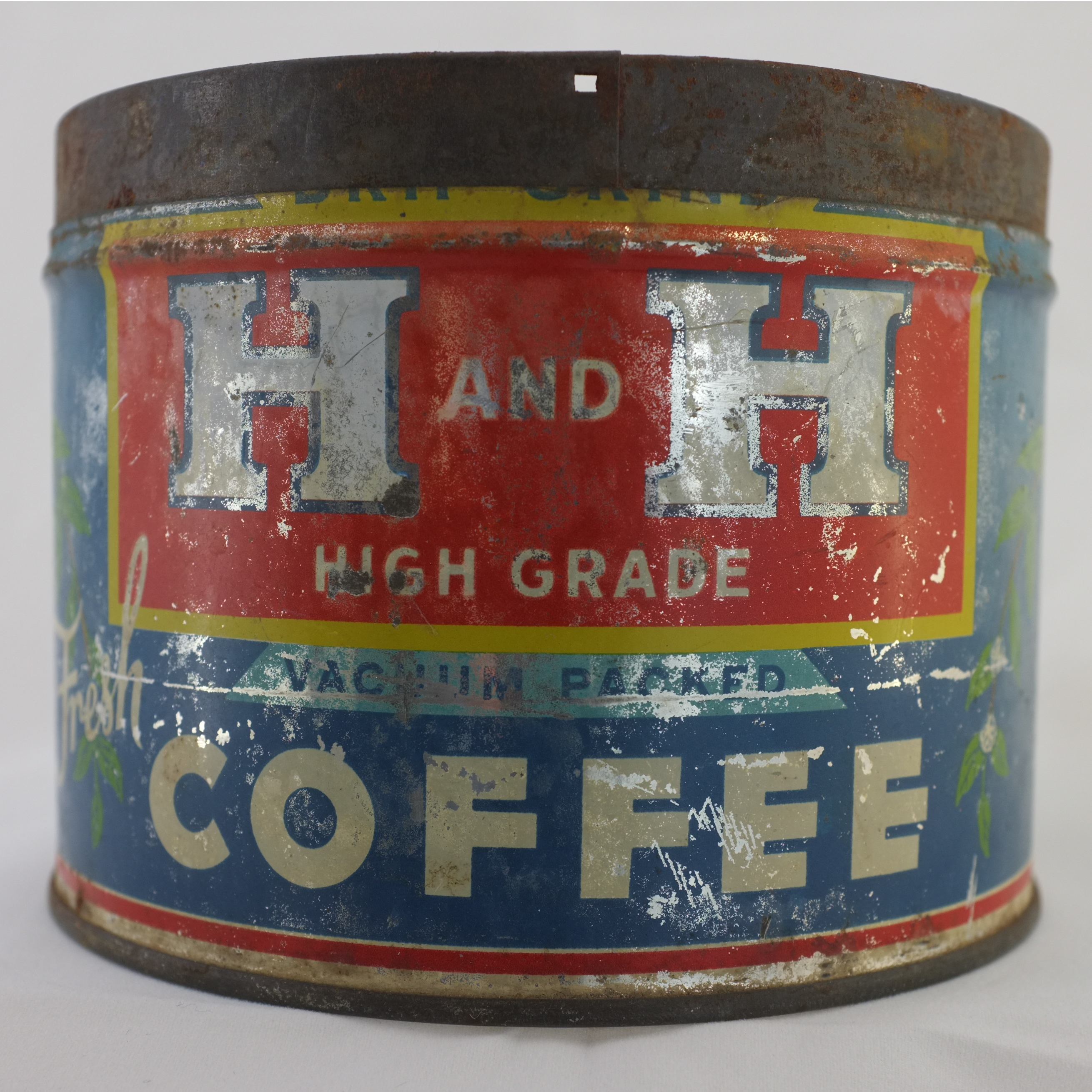
Alamo Cook Book (Hoffmann-Hayman)
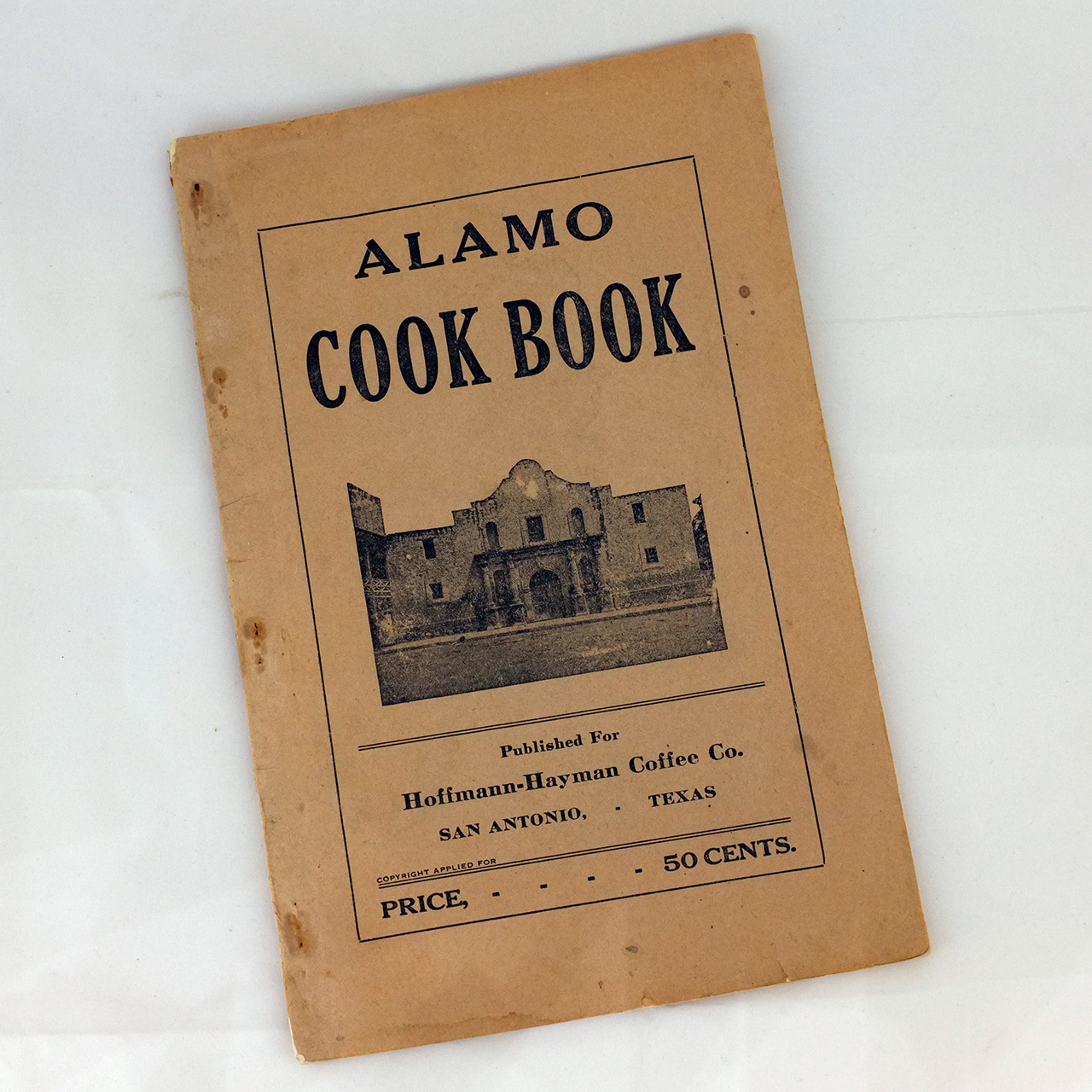
Master Chef "We Serve" hand-painted sign
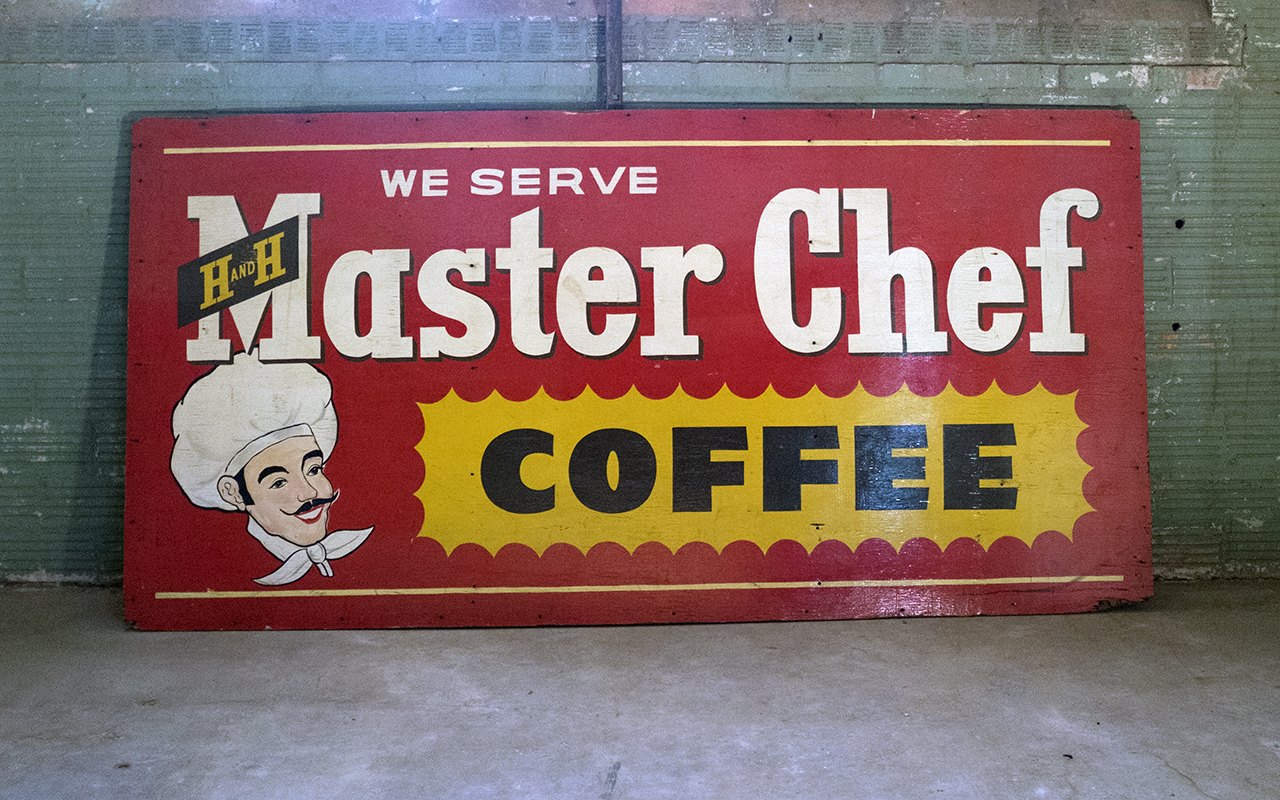
Third Crystalvac jar — clear, bail, base 5

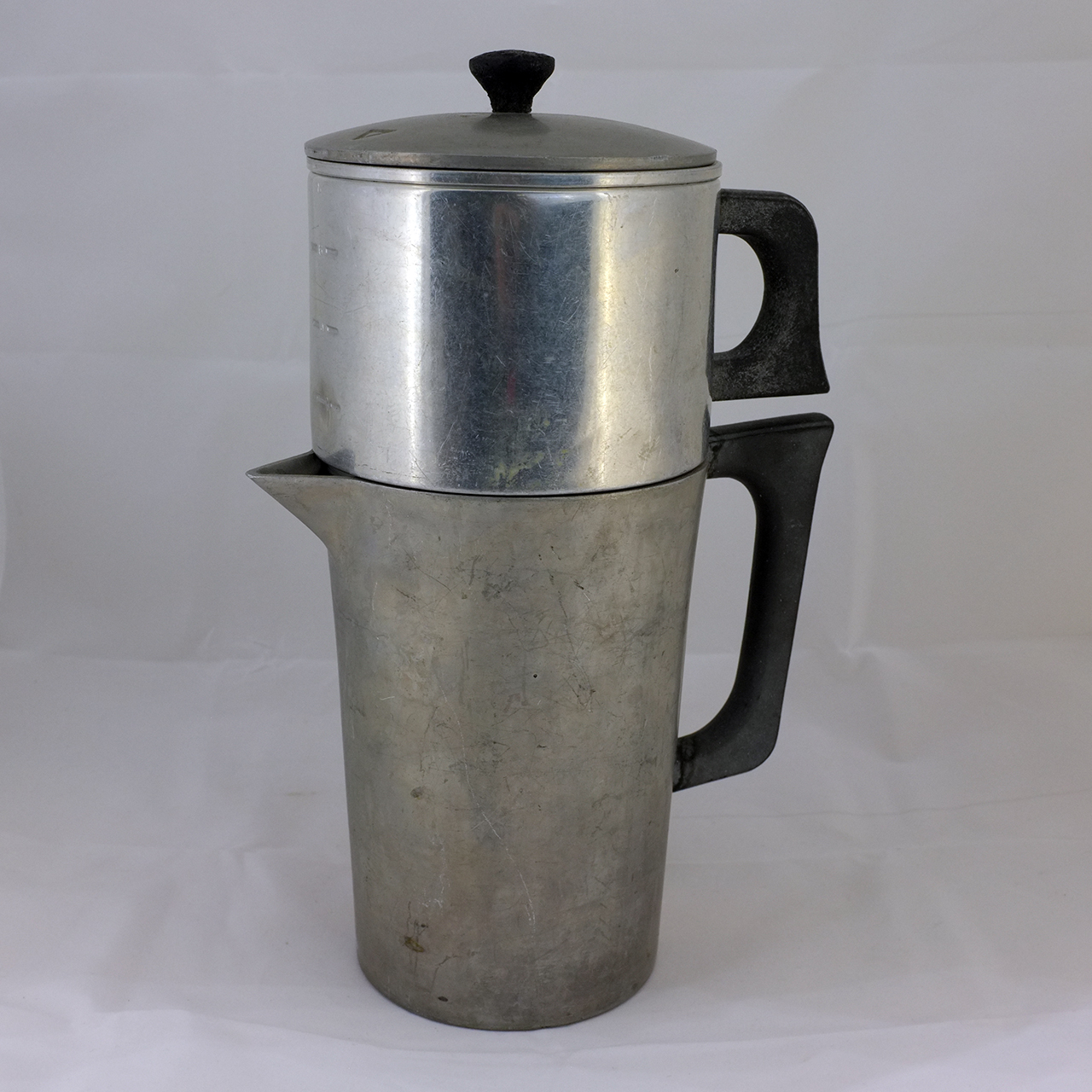
Household Institute three-piece percolator
Wait! Spices?
Three Tins and a Crystalvac jar, Comfort
Broncho Coffee & American Pickers
Purchased Mike Wolfe's Art of the Pick photo book and the signed 12×18 Broncho Coffee print from Antique Archaeology / Art of the Pick—the American Pickers retail channel.
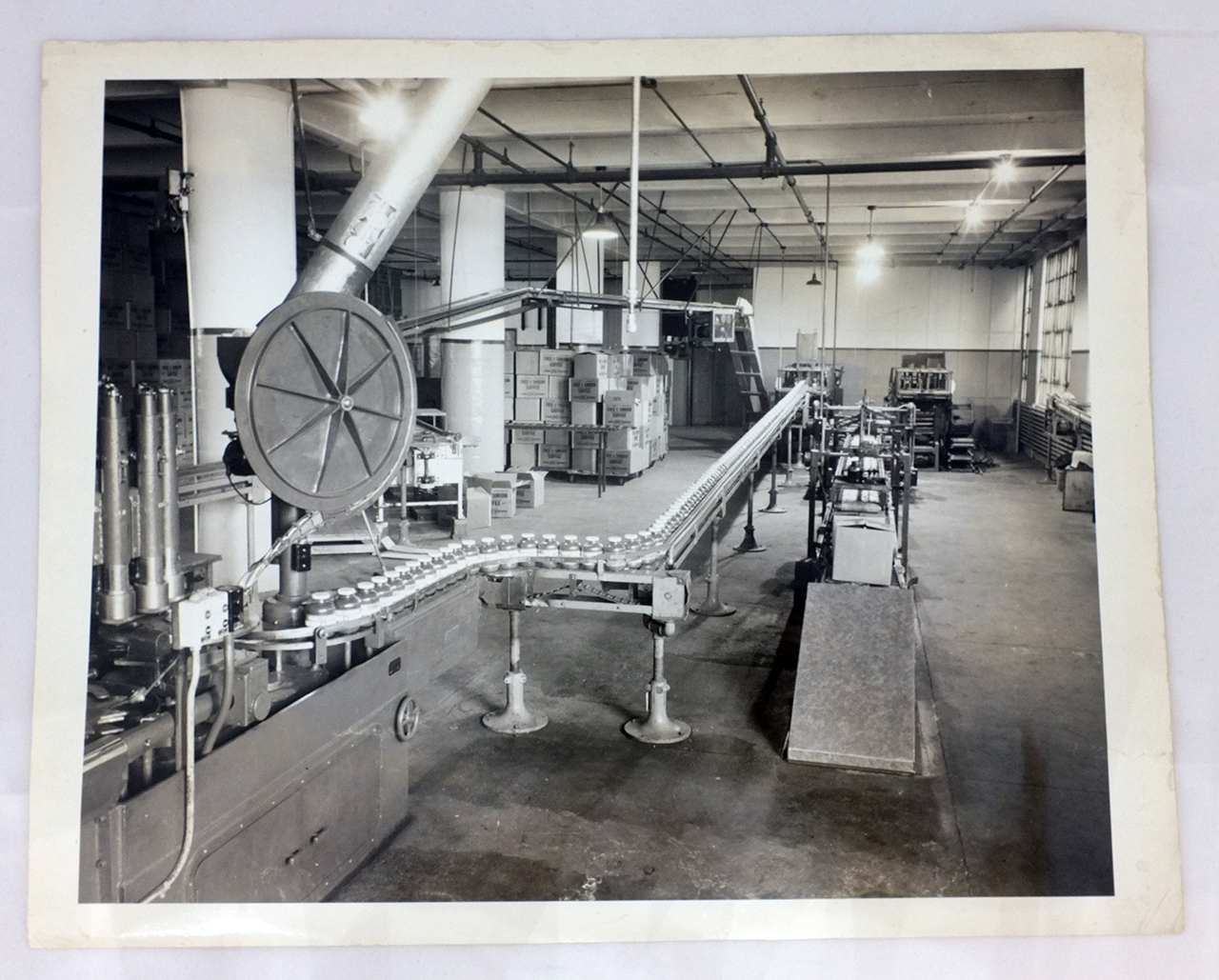
Coffee factory interior — Maxwell House cases and jar line
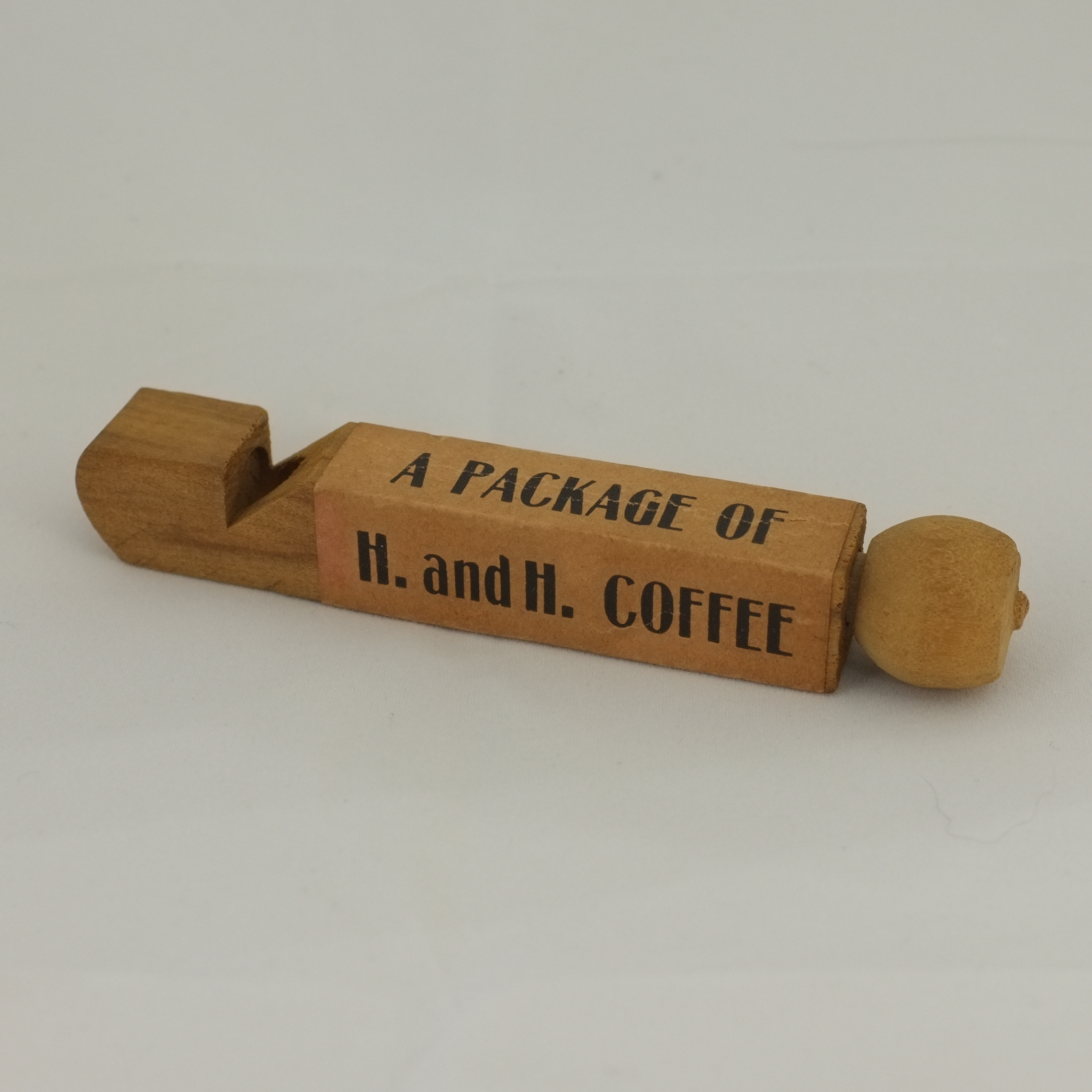
A Coffee Whistle?
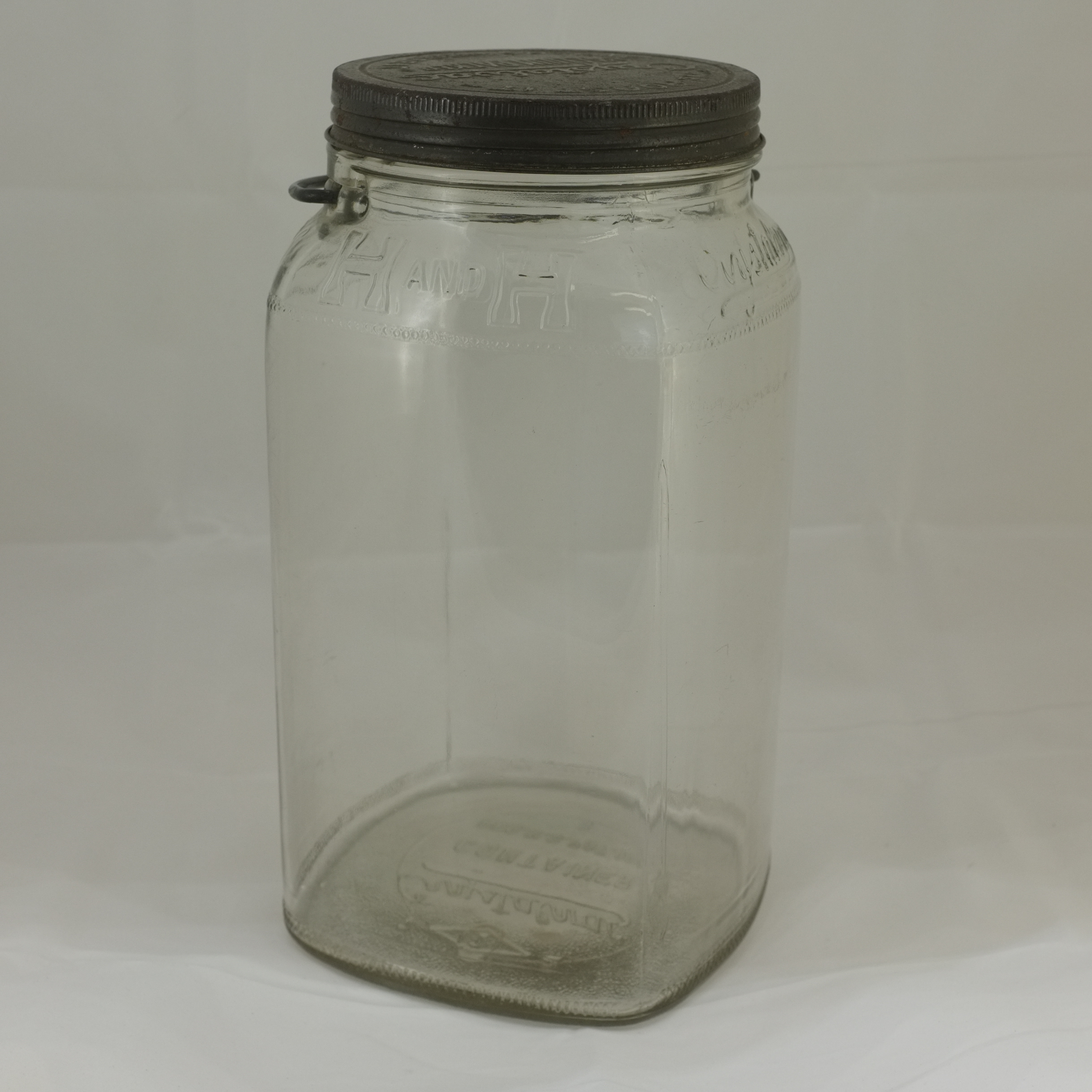
A Crystalvac Jar from H and H Coffee
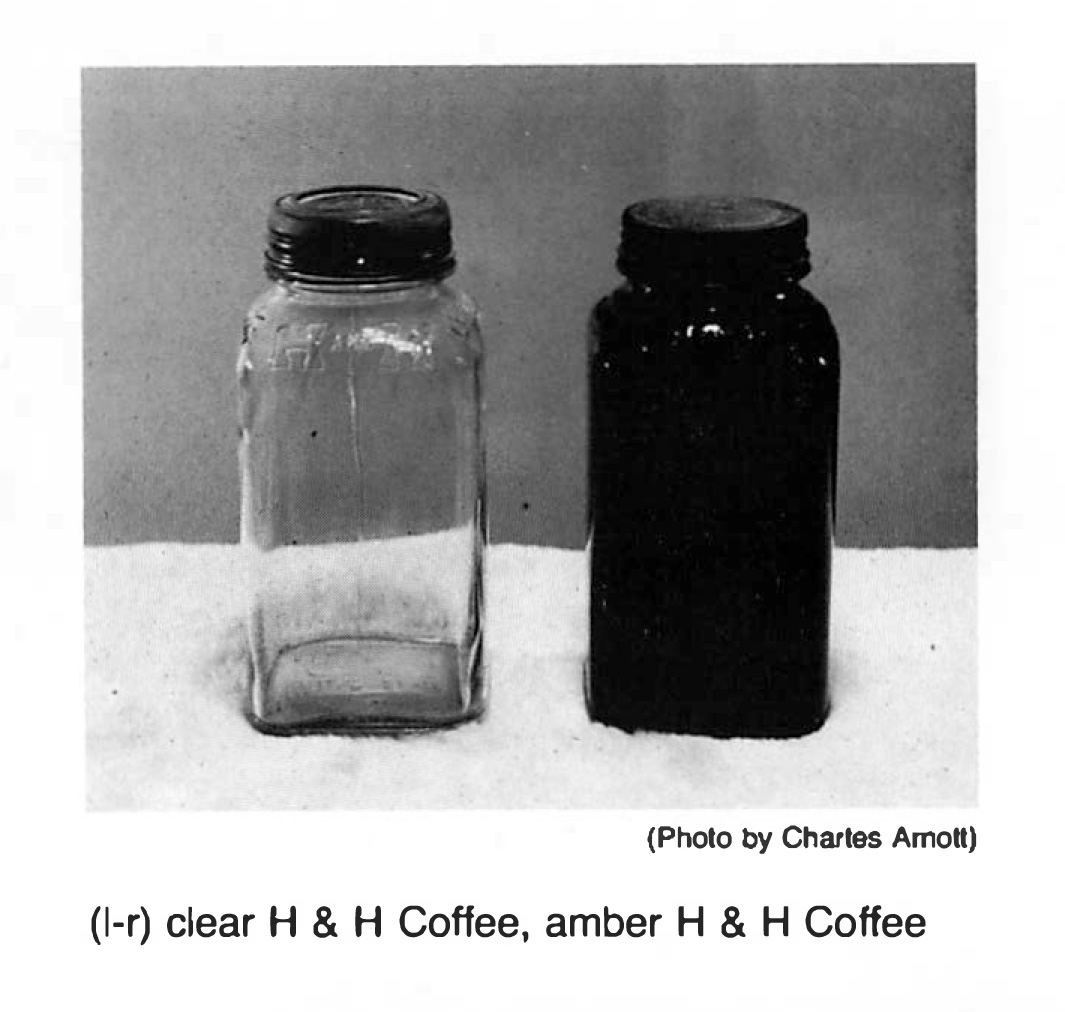
A Visit to Three Rivers
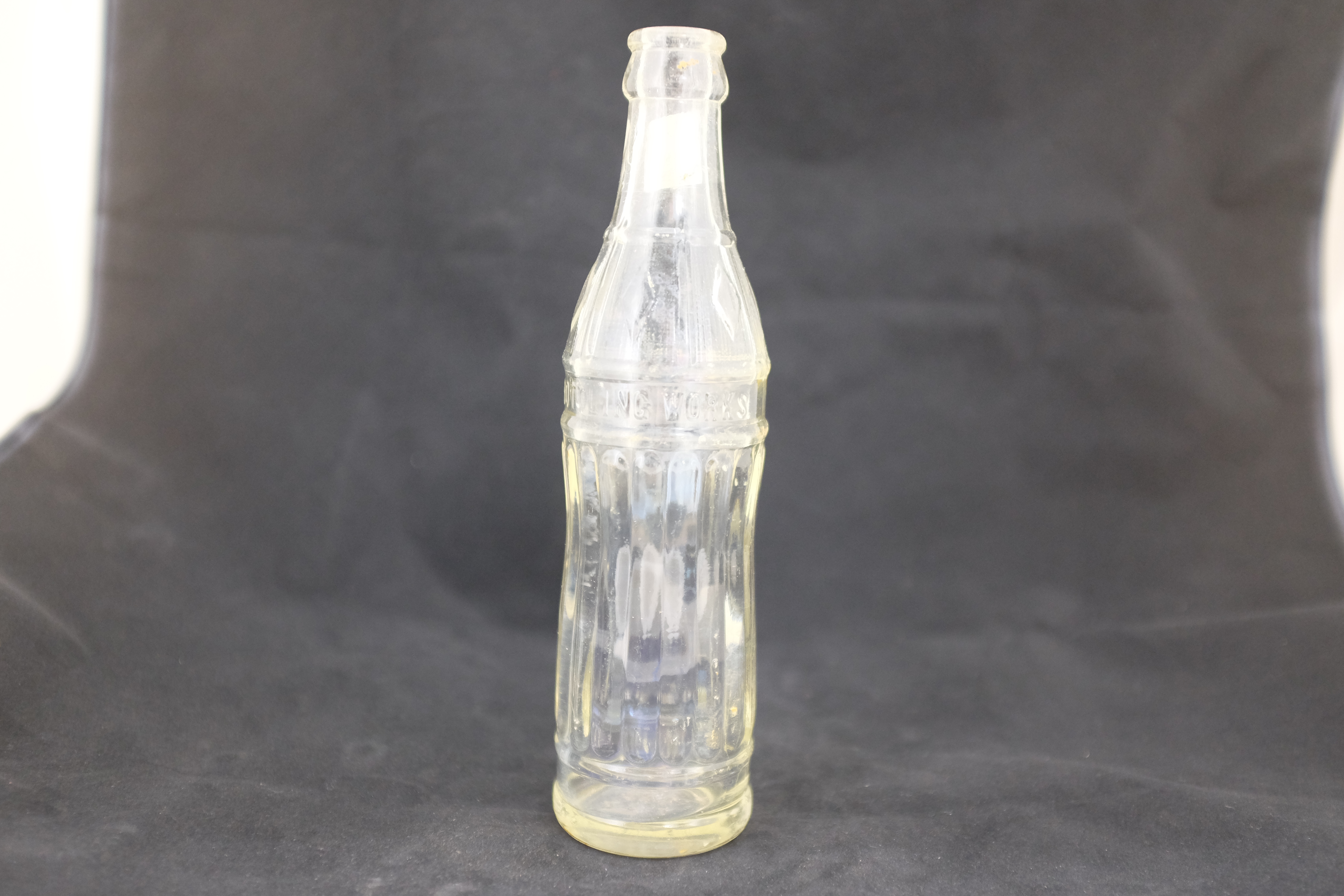
Trinity Bottling Works crown-top bottle (Three Rivers Glass)
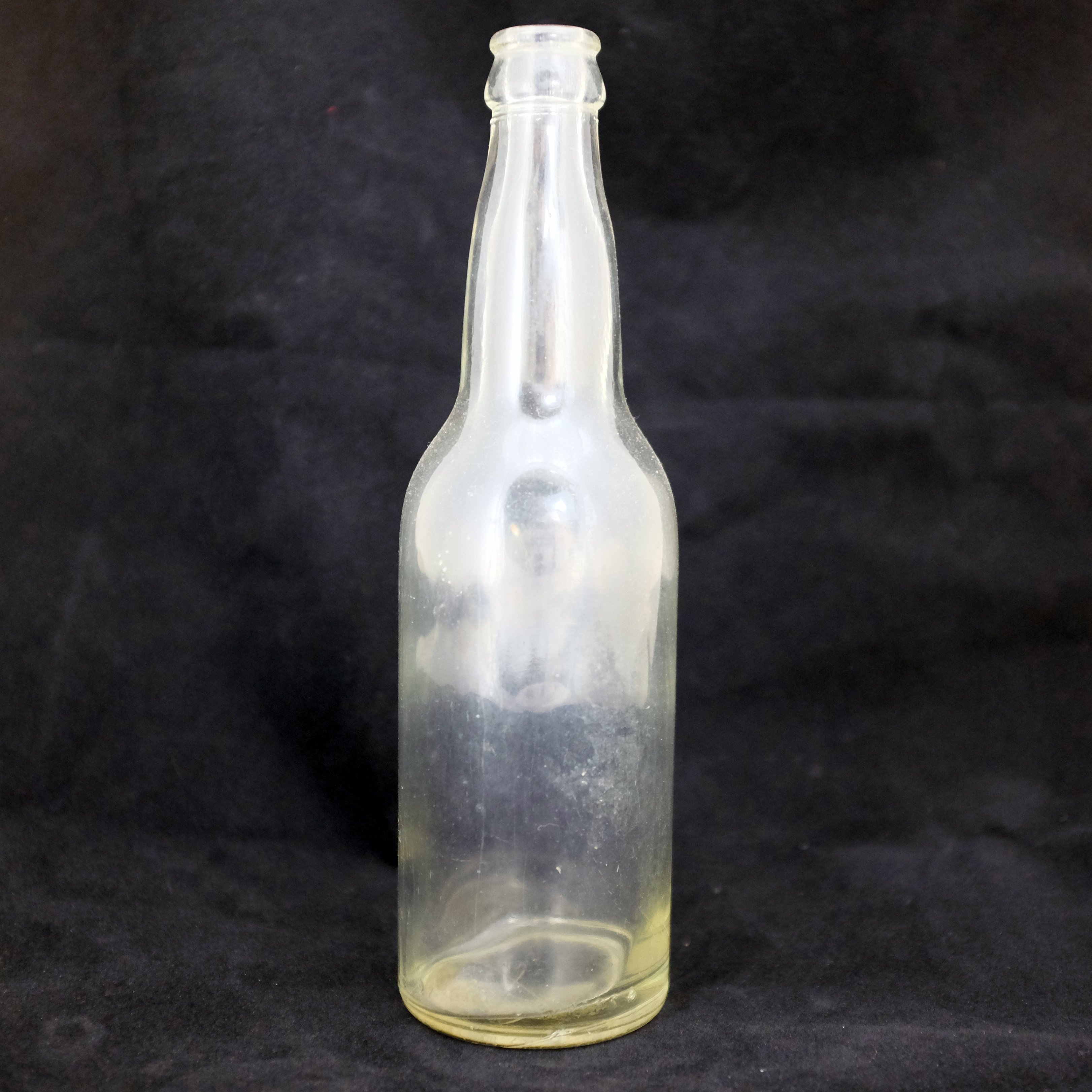
Three Rivers clear crown-top beer bottle (Shiner listing)
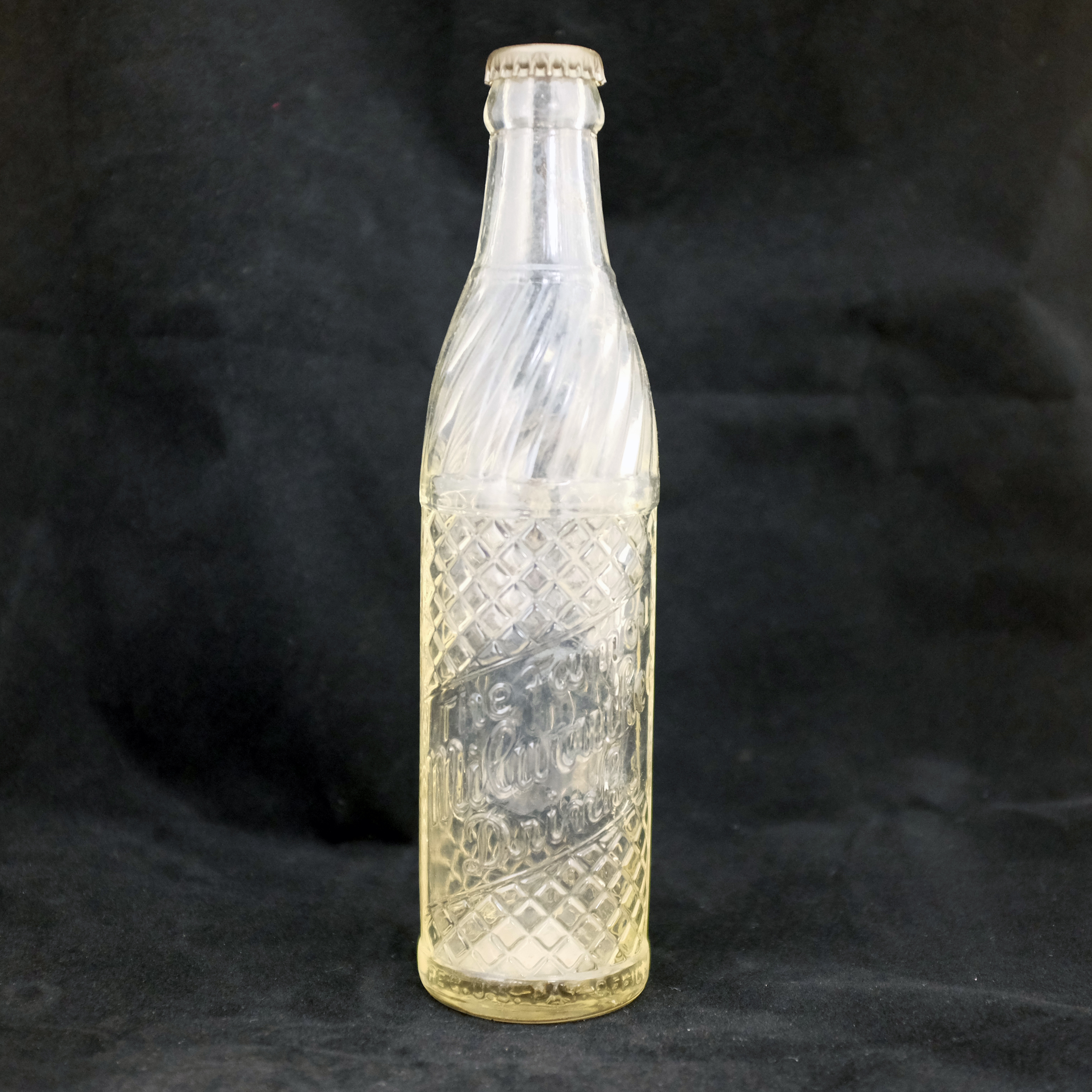
Milwaukee Drinks art-deco soda bottle (Three Rivers Glass)
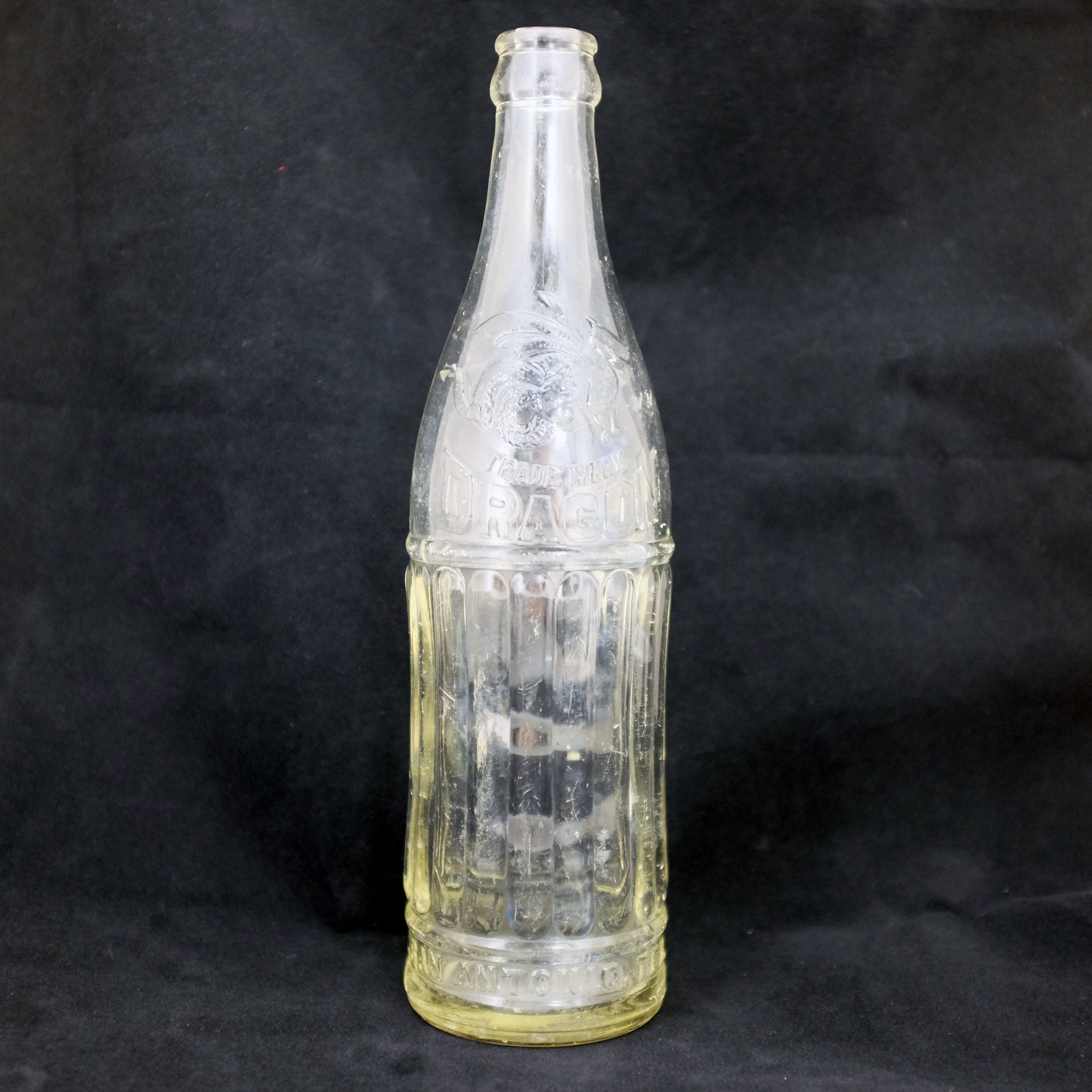
Dragon soda bottle (San Antonio; Three Rivers Glass)
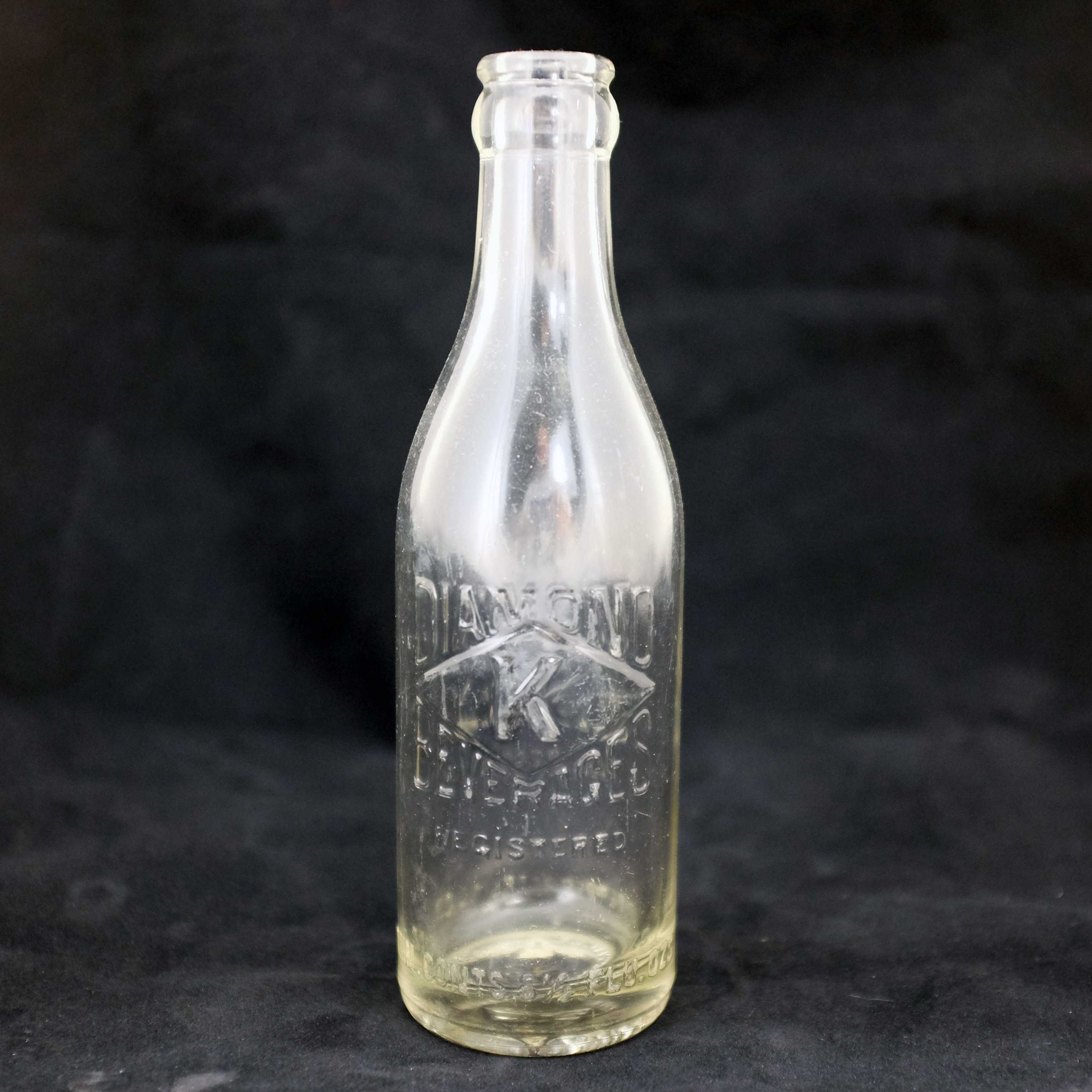
Three Rivers Diamond K soda bottle (Kingsville, Texas)
City Bottling Works deco soda bottle (Three Rivers Glass)
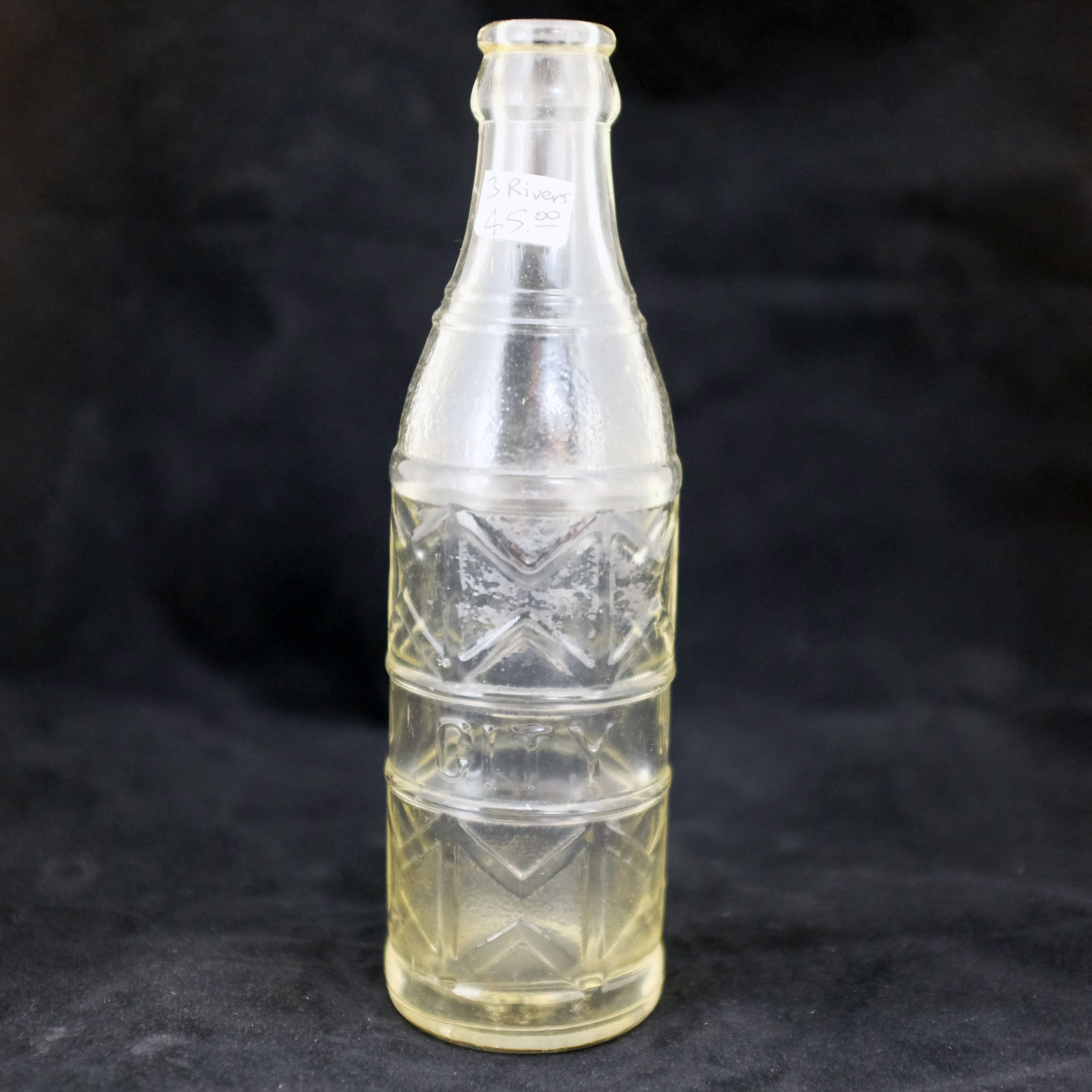
Glass Bottles from Three Rivers
East-wing shed — Master Chef plywood and shipping-crate boards in the walls
Exploring the metal-roofed shed attached to the east wing of the plant in May 2014, we found interior partition walls built from salvaged sheet goods and crate stock. One section still carries a large piece of printed plywood for Master Chef — small SERVING copy above two red H forms flanking AND, then MASTER CHEF and COFFEE in heavy black caps — fastened in place upside down beneath dark joists so the lettering reads inverted against the grain. In another section, a shipping crate had been broken down and its boards nailed up as sheathing; stencil lines remain legible for HOFFMANN & HAYMAN (the first line breaks at the edge of the board), 601 DELAWARE, SAN ANTONIO, VIA WESTERN, routing inbound freight to the Delaware Street works. A third scrap preserves unrelated markings — NEW MEXICO, SAFARI, 1953, ALB. MENGER — mixed into the same improvised wall. That fragment adds a new mystery: what was shipped from New Mexico in 1953 in a crate carrying those stencils before it was broken down for sheathing — the board records a year and a place, not the contents, and Safari / Alb. Menger do not yet resolve to anything in our notes. Later frames show the printed Master Chef panel removed and laid flat so the full face reads without the timber framing.
Our First Item for the Collection
Related: Facts · Research · History · Mystery · Accessions